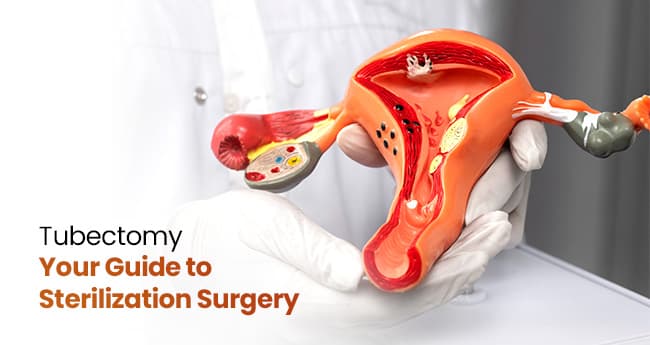
Tubectomy, also known as tubal ligation, is a surgical procedure performed to achieve permanent contraception in women. During this procedure, the fallopian tubes, which carry eggs from the ovaries to the uterus, are blocked or sealed to prevent sperm from reaching the egg and fertilisation from occurring. This renders pregnancy highly unlikely.
Understanding the intricacies of tubectomy surgery is very important for those considering this permanent method of birth control.
What is a Tubectomy?
Many of us are still trying to understand the meaning of tubectomy in its entirety. Tubectomy, commonly referred to as tubal ligation, is a form of female sterilisation aimed at providing a permanent solution to birth control.
As mentioned before, the procedure involves disrupting the pathway of the fallopian tubes to prevent eggs from travelling from the ovaries to the uterus.
Why is a Tubectomy Performed?
Tubectomy is a safe and effective option for women who are certain they do not want to become pregnant in the future. Here are some common reasons why women choose tubectomy:
- They do not desire any more children.
- They have medical conditions that make pregnancy high-risk.
- There are genetic concerns they wish to avoid passing on to their offspring.
Types of Tubectomy Procedures
There are two main types of tubectomy procedures:
- Laparoscopic Tubectomy: This minimally invasive procedure is the most common type of tubectomy. A laparoscope, a thin, lighted instrument, is inserted through a small incision in the abdomen. The surgeon views the internal organs on a monitor and uses small instruments inserted through other incisions to block or seal the fallopian tubes.
- Minilaparotomy Tubectomy: This procedure involves a slightly larger incision in the lower abdomen to access the fallopian tubes for blocking or sealing. It is less common than a laparoscopic tubectomy.
Who Performs Tubectomy Surgery?
Tubectomy surgery is typically performed by an obstetrician-gynaecologist (OB-GYN), a physician specialising in women's reproductive health.
Important Considerations Before Undergoing Tubectomy Surgery
A tubectomy is a permanent procedure. It is crucial to understand the implications before making a decision. Here are some key considerations:
- Finality: Tubectomy is a permanent form of birth control. While reversal procedures exist, they are complex, expensive, and not always successful.
- Alternatives: Discuss other birth control options with your doctor, including reversible methods like hormonal contraceptives or intrauterine devices (IUDs).
- Future Desires: Consider the possibility of wanting children in the future. Discuss adoption or fostering if desired.
- Medical Conditions: Inform your doctor of any pre-existing medical conditions that could impact surgery or recovery.
Procedures During Tubectomy Surgery
The specific steps involved in tubectomy surgery will vary depending on the chosen method (laparoscopic or minilaparotomy). However, some general steps apply:
- Preoperative Preparation: This includes blood tests, imaging studies, and discussing anaesthesia options with your doctor.
- Anaesthesia: You will receive either general anaesthesia (putting you to sleep) or local anaesthesia with sedation.
- Procedure: In laparoscopy, a laparoscope is inserted, and the fallopian tubes are blocked or sealed using various techniques like clipping, banding, or cauterization. In minilaparotomy, a larger incision is used to access the fallopian tubes for similar blocking or sealing procedures.
- Closure: Incisions are closed with sutures or staples.
Post-surgery Care and Recovery
Following tubectomy surgery, you can expect:
- Hospital Stay: You may stay in the hospital for a few hours or overnight, depending on the procedure and your recovery.
- Pain Management: Your doctor will prescribe pain medication to manage discomfort.
- Recovery at Home: Expect some soreness and cramping for a few days. Rest is advised, and strenuous activity should be avoided for a week or two.
- Follow-up Appointments: Schedule follow-up appointments with your doctor to monitor healing and discuss any concerns.
Side Effects of Tubectomy
Tubectomy, also known as tubal ligation or sterilisation, is a permanent method of birth control for women. During this procedure, the fallopian tubes, which carry eggs from the ovaries to the uterus, are blocked or sealed to prevent sperm from reaching the egg and fertilisation from occurring. This renders pregnancy highly unlikely.
A tubectomy is a safe and effective procedure, but like any surgery, it does carry some potential side effects. Here's a breakdown of the most common ones:
- Infection: As with any surgery, there's a slight risk of infection at the incision site. This can be minimised by following the proper post-surgical care instructions provided by your doctor.
- Bleeding: Some vaginal bleeding is normal after tubectomy surgery. However, heavy or prolonged bleeding should be reported to your doctor.
- Pelvic pain: You may experience some cramping or pelvic pain after surgery. This is usually temporary and can be managed with pain medication.
- Damage to nearby organs: There's a very small risk of damage to nearby organs, such as the intestines or bladder, during surgery.
- Ectopic pregnancy: An ectopic pregnancy is a rare but serious complication that can occur after any type of permanent birth control surgery, including tubectomy. In an ectopic pregnancy, the fertilised egg implants outside the uterus, typically in the fallopian tube. This is a medical emergency and requires prompt treatment.
Important to Note:
- The chance of experiencing any of these side effects is relatively low.
- If you experience any severe or persistent side effects after tubectomy surgery, be sure to contact your doctor right away.
Additional Considerations
- A tubectomy is a permanent procedure. While reversal procedures do exist, they are complex, expensive, and not always successful.
- Discuss all your birth control options with your doctor, including reversible methods like hormonal contraceptives or intrauterine devices (IUDs).
- If you are considering a tubectomy, it is important to weigh the benefits and risks carefully and make sure it is the right decision for you.
Difference Between Tubectomy and Vasectomy
It's important to distinguish tubectomy from vasectomy, a permanent birth control procedure for men. Vasectomy involves cutting or sealing the vas deferens, the tubes that carry sperm from the testicles to the urethra. The primary difference lies in the gender and the specific reproductive pathways that are altered.
Both procedures are highly effective in preventing pregnancy, but tubectomy is performed on women and vasectomy on men.
Tubectomy: Weighing the Benefits and Your Well-Being
Understanding the potential side effects of tubectomy is crucial before making a decision about this permanent birth control method. While the risks are relatively low, it's important to be informed and discuss any concerns with your doctor. Remember, a tubectomy is a powerful choice for your future family planning. By carefully considering the benefits, risks, and alternative options, you can confidently choose the path that best aligns with your health and well-being.
Ready to Discuss Your Birth Control Options?
For a personalised consultation about tubectomy or other birth control methods, contact the esteemed gynaecology department at Amrita Hospital, Kochi. Our board-certified OB-GYNs offer comprehensive consultations and compassionate care to help you make informed decisions about your reproductive health.
Schedule an appointment today and take charge of your future!
FAQ’s
How long does a tubectomy surgery take?
The tubectomy surgery takes between thirty and sixty minutes. Its accurate duration depends on the specific method used and individual patient circumstances. For instance, a laparoscopic tubectomy usually takes around 30 to 45 minutes, while a mini-laparotomy can take 30 to 60 minutes.
How soon can I resume normal activities after tubectomy surgery?
Most women can resume normal activities within a week after tubectomy surgery. However, it’s recommended to avoid strenuous activities, heavy lifting, and vigorous exercise for a few weeks to allow for complete healing. Always follow your doctor's specific post-operative care instructions.
Will I be experiencing pain after surgery?
Some pain and discomfort are common after tubectomy surgery, particularly around the incision site. This pain is usually mild to moderate and can be managed with over-the-counter pain relievers or prescribed medications. The discomfort typically subsides within a few days.
Can I get pregnant after a tubectomy?
Pregnancy after a tubectomy is extremely rare due to the high effectiveness of the procedure. However, in very rare cases, if the fallopian tubes grow back together, pregnancy can occur. An ectopic pregnancy, where the fertilised egg implants outside the uterus, is also a rare risk if the procedure fails.
Do you still have periods after a tubectomy?
Yes, you will continue to have periods after a tubectomy. The procedure does not affect the menstrual cycle; it only prevents pregnancy by blocking the fallopian tubes. Your menstrual cycle will continue as usual.
Does tubectomy cause weight gain?
No, tubectomy does not cause weight gain. The procedure involves only the fallopian tubes and does not interfere with hormonal balance or metabolism, which are factors that could affect weight.
Are there any side effects of tubectomy?
While tubectomy is generally safe, it can have some side effects and complications, including:
- Pain and discomfort around the incision site
- Infection at the incision site
- Internal or external bleeding
- Rarely, ectopic pregnancy if the procedure fails
- Brings about changes in menstrual cycles, but tubectomy does not stop periods.
- Potential risks associated with the use of anaesthesia
Is tubectomy 100% safe?
Tubectomy is considered very safe, but like any surgical procedure, it is not without risks. Potential complications, though rare, can include infection, bleeding, adverse reactions to anaesthesia, and ectopic pregnancy. It is important to discuss all potential risks and benefits with your healthcare provider before undergoing the procedure.
Related Blogs

Abdominoplasty
Learn more
Blood
Learn more
Thyroid
Learn more
Autism

Causes of Infertility
Learn more
Kawasaki Disease? A Guide to Diagnosis and Treatment

Multisystem Inflammatory Syndrome In Children