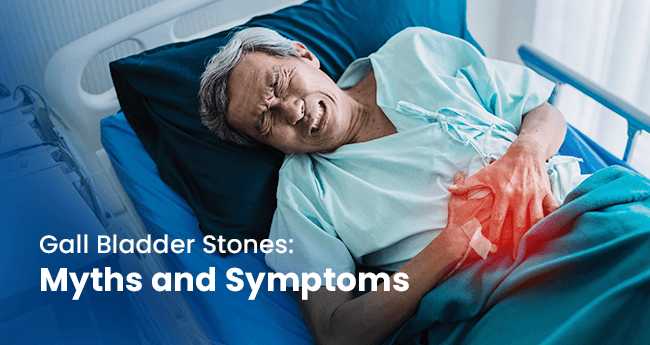
Navigating your health can be challenging, especially with conditions like gallbladder stones. Affecting millions worldwide, gallstones can cause symptoms ranging from mild discomfort to severe pain and complications.
This blog provides clear, detailed, and accessible information, whether you are simply curious, experiencing symptoms, or have received a diagnosis. We will cover the basics of gallstones, including their formation and types, as well as risk factors, symptoms, and diagnostic methods, to help you understand when medical treatment and a cure for gallbladder stones are necessary.
Signs and Symptoms of Gallbladder Stones
Gallbladder stones can manifest with a variety of symptoms, ranging from mild unpleasantness to severe ailments. Recognising the symptoms is very important for a timely diagnosis and appropriate medical intervention. Let us look at some of the common signs and symptoms of gallbladder stones:
Pain
People with gallstones often report experiencing sudden and intensifying pain in the upper right abdomen or the centre of the abdomen, just below the breastbone. This pain is known as biliary colic. Typically, pain occurs approximately 30 minutes after consuming fatty food as a nagging pain on the upper part of your tummy. Pain usually increases in severity over the next hour and may last for up to 6 hours.
Nausea and Vomiting
Many patients with gallstones experience nausea and may vomit as a result of the pain and discomfort.
Pain between Shoulder Blades
Pain tends to radiate to the back or between the shoulder blades.
Indigestion and Heartburn
Some people may often mistake gallstone pain for heartburn or indigestion, as the symptoms are almost identical.
Bloating and Gas
Feeling bloated or gassy after meals, especially high-fat meals, can be a sign of gallbladder stones.
Jaundice
In severe cases, gallstones can block the bile duct, leading to jaundice, which is characterised by yellowing of the skin and eyes.
Fever and Chills
If the gallbladder becomes inflamed or infected (cholecystitis), fever and chills may occur.
Changes in Stool Colour
Gallstones can affect bile flow if they slip into the bile duct and block it, leading to changes in stool colour, which may then become pale or clay-coloured stools.
It is very important to note that not everyone with gallstones experiences symptoms. Medical tests for various other conditions may incidentally discover silent gallstones.
Understanding the symptoms of gallbladder stones empowers you to recognise the potential issues early and find the best treatment for gallbladder stones to manage your health effectively.
Debunking Misconceptions About Gallbladder Stone Treatment
Many 'natural remedies' and 'alternative therapies' for treating gallstones are frequently available on the internet. However, there is little scientific evidence to support these methods, so it is best to avoid them. Let's address some of the most common myths and misconceptions around gallbladder stones and their treatment:
Myth 1: A Gallbladder Flush Can Effectively Remove Gallstones
Reality: The concept of a "gallbladder flush" typically involves consuming a mixture of olive oil, lemon juice, and other substances to "flush" out gallstones. However, there is no scientific evidence supporting the effectiveness of these flushes. They can be potentially harmful, causing severe gastrointestinal distress, dehydration, and complications such as pancreatitis.
The substances expelled during a flush are usually not gallstones but rather a mixture of the ingested oil, juice, and digestive products.
Myth 2. Drinking More Apple Juice for Gallstones
Reality: While staying hydrated is essential for overall health, there is no conclusive evidence that drinking apple juice or other liquids can dissolve gallstones. Some believe that pectin in apple juice can soften gallstones, but scientific research has not confirmed this. Proper hydration supports liver function and bile production, but it is not a cure or preventative measure for gallstones.
Myth 3. Dandelion Supplements or Tea Can Cure Gallstones
Reality: Dandelion is often touted as a natural remedy for gallstones due to its potential to stimulate bile production. However, there is insufficient scientific evidence to support the claim that dandelion can effectively treat or dissolve gallstones. While dandelion may have benefits for liver health, it should not be relied upon as a primary gallbladder stone treatment without consulting a healthcare provider.
Myth 4. Removing the Gallbladder Is the Ultimate Solution and Is Required for Everyone With Gall Stone
Reality: While cholecystectomy is a common and very effective treatment for symptomatic gallstones, it is not always necessary. Detecting gallstones during an investigation of unrelated complaints may not necessitate gallbladder removal. The risk of asymptomatic gallstones causing problems in the future is around 2% per year. This means that if a routine USS detects a gallstone in you, the risk of causing biliary colic (or pain) over 20 years is 40%. It's important to consult with a healthcare professional to determine the best treatment plan based on individual circumstances.
Myth 5: Stones Will Pass through Urine
Reality: Gallstones do not pass through urine. These hardened deposits form within the gallbladder or bile ducts due to crystallised substances like cholesterol or bilirubin. Treating gallstones typically requires medical intervention to dissolve or remove them safely.
Myth 6: Gallstones Often Produce Abdominal Pain
Reality: While gallstones can indeed lead to intense abdominal pain, ranging from sharp to dull and persistent, not everyone with gallstones experiences such discomfort. Some individuals may have silent gallstones, lacking noticeable symptoms.
Myth 7: Turning to a Vegetarian or Vegan Diet
Reality: Dietary adjustments, including adopting a vegetarian or vegan diet, are beneficial for overall health but do not dissolve existing gallstones. While a balanced diet supports gallbladder health, it does not eliminate gallstones once they have formed.
Myth 8: Medicines Are Available to Dissolve Gallstones
Reality: Medications such as ursodeoxycholic acid may be prescribed to dissolve small pure cholesterol gallstones, which are rare. However, they are not suitable for all types of gallstones and require close medical supervision to monitor their effectiveness and potential side effects.
Myth 9: GallStones Can Produce Gallbladder Cancer
Reality: Gallstones are not commonly diagnosed as cancer. However, interestingly, 90% of gall bladder cancers will contain stones. However, it is not advisable to remove the gallbladder to prevent the development of cancer.
Myth 10: Removal of Gallbladder Leads to Deficiency of Digestion
Reality: Gallbladder does not produce bile. The liver produces bile, partially storing it in the gallbladder. The gall bladder solely serves to concentrate bile and transport it to the intestine upon the consumption of fatty food. Even if the gallbladder is removed, the liver will produce and send the bile to the intestine. Therefore, there will be no digestive deficiency even if the gallbladder is removed. Furthermore, if gallstones alone are removed and the gallbladder is left behind, stones will recur in the gallbladder. This is the reason for removing the entire gallbladder.
When to Consult a Doctor?
Be responsible for your body and health by making an appointment with the doctor if you experience the symptoms mentioned above.
If you are experiencing the below-mentioned symptoms, seek immediate medical assistance.
- An intense abdominal pain that makes it difficult to sit still or find a comfortable position.
- The skin has been yellowish lately, and the eyes are whiteish (jaundice).
- Extreme feverishness and chills.
Understanding the Causes of Gallstones
Gallstones are hardened deposits that form in the gallbladder, a small organ beneath the liver. The development of gallstones can be attributed to several factors, including the composition of bile and digestive fluid stored in the gallbladder. Let's look at some of the primary factors:
Imbalance in Bile Components
Excess Cholesterol
Usually, bile contains enough chemicals to dissolve cholesterol excreted by the liver. However, if the liver excretes more cholesterol than the bile can dissolve, the excess cholesterol may form crystals and eventually result in stones.
Excess Bilirubin
Bilirubin is a chemical produced during the normal breakdown of red blood cells. Certain conditions, such as liver cirrhosis, biliary tract infections, and certain blood disorders, cause the liver to produce too much bilirubin, which contributes to gallstone formation.
Bile Stasis
If the gallbladder does not empty efficiently or frequently enough, the bile can become overly concentrated, resulting in gallstone formation.
Excessive Bile Salt
Having uncommonly high levels of bile salts can also lead to the formation of gallstones.
Risk Factors of Gallbladder Stones
There are several factors that contribute to the development of gallstones:
Obesity
Excess body weight is a significant risk factor because it can increase cholesterol levels in the bile and reduce gallbladder motility.
Diet
High-fat, high-cholesterol, and low-fibre diets can contribute to the formation of gallstones.
Age and Gender
People over the age of 40 are at a higher risk, and women are more likely to form gallstones than men due to the effects of oestrogen, which can increase cholesterol levels in the bile and decrease gallbladder movement.
Pregnancy
Pregnancy increases the risk of hormonal changes that affect bile composition and gallbladder motility.
Rapid Weight Loss
Losing weight quickly can cause the liver to secrete extra cholesterol into bile, resulting in gallstones.
Certain Medical Conditions
Various health conditions, such as diabetes, Crohn's disease, and metabolic syndrome, increase the risk of gallstones.
Family History
If you have a family history of gallstones, you are more likely to develop them.
Medications
Studies have found that some medications, including hormone replacement therapy and some cholesterol-lowering drugs, increase the risk of gallstones.
Ethnicity
Certain ethnic groups, including Native Americans and Mexican Americans, have higher rates of gallstone disease.
Understanding these causes and risk factors can help in the prevention and early detection of gallstones, allowing for timely and effective management.
Setting the Record Straight: The Truth About Gallbladder Stones
Misconceptions about gallbladder stones can lead to ineffective or even harmful treatment choices. It’s crucial to rely on scientifically backed information and consult healthcare professionals for proper diagnosis and treatment. Understanding the facts helps you make informed decisions and manage your health effectively. Remember, when it comes to your well-being, evidence-based medical advice is always the best path forward.
Amrita Hospital, one of the best hospitals in kerala is proud to announce the addition of a state-of-the-art medical facility to its department. We are now providing advanced robotic services for gallbladder surgery, ensuring precise and efficient treatment.
FAQ’s
- Can gallstones pass on their own?
The concept of a "gallbladder flush" typically involves consuming a mixture of olive oil, lemon juice, and other substances to "flush" out gallstones. However, there is no scientific evidence supporting the effectiveness of these flushes. They can be potentially harmful, causing severe gastrointestinal distress, dehydration, and pancreatitis complications.
- What size of gallbladder stone needs surgery?
The need for surgery does not depend on the size of the gall stones. Consult your doctor for personalised advice.
Related Blogs
Abdominoplasty
Learn more
Blood
Learn more
Thyroid
Learn more
Autism
Causes of Infertility
Learn more
Kawasaki Disease? A Guide to Diagnosis and Treatment
Multisystem Inflammatory Syndrome In Children