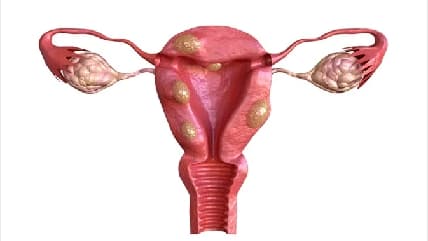
Menstruation can be a hard phase, especially when you bleed too much or feel pelvic pain. But if these symptoms get worse, then you must visit a gynecologist. The pain and bleeding might be due to the presence of uterine fibroids.
Uterine fibroids or leiomyomas are non-cancerous growths that can grow in your uterus. They vary in size, and they mostly appear when you are of child-bearing age.
Many women with fibroids do not show any symptoms.
Symptoms of Uterine Fibroids
- Heavy and painful bleeding during menstruation
- Back and leg ache
- Menstrual periods lasting over a week
- Frequent urination
- Constipation
- Pain in the pelvic area
- Enlargement in your abdominal area
These symptoms normally go away after menopause, as your hormone levels come down.
Causes/Reasons of Uterine Fibroids
The exact cause of uterine fibroids is not known. However, factors such as genetics, hormones, and extracellular matrix can contribute to this condition.
Studies show that women of African heritage have higher chances of getting uterine fibroids. Heredity also plays a major role in acquiring this condition. Consumption of alcohol and red meat can also increase the risk of fibroids.
Treatment for Uterine Fibroids
Apart from a pelvic exam, uterine fibroids are diagnosed through ultrasound, lab tests, MRI, hysterosonography, hysterosalpingography, and hysteroscopy.
If you show mild symptoms, you would be recommended to wait for the fibroids to go away on their own, which usually happen after menopause. Medications also help in managing this condition.
In cases of moderate or severe symptoms, surgical procedures such as myomectomy, hysterectomy, endometrial ablation, uterine fibroid embolization, etc., are performed.
Prevention
Although uterine fibroids cannot be prevented, you can keep this condition at bay with certain lifestyle habits. A low sugar diet, cruciferous vegetables, and regular exercise may reduce your chances of uterine fiber.
Consult your doctor for a detailed medical examination and treatment.
Related Blogs
Abdominoplasty
Learn more
Blood
Learn more
Thyroid
Learn more
Autism
Causes of Infertility
Learn more
Kawasaki Disease? A Guide to Diagnosis and Treatment
Multisystem Inflammatory Syndrome In Children