Gastrointestinal Surgery & Solid Organ Transplantation
Overview
Gastrointestinal surgery & solid organ transplantation at Amrita Hospital, Kochi is a premier medical facility dedicated to providing advanced care for complex gastrointestinal, liver, gallbladder, and pancreatic diseases. With our state-of-the-art facilities and a multidisciplinary team of experts, we offer comprehensive diagnostic, treatment, and surgical services to patients and referring physicians.
Doctors

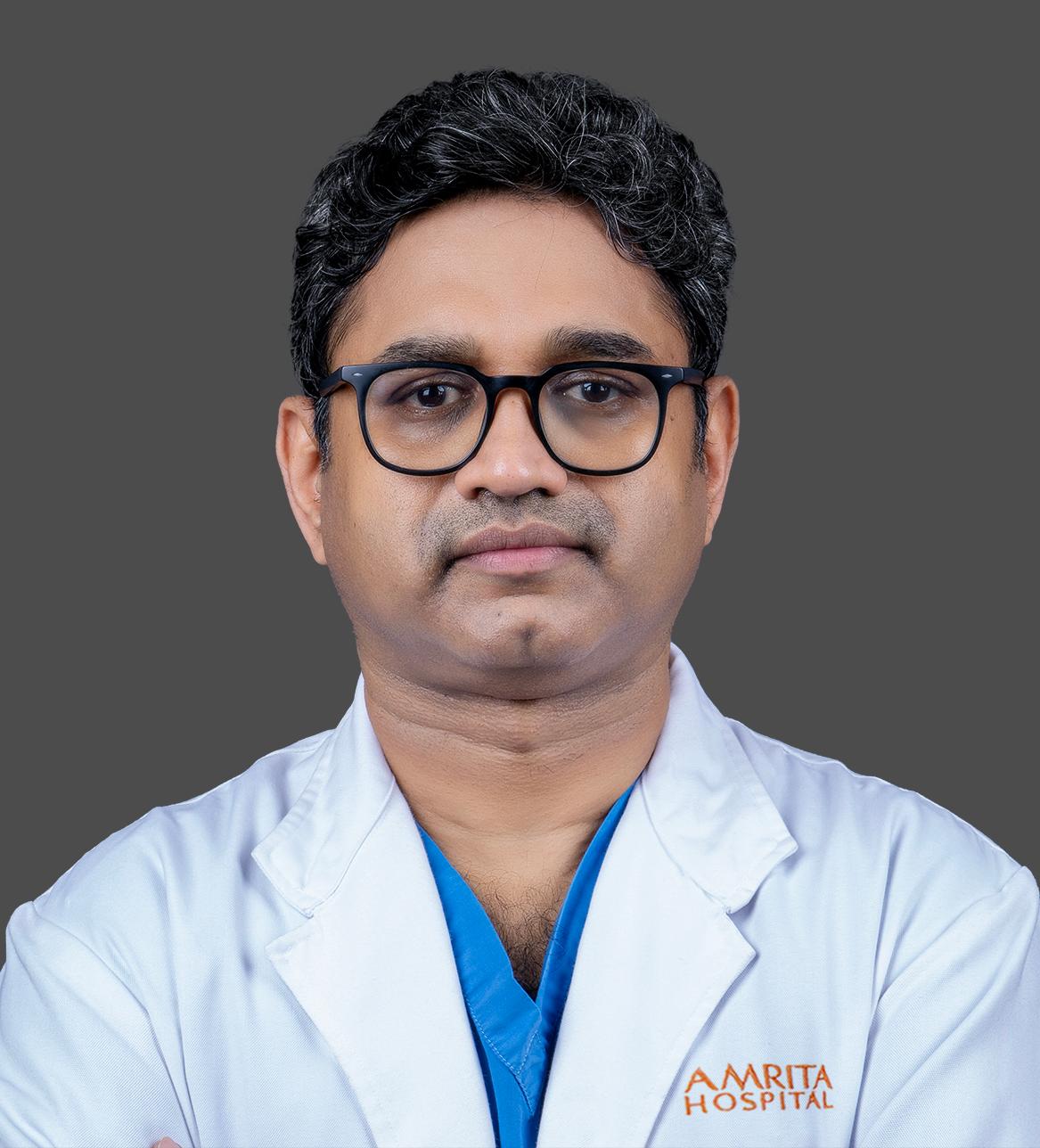
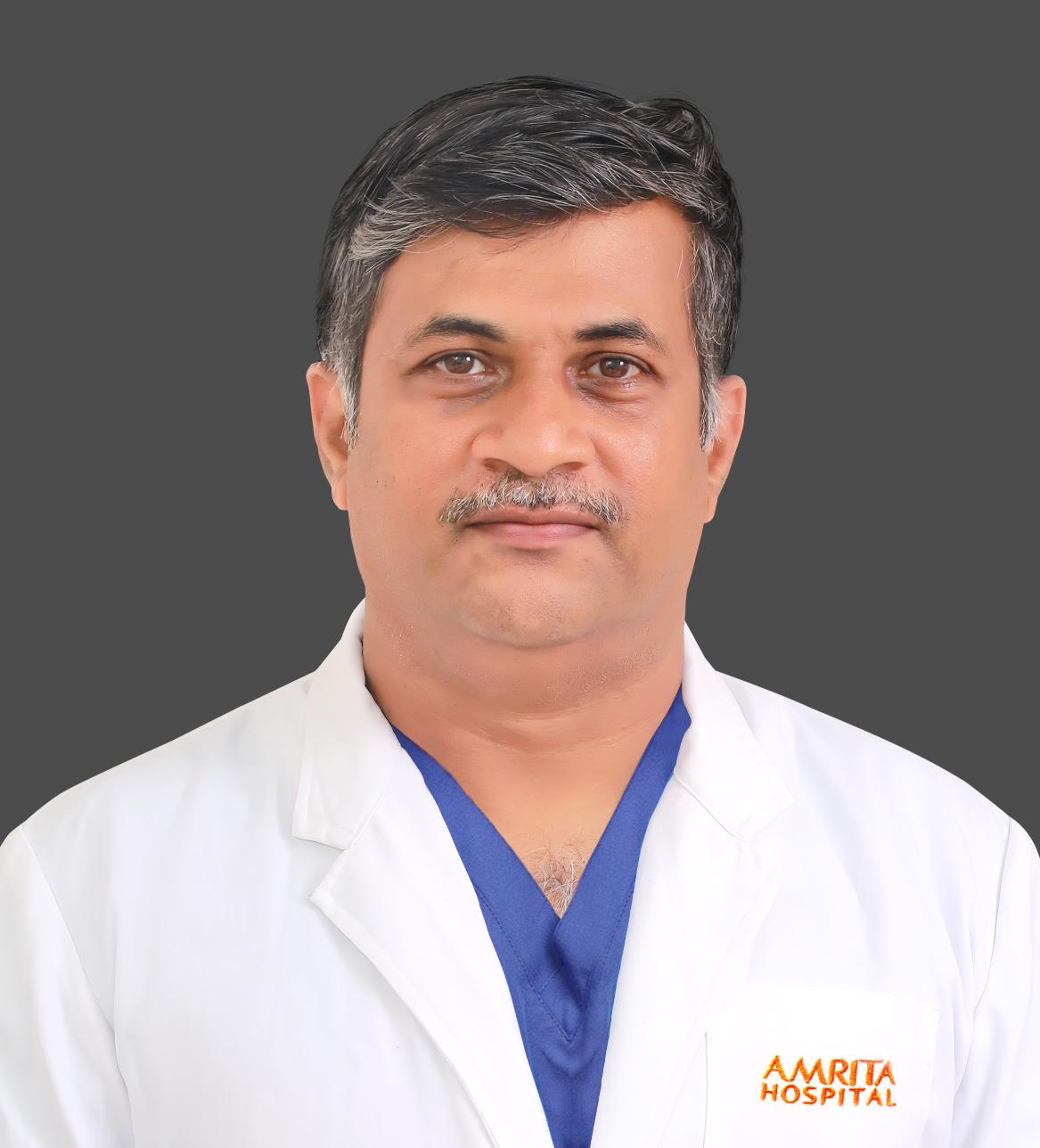
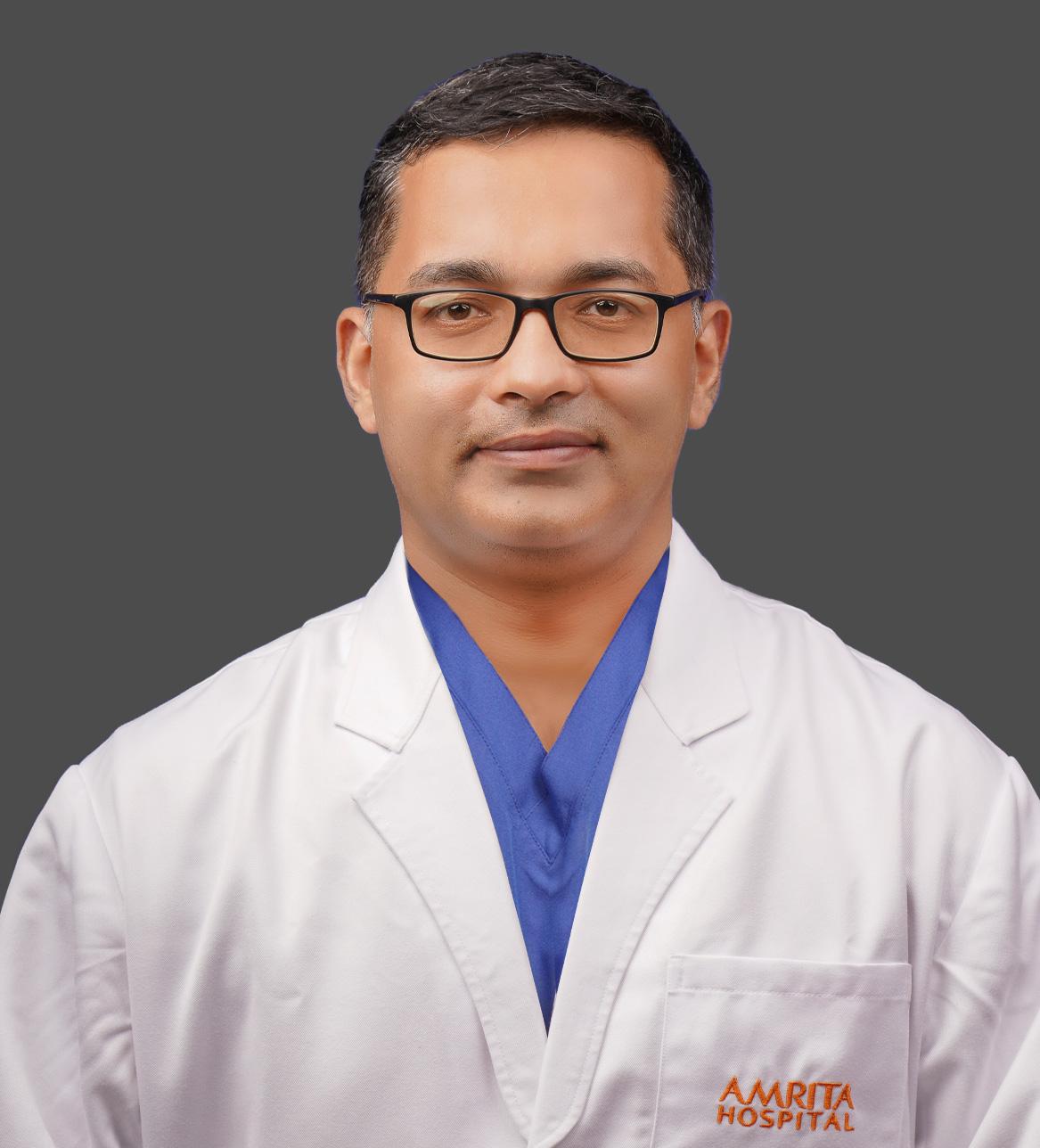
Achievements
We are proud of our achievements in the field of Gastrointestinal surgery & solid organ transplantation, including:
- High success rates in liver transplantation surgeries
- Recognition as a center of excellence for pancreas disorders
- Participation in groundbreaking clinical trials and research studies
- Awards and accolades for our contributions to medical science and patient care
These achievements validate our commitment to delivering exceptional healthcare outcomes and provide assurance to patients seeking our services.
Contact Us
Address
Centre for Digestive Diseases, Amrita Institute of Medical Sciences Ponekkara, AIMS (P.O.), Kochi, Kerala, India Pin: 682041
For Appointments
Phone: 0484 -2852100, 0484-2851234, 0484 - 6682100, 0484 - 6681234
Diseases Treated
- Appendicitis
- Abdominal Tuberculosis
- Colon Cancer and Gastrointestinal Cancers
- Diverticular Disease
- Gallbladder Disease
- Gastric Cancer
- Gastroesophageal Reflux Disease (GERD) and Hiatal Hernias
- Hernia
- Inflammatory Bowel Disease (Crohn's Disease and Ulcerative Colitis):
- Rectal Prolapse
- Weight Loss
- Polyposis Syndrome
- Rectal Prolapse
- Complicated Perianal Conditions
- Anal Sphincter Reconstruction and Augmentation
- Liver surgery
- Pancreatic cancers
- Chronic pancreatitis
- Disorders of the biliary system
- Surgeries for inflammatory bowel disease.
- Surgery for diverticular disease.
- Emergency surgeries for acute problems of the colon like obstruction/ perforation.
- Infective diseases of the colon
- Rectal prolapse &pelvic floor disorders
- Sphincter repair for incontinence
- Surgeries for piles and fistula
Features
Solid Organ Transplantation
We perform Living Donor Liver Transplants using advanced techniques like Robotic Donor Hepatectomy. For urgent cases, Deceased Donor Liver Transplants are available. Our expertise includes pediatric liver transplantation, as well as ABO incompatible and Simultaneous Liver & Kidney Transplants.
Minimally Invasive Surgery
We use robotic, laparoscopic, and keyhole surgeries for upper GI conditions, liver surgery, and colorectal cancers. This includes esophagectomy, gastrectomy, hepatectomies, and rectal resections, ensuring quicker recovery with minimal scarring. We also offer laparoscopic hernia and gall bladder surgeries.
Transanal Endoscopic Operation (TEO)
TEO is a minimally invasive technique to treat conditions in the rectum, such as polyps and growths. Using specialized platforms, it provides magnified visualization and precise instrumentation for complex procedures, ensuring effective treatment with minimal recovery time.
Multidisciplinary Tumor Board
A team of specialists from different medical fields meets regularly to discuss cancer cases, ensuring the best treatment and care plan for each patient. Their collaborative approach focuses on delivering personalized and comprehensive cancer care.
Out patient Services
- OPD consultations from 08:30am - 5:30pm from Mondays to Saturdays.
- Obesity clinic - Wednesdays
- Liver clinic – Everyday 10am to 5pm
- Pancreas Clinic - Wednesdays
- Multidisciplinary tumor board for cancer cases - Every Thursday (8:30-10am).
- Laboratory facilities including blood collection and reporting in the OPD
- Procedure facilities like major and minor dressings, minor debridement, secondary suturing, non-surgical therapy for hemorrhoids
To book an appointment contact us at: 0484-2851125, 0484-6686041
Why choose us?
- Comprehensive Expertise: Unparalleled expertise in complex gastrointestinal, liver, gallbladder, and pancreatic diseases. Our multidisciplinary team of experts, backed by state-of-the-art facilities, ensures you receive the highest standard of care for your medical needs.
- Pioneering Techniques: From Living Donor Liver Transplants to innovative procedures like ABO incompatible and Swap liver transplants, we employ pioneering methods to enhance precision and address acute and chronic conditions with exceptional outcomes.
- Patient-Centric Approach: We prioritize your well-being through our commitment to Minimally Invasive Surgery. Our advanced robotic, keyhole, and laparoscopic procedures ensure a quicker recovery, and less hospital days.
- Comprehensive Care: From diagnostics to treatment and surgical interventions, we offer comprehensive care under one roof, streamlining your healthcare journey for a seamless experience.
What we offer
- State-of-the-Art Facilities: Experience advanced medical care with access to advanced facilities equipped for complex procedures in Solid Organ Transplantation and Minimally Invasive Surgery.
- Specialized Transplant Services:We provide a range of specialized transplant services, including Living Donor Liver Transplants, Simultaneous Liver and Kidney Transplants, and unique procedures like ABO incompatible and Swap liver transplants. Our expertise extends to pediatric cases, rare indications, and combined organ failures.
- Innovative Surgical Techniques: We practice innovative surgical techniques with our Minimally Invasive Surgery department. From robotic and laparoscopic surgeries for upper GI diseases to scarless rectal resections and Trans-anal Endoscopic Operations (TEO), we offer advanced solutions for a wide spectrum of conditions.
- Patient-Centered Care: Our team is dedicated to ensuring your comfort, quick recovery, and overall satisfaction, making us your trusted partner in managing complex gastrointestinal and liver-related health concerns.
Service
Emergency Services
- 24hr access to emergency GI surgery care through the OPD and Emergency department.
- Dedicated separate gastro-surgical, liver and transplant ICU.
- 24hr functional GI surgical emergency operation theatres.
Gastric and Esophageal Surgery
Minimally invasive gastric and esophageal surgeries are offered to patients. The following conditions are treated on a regular basis:
- Gastric Cancer – Palliative and curative resections for gastric and gastro-esophageal junction cancers are performed frequently, along with gastrectomy with extended lymph node dissections.
- Achalasia Cardia – The initial work up is done in the esophageal motility lab in the Medical Gastroenterology department, then the GI Surgery department sees patients who need surgery. Laparoscopic myotomy is performed so that patients can avoid the risk of open surgery with its attendant morbidity.
- Esophageal Cancer – Transthoracic and transhiatal esophagectomies are also performed regularly. Inoperable patients are palliated by expandable metallic stents or endoscopic feeding gastrostomies. The management of these patients is generally undertaken in consultation with an oncologist to plan the adjuvant treatment that may be needed.
- Gastro Esophageal Reflux Disease –The treatment is begun only after extensive evaluation in the motility lab of the Medical Gastroenterology department. Optional minimally invasive anti-reflux surgery is offered to the patient.
- Ulcer Disease – With the current advances in medical treatment, it is rare for patients to need surgical intervention. When such cases do arise, the department offers the options of laparoscopic as well as open acid reduction procedures.
Small Intestine and Colorectal Surgery
The GI Surgery department provides integrated oncology care. The treatment of patients with rectal cancer is planned in consultation with an oncologist to include pre-operative radiotherapy. This approach significantly reduces the risk of recurrence of the cancer. The department carries out a variety of procedures and treats conditions including:
- Colorectal Cancers – Low anterior resections and stapled pouch anastomosis are carried out routinely. All attempts are made at sphincter preservation. Laparoscopic colorectal resections are being taken up on depending on patient preference and suitability.
- Polyposis Syndrome – Patients with polyposis syndrome are evaluated fully in the department for coexisting pathology and are offered sphincter-preserving procedures like Ileal Pouch Anal Canal Anastomosis.
- Inflammatory Bowel Diseases – Inflammatory bowel disease like ulcerative colitis and Crohn’s Disease are handled in consultation with the Medical Gastroenterology department. Advanced procedures like Ileal Pouch Anal Canal Anastomosis are done regularly. Staged procedures for complicated IBD and management of fistulas utilize the services of the integrated stoma care services.
- Abdominal Tuberculosis – The advanced facilities available in the hospital permit noninvasive or minimally invasive confirmation of this often-obscure pathology.
- Rectal Prolapse – Rectal prolapse is being treated routinely by Laparoscopic Rectopexy, thus allowing early return to activity for the patients.
- Complicated Perianal Conditions – the evaluation and management of complex perianal fistulae is aided greatly by the excellent imaging modalities of conventional and MR fistulograms done in the Radiology department. Stapler hemorrhoidectomy is offered to patients at their choice, avoiding the painful and prolonged convalescence after piles surgery.
- Anal Sphincter Reconstruction and Augmentation –Reconstruction of anal sphincter with muscle transfer procedures are done for patients with incontinence due to traumatic injuries to the sphincter.
Hepato Pancreato Biliary Services
- Liver surgery – Major liver resections are undertaken routinely for primary cancers of the liver and the biliary tree.
- Pancreas – The unit has carried out more than 120 major pancreatic resections with results being comparable with the best centres in the world. Surgical treatment is offered to patients with pancreatic cancers as well as chronic pancreatitis.
- Disorders of the biliary system – The treatment of gallstone disease is done in coordination with the Medical Gastroenterology Department so as to allow planning of combined and sequential treatment procedures that would help in reducing the hospital stay. Surgical management of complicated benign biliary disorders is done by biliary reconstructive procedures.
- Bile duct and gall bladder cancer – Palliative and curative resections for biliary cancer and palliative drainage procedures are performed. Combined liver and bile duct resection for advanced bile duct cancers are being performed regularly with excellent results. Patients who have inoperable diseases are offered various palliative measures like stenting or bypass procedures.
Laparoscopic Surgeries
- The unit operates with two fully equipped laparoscopic suites, which are also equipped with advanced equipment like Harmonic Scalpel, Argon laser, endoscopic stapling devices and endoscopic suturing devices. The unit is routinely conducting:
- Lap cholecystectomy
- Lap common bile duct exploration for stone disease
- Lap appendicectomy
- Laparoscopic hernia repair
- Diagnostic laparoscopy for the evaluation of obscure abdominal symptoms,
- pain or ascites
- Lap assisted colorectal resections for cancer
- Lap liver surgeries for cystic diseases of the liver
- Lap directed small bowel surgeries
- Lap myotomy for Achalasia Cardia
- Lap splenectomy
- Lap cysto-gastrostomy
- Lap bariatric surgery
Liver Transplantation
Liver transplantation is surgery to remove a diseased liver and replace it with a healthy liver. The person who donates the organ (liver in this case) is called a “donor” and the patient who receives it is called a “recipient”. A liver transplant is not a simple step to take, but it can save your life. Survival rates after transplant operations have improved remarkably over the past several years. Currently over 80 to 90% of people survive liver transplantation and enjoy a good quality life subsequently.
- The treatment options for treatment of patients with end stage liver disease are limited and the patient usually follows a steady downhill course unless transplanted.
- The liver transplantation team is credited with 850 liver transplants. Of the total of 850 transplants, 780 were from live donors and 70 were from deceased donors.
- First and largest Liver Transplant Program in Kerala. Regular Live Donor programme from 2007.
- The team has performed 103 Liver Transplants in the past one year.
- Acute liver failure: 120 out of 850 transplants were done for Acute Liver Failure, where the work up of donor and recipient were often completed within 24 hours.
- First Centre in India to perform ABO incompatible adult transplant. At 20 cases, this is currently the largest series in India.
- First Centre in India to perform Partial Auxiliary Orthotropic Liver Transplantation {APOLT} where part of the recipient liver is left in situ allowing us to potentially withdraw immunosuppression once the native liver recovers. Total 6 APLOTs
- 110 paediatric transplantations, the youngest being a 5-month-old baby weighing 5 Kilos.
- First Centre in Kerala to perform SWAP Transplantation. (When the members of two different families cannot donate their organ to their own family member due to blood group incompatibility there is an option for a pair of families to donate to each other. This is applicable mostly to A and B groups only.)
- First robotic donor hepatectomy and largest series in India. Total 118.
Gastrointestinal Oncology
- The department of Intestinal Oncology works closely with the Department of Oncology
- Patients receive integrated care for their diseases under one roof
- Adjuvant treatment for various types of cancers including colorectal, stomach, pancreas, cholangiocarcinoma, etc.
Obesity (Bariatric Surgery)
At our facility, we pride ourselves on being pioneers in bariatric surgery in Kerala, having performed the state's first bariatric surgery in 2005. Since then, we have successfully completed thousands of procedures, making us the leading institution in this field.
Our comprehensive bariatric surgery options include:
- Laparoscopic Sleeve Gastrectomy
- Laparoscopic Roux-en-Y Gastrectomy
- Laparoscopic Mini Gastric Bypass
We also specialize in re-do bariatric surgeries for patients experiencing weight regain after their initial procedures. Our multidisciplinary obesity clinic offers integrated care through departments of endocrinology, gastroenterology, physical medicine, and clinical nutrition.
Our results with bariatric surgery are on par with any individual standards, ensuring patients receive the highest standard of care and support throughout their weight loss journey.
Our Philosophy
We are driven by a deep commitment to provide comprehensive treatment and care to all sections of society. We believe that everyone deserves access to the highest standard of healthcare, regardless of their background or circumstances.
Central to our mission is ensuring that the most advanced technologies and medical innovations are accessible to all. We strive to break down barriers and make cutting-edge treatments available to everyone in need, empowering individuals to lead healthier, happier lives.
Video Gallery
Academy
- MCh Gastrointestinal Surgery
- PhD Programs
Observatory Courses
Facilities
The department is equipped with state-of-the-art facilities, including:
- Advanced endoscopy suites
- Interventional radiology suites
- Hybrid operating rooms for minimally invasive surgeries
- Dedicated liver transplant unit
- Well-equipped diagnostic imaging center
- In-house laboratory for prompt and accurate test results
These facilities enable us to provide comprehensive diagnostic and therapeutic services under one roof, ensuring convenience and efficiency for our patients.
FAQS
The liver has many jobs to do such as helping to digest your food, clearing some waste from your blood, making proteins that help your blood to clot, storing glyco-gen for energy, breaking down many poisons and medicines and many more tasks. When the liver is seriously damaged, there is no treatment that can help the liver do all of its jobs. Therefore, when a person reaches a certain stage of liver disease, a liver transplant may be the only way to prolong his or her life.
The most common reason for liver transplantation in adults is cirrhosis, a disease in which healthy liver cells are killed and replaced with scar tissue. The common causes of cirrhosis are alcohol abuse and hepatitis due to B and C viruses.
The most common reason for transplantation in children is biliary atresia, a disease in which the ducts that carry bile out of the liver are damaged.
Liver transplant may also be done for some types of liver cancers.
The liver only starts to fail when more than half of it is damaged. Once a person shows signs of liver failure, it means there is not much of the liver left for the body to rely on. Signs of liver failure may include the following:
- Yellow skin and eyes (jaundice)
- Forgetfulness, confusion, or even coma (encephalopathy)
- Feeling very tired (fatigue)
- Build-up of fluid in the stomach (ascites)
- Vomiting of blood from veins in the oesophagus and stomach (haemetemesis).
- Muscle wasting
- Poor clotting of the blood
If the doctors believe that a patient with liver failure is not likely to live for one more year, he or she would become a candidate for liver transplantation. This is, however, a very complex issue and must be answered on a case-by-case basis. You must first undergo a variety of laboratory tests, x-rays and consultations. You will need to be admitted to the hospital for about one week to do these tests. Once they are completed, your test results are reviewed at the Liver Transplant Committee meeting made up of doctors, nurses, transplant coordinators, psychologists and social workers. This is to help us decide whether a liver transplant is the best choice for you.
If you are found to be appropriate for a transplant, you will be placed on the waiting list for a liver transplant. Once in a while, patients are found to be too healthy for a transplant. These patients may then be followed closely for signs of more liver failure. As their liver gets worse, they will be retested and if suitable may be placed on the liver transplant list at that time. Other patients may be too ill to survive the transplant. In these cases, the committee will not approve a liver transplant.
The survival rate after liver transplant is more than 80% in one year, and 70% in five years. This implies that if 20 patients undergo liver transplantation, within one year 4 will die due to the complications of the operation or its medications. Within 5 years four more out of these 20 are likely to die due to a variety of problems.
If you compare this with the results of operation for most cancers, this is an exceptionally good result. It is particularly so, given that without a liver transplant most patients would have died within a year. How long will a new liver last?
No one knows how long a transplanted liver can last. The longest reported survivor is 25 years. Ten-year survival is common. Hopefully, improvements in techniques and medications that are continually occurring will allow most patients receiving liver transplants today to have long productive lives. I have liver disease due to alcohol.
Yes. However, you must have completely stopped taking alcohol for a minimum period of one year. You will be assessed by a psychologist and a psychiatrist to establish whether your mental, social and family environment may drive you to alcohol following a successful transplant. Even small amounts of alcohol after a liver transplant can seriously damage the new liver.
No. Hepatitis C and B viruses can live in cells other than in the liver. Once the old liver is removed and the new one is connected the hepatitis virus spreads back into the liver within the first weeks to months after the transplant. It is almost certain to occur with Hepatitis C. This is the bad news: at present we have no way to make the hepatitis C virus go away completely. The good news is that overall results with hepatitis C after liver transplantation are good because although the disease comes back it does not seem to greatly damage the liver in the majority of cases. Occasionally, it is possible for hepatitis to return so severely that the new liver fails very soon, but this is uncommon.
Fortunately, hepatitis B can be treated more effectively, however it is very expensive.
There are two types of donors.
- Cadaver donor: In this case, the donor liver is obtained from a person who is diagnosed as “brain dead” and whose family volunteers to donate the organ for transplantation. Brain death usually occurs as a result of a severe head injury or brain hemorrhage. Although their heart is beating, they cannot survive more than a few minutes without a ventilator. Even on a ventilator, they are unlikely to survive more than a week.
- Living donor: Recently, living-donor liver transplants have become more common, particularly in Asian countries such as Japan, Korea, Taiwan, Singa-pore etc where for various reasons, cadaveric donors are very few in number. A healthy family member, usually a parent, sibling, child or spouse may vol-unteer to donate part of their liver for transplantation.
For an adult who needs a liver, the right half of a liver is removed from the donor and used for the transplant.
For a child who needs a liver, a smaller part of the liver (part of left side) is removed from a living donor for the transplant. The donor is carefully evaluated by the team to make sure no harm will come to the donor or recipi-ent. Questions about living donor liver transplants are explained in another in-formation sheet.
Once a suitable donor is found, you will be contacted instantly, and you will need to reach the hospital at the earliest. We will therefore need a list of the names and telephone numbers of people who will know where to reach you.
There are many problems that may come up during the waiting period. You may need to be seen by our doctor regularly. You should have your blood tested and your medicines changed as necessary to keep you in the best possible shape for a transplant. It is very important that you keep all your appointments.
Liver transplant is a major operation taking about 6 to 12 hours to perform. Following the surgery, you will be in the transplant intensive care unit for about 2 to 3 weeks. There will be intensive monitoring of your liver, kidney, heart function etc during this period. Subsequently you may go to the ward till your discharge. Generally, you are expected to be in hospital for about 4 to 6 weeks after the operation.
The two most common complications following your liver transplant are Rejection and Infection. These complications are most common in the first year following your transplant.
- Rejection: Your body’s immune system is designed to destroy foreign cells such as bacteria and viruses, which are harmful to you. Your immune system attacks the cells of the new liver because they’re not like your body’s own cells. This attack is called "rejection," the most serious problem that can happen after a transplant. To prevent rejection of the new liver, you need to take anti-rejection medicines called “immunosuppressants”. Examples are tacrolimus, cyclosporine, azathioprine, mycophenolate, prednisolone etc.
Approximately 50% of liver transplant recipients experience at least one episode of rejection. Usually this rejection episode resolves completely with treatment. If you do not take your medication properly as instructed, your chances for rejection are higher.
- Infection: Micro organisms called bacteria, viruses, protozoa and fungi cause infections. Because you will be taking immunosuppressive medications that suppress your immune system, you will be at risk of acquiring infections from these micro organisms. Some of these organisms live normally in the body and do not produce illness before your transplant. Once you are transplanted and the immune system is suppressed, these organisms could trigger infections. Hence monitoring for infection is extremely important for the newly trans-planted patient.
Soon after a liver transplant, typically you will be given three antirejection pills, as they work better in combination. Later it maybe reduced to two or even one. These medicines weaken your immunity just enough so your body accepts the new liver. They are very strong medicines but without them you will lose your new liver.
As explained above, the main side effect of these medicines is infection. You will therefore be given drugs to prevent acquiring viral, fungal and protozoal infections. Any bacterial infections will be treated accordingly as recommended by the transplant team.
The other side effects are:
Transplant medicines can make you more likely to get some types of cancers like cancer of lymph glands and skin. The doctors will try to adjust the dose of the medicines so that you do not get infections or cancers. Furthermore, you will be regularly checked for the development of cancers. Most of these cancers are easily treated, if detected early. Nevertheless 1% of transplant recipients die of cancer.
Diabetes, high blood pressure, weight gain, high cholesterol, weak bones, hair thinning etc. are other relatively minor side effects. These can be detected early, and appropriate treatment started to prevent any major issues.
You will need to attend the outpatient department regularly for a check-up by the doctor and for testing your blood. Initially you will have to visit 2- 3 times a week; later once a week and then less often. The better you look after your new liver, the longer it will last for you and the lesser the side effects of medications.
Living-donor transplantation entails the removal of a portion of the donor's healthy liver into another person who is in need of transplantation (recipient). A family member, usually a parent, sibling or adult child (above the age of 18 years) or someone emotionally close, such as a spouse, may volunteer to donate a portion of their healthy liver. This procedure is made possible by the liver's unique ability to regenerate. After transplantation, the partial livers of both the donor and recipient will grow and remodel to form complete organs.
Yes. Cadaveric organ donation from brain-dead patients remains the principal form of donation in most parts of the world. These organs come from patients who die as a result of a head injury, stroke, brain hemorrhage etc. who are on a ventilator in a hospital intensive care unit. Although their heart continues to beat and keep their blood circulation going, these patients are clinically dead. Because the ventilator pro-vides oxygen which keeps the heart beating after death, they are called heart-beating brain-dead donors. If their breathing support machines were stopped, the heart would stop immediately. In these circumstances death is confirmed by brain tests. Whilst their heart is beating on the ventilator, their organs can be removed for transplantation into a recipient.
Due to the success of organ transplantation, there are a large number of patients waiting for transplants. Unfortunately, there is an insufficient number of donor organs available. Hence most have to wait a long time before a suitable organ becomes available to them. During this waiting period, there is inevitable deterioration of the liver disease. In many cases, patients may die without ever getting an organ for transplant.
The principal advantage of living-donor transplantation is that it provides immediate organ availability to those awaiting transplantation. The timing of the transplant operation can be planned, and the progression of recipient's liver disease and its life-threatening complications can be avoided. Living-donor transplantation offers the possibility of earlier transplantation to those in need, before their health deteriorates to life-threatening status. This is particularly valid in Asia, where for a variety of reasons cadaveric organ donation is extremely infrequent.
Living-donor transplantation was first performed in children as a means to alleviate long waiting times for cadaveric organs. Here less than a quarter of the adult liver needs to be removed for transplantation into a child. This proved to be a very suc-cessful procedure all over the world with very little danger to the donor. However adults in need of liver transplantation require a larger segment, as much as half or more of the donor's liver. This requires a more extensive and complex surgery, with potentially greater risks for the donor. Now adult to adult living donor transplantation has become customary in most parts of the world, but particularly so in Asian coun-tries like Japan, Korea, Taiwan, India etc where cadaveric donation is uncommon.
Potential liver donors are carefully evaluated to select those individuals who can safely donate a portion of their liver which will function immediately. The primary con-cern throughout the evaluation is the safety of the donor. This means that if trans-plant physicians estimate the risk of death for a donor could exceed 1%, that person would not be permitted to donate. General criteria for liver donation include:
- good general health.
- blood type compatible with recipient's blood group.
- having a solely altruistic incentive for donating.
Risks to the donor include, but are not limited to, bleeding, infection, bile leakage from cut surface of liver and possible death. The likelihood of these risks is more when the right lobe of the liver (comprising up to 60% of total liver volume) is used for donation. When the recipient is a small adult, the left lobe of the liver from the donor might suffice and in such cases the complication rates are extremely low. For trans-plantation into children, even smaller portion of the liver is required from the donor, diminishing the complication even further, although not totally eliminating them.
In most cases, these complications resolve spontaneously. Nevertheless in some cases additional operation may even be necessary. Overall the risk of complication is about 10% and the risk of death is less than is less than 1 in 200.
A living-donor candidate must complete the following evaluation process to deter-mine if they can safely donate part of their liver:
- The first testing determines if the donor's blood type is compatible with that of the recipient. Additional blood tests are performed to test for healthy functioning of the donor's liver, kidneys, heart, lung and thyroid, and to screen for exposure to viruses that transmit diseases such as hepatitis and AIDS.
- Abdominal ultrasound testing is performed to screen for abnormalities of the liver and other abdominal organs and blood vessels.
- CT scans and Magnetic Resonance Imaging (MRI) are performed to create detailed anatomical “road map” of the donor’s internal organs to decide how much of the liver would be required for the recipient and to aid the surgery.
- Usually additional testing, such as pulmonary function testing, echocardiogram, exercise stress testing etc. is necessary to authenticate the wellbeing of the donor.
The standard time required to complete the donor evaluation process is two to four weeks. If necessary, however, it can be completed in as little as 48 hours.
Depending on which part of the donor's liver is removed, the incision is usually in the shape of an inverted "T." Typically for right lobe donation, the gallbladder needs to be removed. The donor's liver is carefully split into two segments and one portion is re-moved for the recipient. The wound is then closed securely: the skin stitches typically being done with absorbable sutures which do not require removal. The liver begins to heal and regenerate itself, generally taking six to eight weeks for full regeneration.
Typically, a donor remains in the hospital from five to ten days after surgery. Donors spend their first night after surgery in the Surgical Intensive Care Unit for close moni-toring by specialized nursing staff. The following day, they are usually transferred to the general surgical floor where the nurses are specially experienced.
Donors are encouraged to get out of bed and sit in a chair the day following surgery, and to walk the corridors as soon as they are able.
Every donor's recovery time is different but, typically, donors spend four weeks recu-perating after surgery. In the month following discharge from the hospital, donors re-turn weekly or fortnightly for outpatient monitoring. Individual recovery rate and the type of occupation dictate how soon a donor can return to work, but it commonly av-erages three to six weeks.
Specialty Clinics
Liver Transplantation Clinic
- Transplant team composed of experienced transplant and vascular surgeons, supported by a large GI surgical and anesthetic team
- Pre-transplant workup and follow-up done at a monthly liver transplant clinic conducted by experienced hepatologists and the transplant team
- Treatment plans for individual patients with end-stage liver disease streamlined at the clinic
- Excellent intensive care and supportive services meet all requirements for a successful transplant setup.
Obesity Clinic
Amrita Hospital is one of the leading centers in India performing safe and effective Obesity Surgery, with a minimally invasive approach
Pancreas Clinic
- We offer Pancreatic cancer screening programs
- Diagnosis of pancreatic diseases by world-class diagnostic modalities like MRI/MRCP, Endoscopic ultrasound, EUS guided biopsy.
- Multi-departmental approach including gastroenterology, gastro surgery, medical and radiation oncology.
- Advanced pancreatic surgeries including vascular resections
Diagnostic Tests and Procedures
- Upper GI Series (barium swallow or barium meal)
- Gastroscopy
- Endoscopic Retrograde Cholangiopancreatography (ERCP)
- Endoscopic Ultrasound
- pH Monitoring
- Esophageal/Gastric Manometry
Treatments
Upper GI And General GI Services
- Surgeries of the esophagus for benign and malignant diseases
- Surgery for dysphagia like achalasia cardia and corrosive strictures of the esophagus
- Surgeries for acid reflux disease.
- Surgeries of the stomach for benign and malignant diseases
- Surgeries of the small intestine for benign and malignant diseases
- Bariatric surgery for morbid obesity
- Surgeries of the spleen (ITP, hydatid cysts)
- Diagnostic surgery for diseases of the intestine like diagnostic laparoscopy and biopsy
- Surgery for peritoneal cancer (peritonectomy, debulking and HIPEC)
- Surgery for tubercular abdomen
- Surgery for entero-cutaneous fistula.
- Surgeries for vascular diseases of the abdomen (shunts surgeries, mesenteric revascularizations)
- Hernia surgeries (inguinal, femoral and ventral hernias)
- Surgeries for creating feeding access.
- Surgeries for retro-peritoneal tumours and tumours involving major abdominal vasculature.
Lower GI Services
- Surgery for colon cancer (right and left hemicolectomies, diversion colostomies, Hartmann’s procedure)
- Surgery for rectal cancer (anterior resections, low and ultra-low anterior resections, abdomino-perineal resections)
- Surgery for inflammatory bowel diseases (Chron’s disease, ulcerative colitis)
- Surgery for rectal prolapse
- Surgery for intestinal stoma creation and reversals.
- Surgery for diverticular disease
- Surgery for appendix inflammation and tumours
- Surgery for sphincter repair and incontinence
- Surgery for haemorrhoids, fistula and fissure.
Tumphpb Services
- Treatment of gall stone disease (acute and chronic cholecystitis, empyema gall bladder, perforated gall bladder, cholecysto-colic/duodenal fistula)
- Surgery for pancreatic cancer (adenocarcinoma, neuroendocrine tumour, cysts of the pancreas)
- Surgery for liver cancers and benign liver tumours (HCC, liver metastasis from other organs, FNH, adenomas)
- Surgery for acute and chronic pancreatitis (pseudocyst, pancreatic necrosis, pancreatic ductal stones)
- Surgery for benign diseases of the liver (hydatid cysts, recurrent pyogenic cholangitis, abscess)
- Surgery for biliary injury and stricture
- Surgery for cancer of the biliary tract (carcinoma gall bladder, cholangiocarcinoma)
Solid Organ Transplantation
- Living donor liver transplants for acute liver failure and chronic liver disease.
- Robotic donor hepatectomy for living donor liver transplant
- Deceased donor liver transplant for acute liver failure and chronic liver disease
- Paediatric liver transplantation for both acute and chronic liver disease
- Liver transplantation for rare indications like metabolic liver disease and certain genetic disorders
- Special types of liver transplant like ABO incompatible, APOLT, Domino liver transplant, Swap liver transplant.
- Simultaneous liver and kidney transplant for combined organ failures
- Simultaneous pancreas and kidney transplant of Type I Diabetes Mellitus with chronic kidney disease.
- Organ retrieval for deceased donor liver transplant
- Small intestinal transplant for intestinal failure (short gut syndrome, visceral myopathies)
- Multi-visceral transplant.
- Uterine transplants for conception failure due to uterine causes.
Minimally Invasive Surgery (Robotic, Keyhole/laparoscopic And Teo)
- Robotic and laparoscopic surgery for upper GI diseases like esophageal and stomach cancer, small intestinal cancer (esophagectomy, total and partial gastrectomy, bariatric surgery, surgery for acid reflux)
- Robotic and laparoscopic liver surgery (major and minor hepatectomies, non-anatomical liver resections)
- Robotic and laparoscopic liver donor surgery (donor hepatectomy) for liver transplant.
- Robotic and laparoscopic pancreatic surgery (Whipple’s procedure, distal pancreatectomy, median pancreatectomy, Frey’s procedure)
- Robotic and laparoscopic colorectal surgeries for cancer of the right and left colon, cancer of the rectum (right and left hemi-colectomies, low anterior resections, abdomin-perineal resection)
- Robotic and laparoscopic scarless rectal resections
- Trans-anal endoscopic Operation (TEO) for low rectal cancers.
- Laparoscopic hernia repairs for inguinal hernia (TEPP)
- Laparoscopic hernia surgery for umbilical, para-umbilical, incisional and other ventral hernias.
- Robotic and laparoscopic surgeries for gall bladder and biliary stone diseases, biliary strictures and choledochal cysts.
Emergency Surgical Services
- Surgeries for hollow viscus perforation (gastric, duodenal, colonic, small intestinal)
- Surgery for acute inflammatory conditions like appendicitis, cholecystitis, diverticulitis
- Surgery for acute intestinal obstruction
- Surgeries for esophageal perforation and mediastinitis
- Surgery for GI trauma (liver injury, splenic injury, intestinal and vascular injury, stab injuries)
- Surgery for acid and corrosive ingestion, foreign body ingestions
- Surgery for acute abdominal vascular occlusions like mesenteric ischemia.
Featured News