Clinical Haematology & Stem Cell Transplantation
Overview
The Department of Clinical Haematology at Amrita Hospital, Kochi provides medical expertise for the treatment and prevention of haematological neoplasms in adults and children.
Our team of specialized healthcare professionals, consisting of skilled Haematologists and hematopathologists, is extensively trained to address conditions related to the blood and its components, like blood and bone marrow cells. Diagnostic assessments conducted by haematological tests aid in identifying various health issues such as anaemia, infections, haemophilia, blood-clotting disorders, and leukaemia. Furthermore, we excel in managing both common and rare blood disorders.
Doctors
Achievements
India's First
- India's first "micro-transplant," an advanced form of blood stem cell transplantation
Kerala's First
- Kerala's first blood stem cell transplant & therapies centre in the private sector
- Kerala's first leaders in bone marrow transplant surgery
- First specialist in haemophilia treatment from Kerala
- To introduce advanced treatments for Haemophilia
- CAR-T cell therapy for relapsed leukaemia.
- First comprehensive haemophilia treatment centre in the state
- Infant (3 month) with severe combined immunodeficiency- underwent haplo identical bone marrow transplantation.
Contact
OP Number: 0484 – 2853064
Duty On call: 7994999168
Clinical Pharmacist: 7994999049
Medical Social Worker: 7034028036
Physician Assistant: 7994999780 / 7994999124
Diseases Treated
- Leukaemia; Lymphoma
- Myeloma
- Paediatric Haemopoitic disorders including Leukaemia/Lymphoma
- Coagulation disorders
- Haemophilia
- Thrombotic disorders
- Platelet disorders
- Haemolytic anaemia
- White cell disorders
- Haemoglobinopathies
- Red cell disorders – Anaemia, Polycythemia etc.
Features
CAR T-cell therapy is a revolutionary approach to cancer treatment. It harnesses the power of your body's immune cells, called T cells, by modifying them in a lab to target and eliminate cancer cells. This form of cell-based gene therapy has proven highly effective, providing hope for patients facing certain types of cancer when other treatments are no longer effective.
UNDERSTANDING CAR T-CELL THERAPY
CAR T-Cell Therapy Process:
Prescription: Your doctor prescribes CAR T-cell therapy based on your medical history and disease condition.
Leukapheresis: White Blood Cells (WBCs) are extracted through a process called Leukapheresis.
Manufacturing: CAR T-cells are specifically engineered from selected T-cells in state-of-the-art facilities.
Infusion: The therapy is administered as a single intravenous infusion, preceded by a chemotherapy regimen to prepare your body.
Monitoring: After infusion, a 10–12-day hospitalization period follows to manage potential side effects. Regular follow-ups with your doctor are encouraged for ongoing evaluation.
How CAR T Cells Work:
- T-cells, your body's natural defense against viruses and cancer, are modified to develop specific receptors targeting cancer cells.
- Unique receptors are designed to find and bind to proteins expressed abnormally on specific cancer cells.
CLINICAL HIGHLIGHTS
19 Days - Average interval from WBC extraction to CAR T-cell infusion.
10 Days - Average in-patient duration post-CAR T-cell treatment.
90 Days - Median outpatient follow-up to ensure a durable and safe response.
Important Safety Information:
Cytokine Release Syndrome (CRS): The most common side effect, CRS symptoms range from fever to irregular heartbeat. Recognized within 10 days of infusion, your treatment team is prepared to manage it.
Neurological Events: Notify your team if you experience confusion, dizziness, or seizures, as CAR T-cell therapy may affect the central nervous system.
HLH (Hemophagocytic Lymphocytosis): Fever and low blood counts may occur, diagnosed through specific blood tests. Supportive medicines are used for treatment.
Prolonged Low Blood Cell Counts (Cytopenia): Regular blood tests monitor and manage cytopenia, minimizing infection risk. Report any unusual symptoms to your doctor.
POST-TREATMENT CAUTIONARY MEASURES
Physical Activity: Avoid driving, operating machinery, or intense physical activities for approximately 8 weeks post-treatment due to potential effects on coordination and alertness.
Donations: Consult your physician before donating blood, organs, tissues, or other cells.
The Blood and Marrow [Stem Cell] Transplantation at Amrita Hospital, Kochi, commenced in January 2013, provides a range of transplant services, including both autologous and allogeneic procedures. The program, spearheaded by Dr. Neeraj Sidharthan and the dedicated Blood and Marrow Transplantation Team, operates within a facility equipped with six beds and full HEPA filtration.
Our comprehensive services are supported by a team of full-time nursing staff, duty doctors, and a Medical Social Worker/Counsellor. Our program is not limited by age, offering both paediatric and adult blood and marrow transplants. As one of the fastest-growing stem cell transplant programs in India, we take pride in being a pioneer in various transplant procedures.
Bone Marrow Transplant
A bone marrow transplant (BMT) is a medical procedure that involves extracting and filtering healthy stem cells from the bone marrow and reintroducing them into either the donor (patient) or another individual. The primary objective of BMT is to infuse healthy bone marrow cells into a person after their own unhealthy marrow has undergone treatment to eliminate abnormal cells.
Why is a Bone Marrow Transplant Needed?
BMT is a crucial treatment for various diseases, including leukaemia, lymphomas, aplastic anaemia, immune deficiency disorders, and certain solid tumour cancers. It becomes necessary when high doses of chemotherapy or radiation, essential for curing cancer, risk permanently damaging or destroying a person's bone marrow stem cells. Additionally, BMT may be required if a disease has compromised the bone marrow.
Stem Cell Transplants
Stem cell transplants, often referred to as bone marrow transplants, aim to replace cancerous, abnormal, or damaged stem cells with healthy ones. This procedure can utilize a patient's own healthy stem cells, donated blood, or bone marrow stem cells.
Key Achievements:
- More than 300 successful transplants, comprising 74 autologous and 68 allogeneic procedures.
- A pioneering program catering to both paediatric and adult patients.
- Milestones such as haploidentical and matched unrelated donor transplants, setting precedents in the state.
- Exclusive capabilities in unrelated donor searches, stem cell cryopreservation, and CD34 detection lab facilities.
- Registered with the Indian Stem Cell Transplant registry and The Asia Pacific Blood and Marrow Transplantation (APBMT) group.
Collaborations:
- Actively engaged with DATRI for unrelated donor searches and DKMS (The German Bone Marrow Donor Center) Germany.
- In-house Human Leukocyte Antigen (HLA) testing capabilities contribute to the success of transplant procedures.
Innovations:
- Pioneering the 'Micro transplant' protocol, achieving the first successful treatment for acute blood cancer (myeloid leukaemia) in the country.
- Conducting the first-ever Haplo Identical or Half Matched Stem Cell Transplantation in the state, showcasing our commitment to advancements in stem cell transplantation.
Why Choose Us?
- Expertise: Our expert team of Haematologists, hematopathologists and team are extensively trained in treating common and rare blood disorders.
- Advanced Treatments: Access cutting-edge treatments like CAR-T and Bone Marrow Transplant for comprehensive and effective care.
- Comprehensive Care Team: We offer the support of a comprehensive care team, including consultants, clinical pharmacists, medical social workers, and nurses.
- State-of-the-Art Facilities: Enjoy the convenience of state-of-the-art facilities, such as in-house blood bank, advanced labs, radiology services, and round-the-clock emergency care.
What We Offer
- Advanced Treatment Options: Receive advanced Bone Marrow Transplant (BMT) and CAR T-Cell therapy for complex haematological conditions.
- Comprehensive Patient Support: Benefit from round-the-clock blood testing, clinical pharmacist services, medical social worker support, and psychosocial counselling.
- Patient Education: Empower yourself with comprehensive patient education services to understand your condition and treatment options.
- Accessible and Affordable Care: We are committed to provide accessible and affordable healthcare options, ensuring your well-being is prioritized throughout your journey.
Service
The department is visited by more than 25,000 patients per year. Our 24 x 7 in-hospital specialty services include emergency dialysis facility, cardiac pacing and emergency endoscopy.
- Haematological Cancer Care
- Stem Cell Transplantation
- Haemostasis and thrombosis care
- General Haematology.
- Haemoglobinopathies
- IP Services
- Trained team in haematology comprising of consultants, fellows, physician assistants, clinical pharmacists, medical social workers and nurses.
- In house blood bank provides excellent support with blood and blood components (PRBC, platelets, plasma, cryoprecipitate, granulocytes).
- Regular irradiation of blood products
- Haematopathology and coagulation lab, cytogenetics, molecular biology, flow cytometry labs along with virology and microbiology provide round-the-clock services.
- State-of-the-art Radiology services
- Consultative and interventional services to provide patient centered holistic care.
- Comprehensive Inpatient Treatment
- Advanced Bone Marrow Transplant (BMT) and Cellular Therapy
- 24x7 Emergency Services
- Comprehensive Blood Testing Services
- Cytomorphology
- Flow cytometry
- Cytogenetics
- Molecular diagnostics
- Immunohistochemistry
- Coagulation tests
- Clinical Pharmacist Services
Clinical Pharmacists (CPs) play an important role in educating patients, caregivers, and other health care professionals and managing adverse effects of chemotherapy.- OP consulting for those on maintenance therapy.
- Review records of patients to determine the appropriateness of medication therapy.
- Identify untreated health problems and refer patients to appropriate physicians.
- Evaluate patient’s condition to ensure all issues are being treated.
- Preparation of chemotherapy protocols and calculation of each patient dose.
- Patient counselling and taking chemotherapy consent.
- Oral anti coagulation dose adjustment on the basis of PT/INR values.
- Develop effective medication plans that minimize the risk of adverse side effects.
- Handling on-call mobile services and monitoring patient blood counts before and after chemotherapy and managing neutropenic care.
- Assess the results of pharmaceutical treatments.
- Collaborate with healthcare professionals to ensure optimal patient care.
- Keep accurate documentation of medication plans and patient progress.
- Haemophilia management services –
- Counselling haemophilia patients regarding home care treatment.
- Accounting, storage and dispensing of WFH donated Clotting Factor Concentrate for patients registered under AIMS – HTC.
- Evaluating patient compliance in haemophilia care.
- Medical Social Worker Service
Medical social workers provide support and resources to patients and their families facing medical issues. They collaborate with other healthcare professionals to address social, financial, and psychological problems related to illness.- Initial screening and evaluation of patient and families.
- Comprehensive psychosocial assessment of patients.
- Helping patients/families adjust to hospital admission, possible role changes, exploring emotional/social responses to illness and treatment.
- Facilitating decision making on behalf of patients and families.
- Employing crisis intervention.
- Coordinating patient discharge and continuity of care planning.
- Educational class taking.
- Collaborative role with multidisciplinary team.
- Coordination of stem cell registries donor work up.
- Manage and coordinate transplant activities with external stem cell registries like Datri, Gene bandhu, Marrow Donor Registry and DKMS.
- Post-transplant OP coordination.
- Patients follow up services.
- Act as a liaison between medical team and patients/ caretakers.
- Psychosocial Counselling Services
- Patient Education Services
- Financial Assistance Services
- Transplant Counselling Services
- Grief Counselling Services
Our Philosophy
We prioritize your well-being and aim to provide the best possible medical care and assistance for you and your family. Our dedicated team create a warm and safe healing environment, ensuring your comfort and support throughout your journey. With expertise and compassion, we provide exceptional medical care utilizing cutting-edge technology. We are committed to providing affordable and accessible healthcare to all sections of society.
Academy
- DM in Clinical Haematology – First in Kerala
- Ph.D. Scholar Program
- Fellowship in Clinical Haematology
Video Gallery
Facilities
- Bio Safety Cabinet for Chemotherapy: We have implemented a state-of-the-art Bio Safety Cabinet system to procure and prepare chemotherapy drugs in a controlled environment. This ensures the safety of both healthcare providers and patients by reconstituting drugs under stringent measures.
- Weekly Case Meetings: Regular weekly meetings are conducted to discuss all new cases and references, fostering comprehensive communication and collaboration among the medical team.
- Daily Rounds: Our medical team conducts daily morning and evening rounds to closely monitor and address the healthcare needs of our patients.
- Multidisciplinary Departmental Team Meetings: To provide holistic care to the patients, our department holds regular multidisciplinary team meetings, promoting collaborative decision-making for the benefit of our patients.
- Weekly Molecular Tumour Board: We conduct a weekly molecular tumour board to discuss cases, ensuring a thorough and specialized approach to cancer treatment.
- Collaborative Amyloidosis Meetings: In collaboration with Cardiology, we conduct weekly meetings focusing on Amyloidosis, ensuring a multidisciplinary approach to address this specific medical concern.
FAQs
The most common types of blood cancer include:
Leukaemia: Affecting white blood cells, it includes chronic lymphocytic leukaemia (CLL), chronic myeloid leukaemia (CML), acute lymphoblastic leukaemia (ALL), and acute myeloid leukaemia (AML).
Lymphoma: This type targets lymphocytes and includes Hodgkin lymphoma and non-Hodgkin lymphoma.
Myeloma: Primarily affecting plasma cells in the bone marrow, leading to multiple myeloma.
Blood cancer diagnosis involves various tests such as blood tests, bone marrow aspiration and biopsy, imaging scans (CT or PET scans), and genetic testing. These tests help determine the type and stage of the cancer.
Blood cancer is staged from 0 to IV, with higher stages indicating more advanced disease. Staging helps determine the extent of cancer spread and guides treatment decisions.
Yes, blood cancer is treatable. Treatment choices depend on the type, stage, and individual factors of the patient. Common options include chemotherapy, radiation therapy, stem cell transplantation, targeted therapy, and immunotherapy.
Chemotherapy uses drugs to kill or slow the growth of cancer cells. Administered orally or intravenously, it may be used alone or with other therapies.
Radiation therapy employs high-energy radiation beams to target and destroy cancer cells, often used in localized blood cancers or to alleviate symptoms.
Stem cell transplantation, also known as a bone marrow transplant, replaces damaged bone marrow with healthy stem cells from a donor. It can be a curative treatment for some blood cancers.
Many blood cancer survivors lead normal lives. Regular medical follow-ups, a healthy lifestyle, and addressing any long-term effects or complications are essential for continued well-being.
Our Paediatric Haematology services cater to patients from the neonatal age group to adolescents dealing with inherited and acquired blood and bone marrow disorders.
International Collaborations
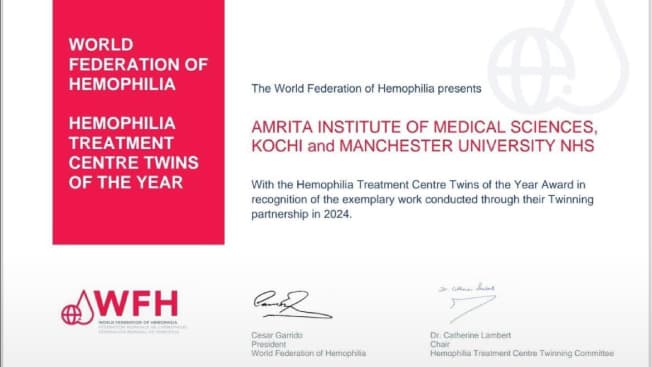
The WFH Haemophilia Treatment Centre Twinning Programme between emerging haemophilia treatment centre (Amrita Hospital, Kochi) with well-established and experienced centre( Manchester Infirmary) MOU signed
Specialty Clinics
A thrombosis clinic, staffed by faculty and equipped with integrated pathology support, operates twice a week.
The clinic provides treatment and follow-up for patients with thrombosis.
This multidisciplinary clinic is part of Haematology and is conducted once weekly. The clinic has haematologists, haematopathologists, orthopaedician, physiatrists, physiotherapists, medical social workers, haemophilia nurses and clinical pharmacist. It evaluates, as a team, patients planned for complex haemophilia surgeries.
Haemophilia prophylaxis and on demand administration of factors – Done by trained nurses. Factors are provided by the World Federation of Haemophilia.
Patients undergoing or recovering from BMT are seen by a dedicated BMT team, consisting of faculty, a BMT nurse, and a social worker.
Facilities for video consenting and counselling are available as part of the BMT care. The BMT clinic operates three days a week.
Caters to patients from neonatal age group to adolescents with inherited and acquired blood and bone marrow disorders which includes primary immunodeficiency diseases, benign, malignant, autoimmune disorders affecting haematopoietic system. Inherited and acquired cytopenias, thrombophilias and bleeding diathesis are also offered supportive and curative management.
Diagnostic Tests and Procedures
- Cytomorphology
- Flow cytometry
- Cytogenetics
- Molecular diagnostics
- Immunohistochemistry
- Coagulation tests
- Day Care Chemotherapy
- Day Care Blood product Transfusions
- Bone Marrow Examinations
- Lumbar Puncture Examinations
- PICC-line Insertions and Maintenance
- IV Antibiotics, Antivirals, Antifungals administration
- IVIG infusion
Outreach Program
Haemophilia & Thalassemia Clinic in Aluva General Hospital
The Department of Haematology extends its services free of charge on a regular basis to the Haemophilia & Thalassemia Clinic and Transfusion Centre at Aluva General Hospital. Each day, about 8-10 bone marrow examinations are performed under local anaesthesia. Samples are processed in-house and sent to external laboratories for necessary tests. Additionally, patients undergo daily bone marrow examinations under general anaesthesia. Intrathecal administration of chemotherapy is also a daily procedure, all conducted by qualified medical doctors under thorough aseptic precautions.
Haemophilia Camps
We organized Haemophilia Camps for patients in various locations, including Idukki, Cherthala, and Amrita Hospital, Kochi. During these camps, we assessed the health status of individuals, offering patient awareness sessions and counselling to provide comprehensive support.
Treatments
- CAR T Cell therapy
- Bone Marrow Transplantation
- Chemotherapy
- Immunotherapy
- Haemostasis Treatments
- Thrombosis disease
- Transfusions
- Supportive Care
Featured News
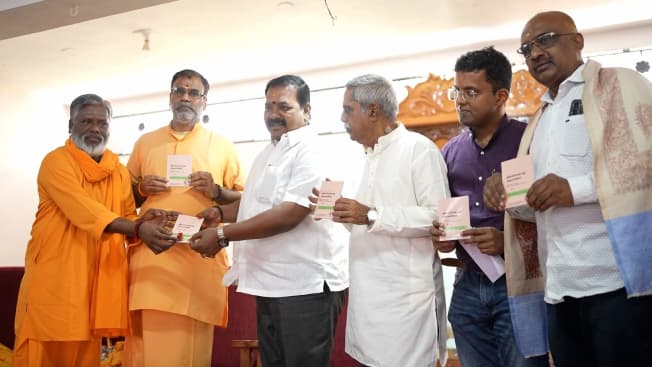
Amrita Hospital Organizes Hemophilia Camp in Madurai
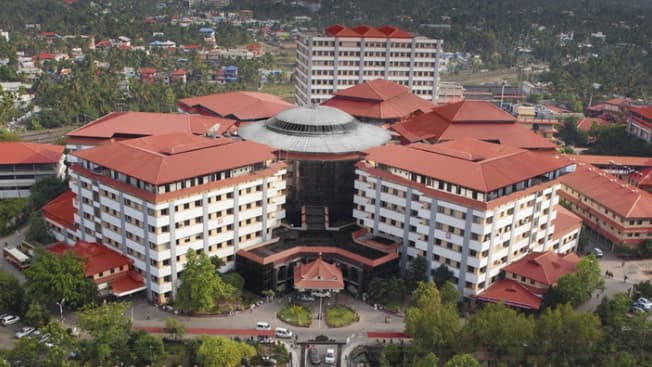
Amrita Hospital receives ₹1.5 crore research grant from Indian Council of Medical Research
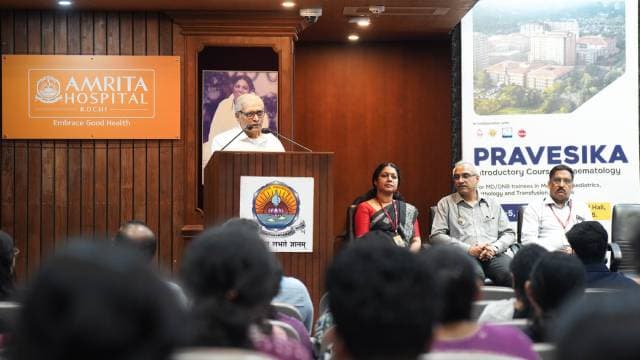
Amrita Hospital, Kochi Organizes Training Class in Clinical Haematology

"Chakravyuh" Haematology Conference Organised at Amrita Hospital.