
Is there a noticeable bulge in your neck? Is your voice hoarse? The severe uneasiness you feel in the throat could be the result of goiter. This is a condition where your thyroid gland is enlarged. There are many factors that make your thyroid swell. It is also linked with hypothyroidism and hyperthyroidism.
There are different types of goiters.
- Simple goiters: It happens when the thyroid gland doesn’t make enough hormones, resulting in the enlargement of the gland.
- Endemic goiters: Also known as colloid goiters, these are caused due to lack of iodine in your diet.
- Sporadic or nontoxic goiters: These can be triggered by certain drugs or medical conditions.
- Multinodular goiters: This happens when lumps called nodules grow in your thyroid.
Symptoms
- Swelling of the front base of the neck
- Croaky voice
- Uneasy feeling in the throat
- Dizziness when you raise your arms
- Swollen neck veins
- Breathing issues and Snoring
- Coughing and difficulty in swallowing
Causes/ Reasons
There are various factors that cause goiter. Iodine deficiency, autoimmune disorders such as Hashimoto’s disease and Grave’s disease, multinodular goiter, and inflammation of the thyroid (Thyroiditis) are some factors responsible for causing goiter.
If you are over 40 or female, you are more likely to get goiter. Pregnancy and menopause are also linked with this medical condition. History of autoimmune diseases and exposure to radiation can make you vulnerable to goiter.
Treatment
If your thyroid hormone levels are normal and the goiter is small, you may not require treatment. However, if hormone levels are too high or too low, you have to seek medical help. Treatment involves getting the thyroid hormone levels back to normal. The condition can be treated with medication, surgery, and radioactive iodine pills.
Consult your doctor for a detailed medical examination and treatment.
HYPERTHYROIDISM
Do you sweat often? Do you lose weight even if your food intake is normal? These can be symptoms of hyperthyroidism. This is a condition where the thyroid gland is overactive and produces too much thyroxin.
Symptoms
- Unintentional weight loss
- Rapid heartbeat (tachycardia)
- Increased sensitivity to heat
- Muscle weakness
- Changes in menstrual patterns
- Sleep difficulty
- High blood pressure
- Increased appetite
- Sweating
- Diarrhea
- Nausea
- Shakiness or hand tremors
- An overheated feeling
- Nervousness
- Goiter
Causes/ Reasons
Several conditions such as Grave’s disease, hyperfunctioning thyroid nodules, and Thyroiditis can cause hyperthyroidism. Over-consumption of iodine, especially through medication, can also lead to this condition.
If you are a female, or if you have a family history of Grave’s disease, you are more likely to get affected by hyperthyroidism. You can also get linked to this condition if you have a personal history of certain chronic illnesses, such as Type 1 diabetes, pernicious anemia, and primary adrenal insufficiency.
Treatment
Hyperthyroidism can be diagnosed through blood tests, ultrasound, thyroid scan, and radioactive iodine uptake test. Depending on the severity, treatment for this condition involves medications such as anti-thyroid drugs, beta-blockers, and radioactive iodine pills. Surgical removal of thyroid glands is also another treatment option, but it involves risks such as damage to vocal cords and parathyroid glands.
Consult your doctor for a detailed medical examination and treatment.
Related Blogs
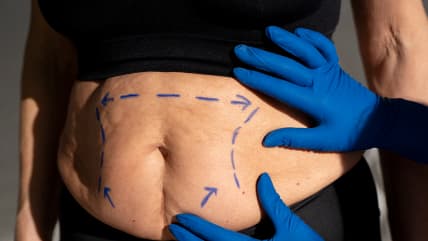
Abdominoplasty
Learn more
Blood
Learn more
Thyroid
Learn more
Autism

Causes of Infertility
Learn more
Kawasaki Disease? A Guide to Diagnosis and Treatment

Multisystem Inflammatory Syndrome In Children