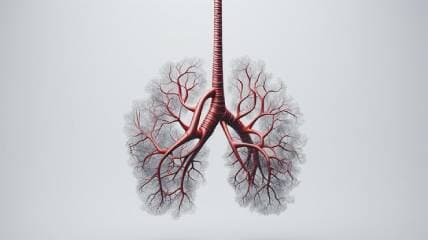
Are you frequently exposed to cigarette smoke, irritating gases, or particulate matter - dust, pollen, soot, smoke, and liquid droplets? Do you experience breathing difficulty, cough, mucus production, and wheezing? If the answers are yes, there is every chance of you being affected by COPD.
It is a lifelong issue in which the airways are blocked due to swelling and inflammation. It can cause irreversible damage to the lungs and worsen difficulty in breathing and obstruction of airways. Chronic bronchitis and emphysema or both are two other conditions that back COPD.
What is COPD (Chronic Obstructive Pulmonary Disease)?
Your lungs can be considered to be a complex system of tiny highways and dead end streets. Air will travel down your windpipe and go through the smaller tubes. It will ultimately reach the millions of microscopic air sacs called alveoli.
It is in these sacs that the oxygen is absorbed into your blood and carbon dioxide gets released out of your body.
COPD is a condition where your lungs and airways get damaged. That would make it harder for the air to be blown out. If you have COPD, there would be less air travel through your airways. Your airways and the walls thereof will be damaged and suffer inflammation. The airway walls, too, may get thickened, and it may even produce more mucus that can clog the system.
COPD is not a single disease., It is a combination of several lung diseases, all clubbed into one. That is why it is called chronic and obstructive. The condition can make the activities like climbing the stairs and walking difficult.
What are the types of COPD?
There are two major types of COPD that typically affect most of the patients. These include emphysema and chronic bronchitis. Most of the time, both of these conditions occur together.
- Emphysema – This is the condition that causes maximum destruction. The air sacs at the end of your airways get damaged. The walls may begin breaking down or even lose their elasticity. The smaller sacs break into larger ones. That would make it difficult to exchange oxygen and carbon dioxide.
- Chronic bronchitis – This is another unique problem. The tubes that carry air to the lungs or from them get damaged or inflamed. This can result in the production of extra mucus. This will further make air travel difficult, resulting in a chronic cough. When you cough up, it is an indication that your body is trying to get rid of the extra mucus.
Many of the patients who have COPD disease are found to have both these conditions. However, the severity of either of these conditions may vary.
What are the different stages of COPD?
COPD is not a static disease. It is known to progress gradually over time. To track the exact extent of the damage, the doctors use a staging system. That way, the best treatment can be planned for the condition you may have.
The staging is based on FEV1, which stands for "forced expiratory volume in one second". The measure calculates the amount of air you can exhale forcefully per second. The less air expelled means your airways are more obstructive.
Stage 1 – Your FEV1 is at 80% or more at this stage. If you are at this stage, you may not even realise you have COPD. You may notice only occasional shortness of breath or a slight cough.
Stage 2 – Your FEV1 drops to 50 to 79% of the normal value when you progress to this stage. You may be noticeably short of breath at this stage.
Stage 3 – Your FEV1 reach to up to 30 to 49%. At this stage, shortness of breath can become a severe complication. It can affect practically anything you do. Even a slight walk can make you exhausted.
Stage 4 – Your FEV1 may reach the level of 30% at this stage. You will have chronically lower oxygen levels. Your quality of life has been significantly affected.
Please note that the symptoms themselves do not correlate with the stage you are in. You may be classified as stage 3 or even 4, but still have symptoms that are not severe.
What causes COPD?
There can be several reasons that can cause COPD. However, one major concern that can result in severe COPD is exposure to the irritants that cause damage to the lungs and airways. In the developed countries, the primary cause of COPD is smoking.
However, it may be noticed that not everyone who smokes may not get COPD. Genetics may also have a significant role to play in the development of COPD symptoms.
In any case, smoking remains a major cause of COPD. It will depend on how much you smoke and how many years you have been smoking. Pipe and cigar smoking can also increase the risk of developing COPD symptoms.
Another typical reason can be air pollution and passive smoking. Even if you don't smoke yourself, breathing in secondhand smoke regularly or living in an area with poor air quality increases your risk.
Occupational exposure can also result in COPD. People who work around chemical fumes, dust, or vapours have a higher possibility of COPD. Long-term exposure to these workplace hazards can cause lung damage similar to smoking.
Household air pollution caused by burning fuel for cooking and heating is particularly problematic in developing countries. If you rely upon burning wood, coal, or animal dung in poorly ventilated homes, you have a higher risk potential to develop COPD.
What are the Symptoms of COPD?
That should perhaps be the trickiest part of COPD. There are no symptoms that specifically indicate the condition. In fact, most of the symptoms do not appear until your lungs are significantly damaged.
The disease progresses really gradually. That is why you may not realise you have COPD until you reach the moderate stages.
The typical symptoms can include
- Persistent cough – it is generally the first step that most of us detect. The cough due to COPD persists for a longer period. It can also produce a lot of mucus.
- Shortness of breath – This is yet another hallmark symptom of COPD. You may notice it only during physical activities like climbing stairs, exercising, or brisk walking. However, as it progresses, you will see it even at rest.
- Wheezing and whistling – These may be a common occurrences while you breathe if you have COPD.
- Chest tightness – You may describe it as heaviness or pressure on your chest.
- Extreme fatigue – Your body is forced to work harder, and you may feel deeply exhausted almost at all times.
You may witness a few additional symptoms as the disease progresses. These include frequent respiratory infections (your compromised lungs can't fight off colds and flu as effectively), unexplained weight loss (in severe cases), and swelling in your ankles, feet, or legs (which can indicate that your heart is struggling due to your compromised lung function).
Risk Factors & Complications of COPD
Understanding the possible risk factors can help you learn if you should be screened for COPD. Early detection can help you get rid of the possibility of developing chronic COPD.
Primary risk factors
Smoking is the primary risk factor for COPD. Age and occupational exposure can also result in severe COPD symptoms. The cases are generally high after the age of 40. Having Asthma can be another possible risk factor. A history of pulmonary TB with resulting airflow obstruction can also contribute to the risk factor for COPD especially in Indian scenario.
The complications caused by the COPD symptoms can be life threatening. If you have COPD, even the common respiratory diseases like cold, flu and pneumonia can be life-threatening. Your damaged lungs will not be able to handle these diseases effectively.
COPD patients are also highly likely to get heart disease. COPD increases your vulnerability to heart ailments. The reasons behind this are not yet fully understood.
The risk of lung cancer is also highly elevated in the patients with COPD. It can be due to the fact that you have a history of smoking, or maybe because of the extensive lung damage caused by the COPD.
You may also develop pulmonary hypertension or even mental health issues. You may develop the problems like anxiety and depression.
What are the Treatments for COPD?
Let us face the reality. You cannot be sure of COPD completely. By the time you realise it, the disease might have damaged the lungs. You can only take actions and treatments to reduce the damage further. Once your lungs have been damaged, this damage is irreversible.
However, the good news is that COPD is manageable. With the right treatment, you can stop it from progressing further.
Bronchodilators are the most common medications used to treat COPD patients. They relax the muscle around the airways and reduce the blockage. We at Amrita Hospital in Kochi recommend two types of bronchodilatators. The short-acting bronchodilators that provide quick relief (within seconds, lasting 4-6 hours) only in exacerbations and long-acting bronchodilators such as betagonists and antimuscarinic agents that take longer to work but last much longer, typically taken daily to prevent symptoms.
Inhaled corticosteroids are another line of treatment options that can help you manage the symptoms of COPD. These medicines reduce the inflammation in your lungs. They are generally combined with the bronchodilators.
Oxygen therapy is yet another worthy treatment option for managing the severe cases of COPD. The treatment is used if your blood oxygen levels reach below the danger levels. Oxygen can be supplied continuously or only during specific activities.
Vaccines can be yet another powerful line of treatment for COPD symptoms. Make sure to get annual vaccines for flu and pneumonia. They can prevent any infections that can trigger the complications.
In case the patients develop bacterial infection, antibiotics may be prescribed.
It may be noted that lifestyle modifications are extremely essential. Quitting smoking should be the most critical line of defence against the COPD symptoms. Regular physical activity and pulmonary rehabilitation can help you keep your respiratory muscles stronger. Nutrition also plays a major role in helping beat the symptoms of COPD.
In extreme cases where the symptoms do not respond to the medications, surgery may be necessary. Options include removing damaged lung tissue or, in severe cases, lung transplantation.
Conclusion
Experts from Amrita Hospital, Kochi, agree that COPD is a serious condition that can seriously affect the quality of your life seriously. However, it may also be noted that COPD can be managed if it is diagnosed early.
Remember, COPD management is a partnership between you and your healthcare team. Stay informed, ask questions, and don't hesitate to reach out when symptoms change. Your lungs deserve attention and care—give them the respect they need, and they'll help you breathe easier for years to come.
Make sure to get in touch with your healthcare service provider for the early detection and an effective management of the symptoms. That would make sure that you can breathe comfortably – both literally and figuratively!
COPD is a disease that worsens over time. It is treatable but not curable. With effective management of the condition, you can control symptoms and improve the quality of their life.
Consult your doctor at Amrita Hospitals for a detailed medical examination and treatment.
FAQs
What are the first signs of COPD?
The earliest sign may be slightly subtle. It includes a persistent cough that lasts a few weeks and mild shortness of breath. You may begin feeling just a bit uncomfortable.
What is the first-line treatment for COPD?
Quitting smoking is the first line of defence – if you smoke.
Adherence to the prescribed controller inhalers to ease your airways and symptoms.Your healthcare provider will likely also recommend vaccines and a pulmonary rehabilitation program.
What foods should COPD patients avoid?
There are no specific diet restrictions suggested for COPD. However, avoid the foods that can cause bloating and gas. Items such as beans, cruciferous vegetables, and carbonated drinks should be avoided.
Are COPD and Asthma the same?
No. Asthma and COPD are entirely different conditions. It is possible that you have the two conditions simultaneously. Long term Asthma can develop COPD or co exist
Can COPD be cured permanently?
No. Any sort of lung damage is permanent and cannot be reversed. However, a proper management can help you avoid the progress of the disease. Early diagnosis and treatment can be quite effective in treating COPD more effectively.
Related Blogs
Abdominoplasty
Learn more
Blood
Learn more
Thyroid
Learn more
Autism
Causes of Infertility
Learn more
Kawasaki Disease? A Guide to Diagnosis and Treatment
Multisystem Inflammatory Syndrome In Children