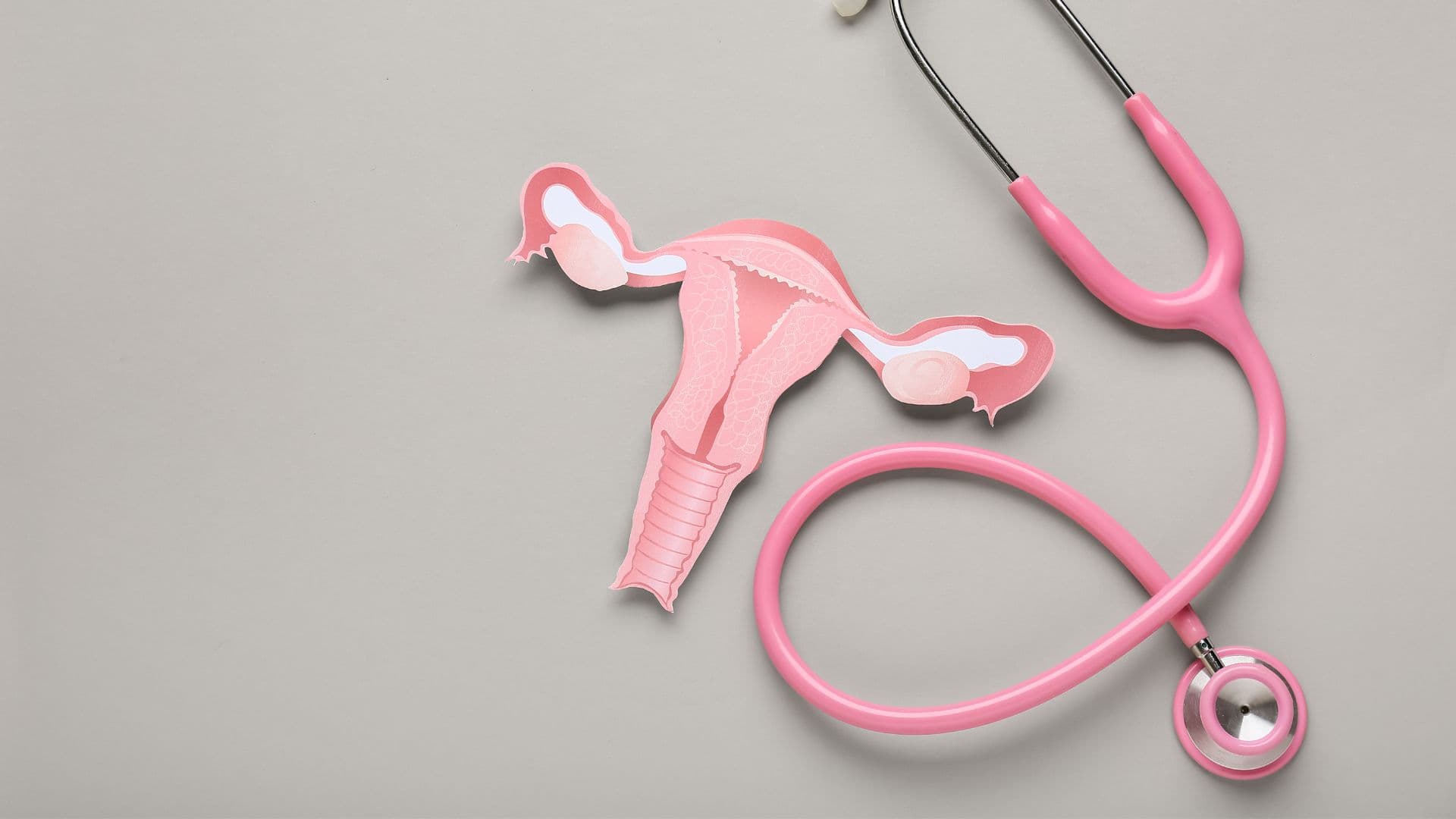
When women hear medical terms about their reproductive health, it can sometimes sound concerning, especially if it’s something unfamiliar. One such term that you might come across during a gynaecological check-up is anteverted uterus, which describes the position of the uterus when it tilts toward the bladder and anterior abdomen.
Far from being a problem, this is actually the most common and normal uterine position. Understanding this simple anatomical variation can help ease unnecessary worries and is a normal finding that it does not affect fertility, sexual function, or overall health.
What is an Anteverted Uterus?
The uterus is a small, pear-shaped organ located in the pelvis, playing a vital role in menstruation, pregnancy, and childbirth.
An anteverted uterus simply means that the uterus tilts forward towards the bladder and lower abdomen. This forward tilt is the natural position for most women.
Now, to understand it better, let’s compare it with another variation:
- Anteverted uterus- tilted forward towards the urinary bladder
- Retroverted uterus- tilted backwards, toward the spine.
Both positions are normal and usually don’t cause health problems. The anteverted uterus, however, is far more common and is considered the standard orientation of the uterus.
In fact, an anteverted uterus has several benefits. The strong ligaments pull the uterus from behind and the sides, causing it to tilt forward and rest on the urinary bladder at an angle, rather than being aligned with the vagina. This natural positioning helps prevent uterine prolapse, a condition commonly seen when the uterus is not anteverted.
How Common is an Anteverted Uterus?
If you’ve been told that you’ve an anteverted uterus, you’re definitely not alone. In fact, this is the most common uterine position among women. Research shows that about 60–80% of women naturally have their uterus tilted forward toward the bladder
This makes an anteverted uterus the standard orientation, not a disorder or medical problem. Just as people differ in height or hair colour, the uterus can have slight variations in positioning. Anteversion simply happens to be the most frequent and completely normal one.
So if you hear the term during a check-up, you can feel reassured; it’s a natural anatomical variation shared by the majority of women worldwide.
Why is it Considered Normal?
The uterus, like other organs in the body, can naturally vary in its position. An anteverted uterus is considered normal because it’s the most common orientation and does not interfere with the body’s natural functions.
- Does not affect fertility – Women with this uterine position can conceive and carry pregnancies normally.
- Does not interfere with menstruation – Period flow and cycles remain unaffected.
- Does not impact sexual function – Most women will not notice any difference during intercourse.
Symptoms and When to Consult a Doctor
For the majority of women out there, an anteverted uterus is asymptomatic, meaning it has no noticeable signs or discomfort. In fact, many only learn about it during a pelvic examination, or an ultrasound for some other reasons.
However in rare cases, some women may experience:
- Mild pelvic pressure or discomfort
- Occasional pain during intercourse
- A sensation of bladder pressure(since the uterus tilts towards the bladder)
It is important to note that these symptoms are uncommon and are often linked to other underlying conditions rather than the anteverted uterus itself.
You should consider consulting a doctor if you experience:
- Persistent pelvic pressure or discomfort
- Unexplained heavy or irregular bleeding
- Difficulty with urination or bowel movements
- Trouble conceiving despite trying for a year or more
An anteverted uterus alone is not a health concern. But if symptoms appear, a gynaecologist can rule out other causes and provide reassurance or treatment if necessary.
Most women live their whole lives with an anteverted uterus without knowing about it, because it doesn’t cause problems or affect their health.
How is an Anteverted Uterus Diagnosed?
Most women don’t even know they have an anteverted uterus until a doctor points it out during a routine check-up. It’s usually found by chance, since it rarely causes symptoms.
Doctors can confirm the position of the uterus in two main ways:
- Physical pelvic exam – During a routine gynaecological exam, a doctor may gently feel the uterus through the abdominal wall and vagina. This helps them determine whether the uterus tilts forward (anteverted) or backwards (retroverted).
- Ultrasound imaging – If more clarity is needed, an ultrasound provides a clear picture of the uterus. This can be done in two ways:
- Transabdominal ultrasound – where a probe is placed on the abdomen.
- Transvaginal ultrasound – where a probe is gently inserted into the vagina for a closer view of the pelvic organs.
Most importantly, diagnosis isn’t something to worry about; it’s simply a descriptive observation of your anatomy, not a disease or problem.
Possible Changes in Uterine Position
Although an anteverted uterus is the most common position, the orientation of the uterus isn’t fixed for life. It can naturally shift due to certain events or conditions in a woman’s life.
Some common factors that may change uterine position include:
- Pregnancy- As the uterus expands to support a growing baby, its angle and tilt may temporarily change.
- Surgery- procedures such as a C-section or pelvic surgery can alter the way the uterus is positioned.
- Fibroids or pelvic conditions- Growths like fibroids or other pelvic issues may push the uterus slightly forward, backwards, or to the side.
There are also variants of uterine positioning that may be observed, such as an anteverted retroflexed uterus, where the uterus tilts but also blends slightly backwards at the same time. These variations are usually harmless and don’t interfere with reproductive health.
In most cases, a change in uterine position doesn’t cause a health problem; it’s simply another normal variation of female anatomy.
Effects on Fertility and Pregnancy
One of the most common questions women have after hearing they have an anteverted uterus is whether it will affect their chances of becoming pregnant. The good news is - it does not.
An anteverted uterus has no impact on infertility or the ability to conceive. Women with this uterine position can:
- Get pregnant naturally
- Carry a healthy pregnancy to term
- Deliver without complications related to uterine tilt
Myth-Buster: Having an anteverted uterus may never even be known about until a doctor mentions it during an examination or scan, because it does not affect their reproductive health or pregnancy outcomes.
Understanding the Normalcy of Anteverted Uterus
An anteverted uterus is not a condition to be worried about; it’s simply a natural and very common anatomical variation. In fact, most women have it and never experience any symptoms or problems. It does not affect fertility, menstruation, or pregnancy, and for the majority, it’s just another normal aspect of the body’s unique design.
So if you’ve been told you have an anteverted uterus, take comfort in knowing that it’s completely healthy and normal. Still, if you experience unusual pain, irregular bleeding, or concerns about reproductive health, it’s always best to seek professional guidance.
Take the Next Step With Expert Care
At Amrita Hospital, Kochi, our Department of Gynaecology provides compassionate, expert-led care for every stage of a woman’s life. Whether you’re seeking clarity about uterine health, planning a pregnancy, or managing gynaecological concerns, our specialists are here to support you with world-class medical expertise and a personalised approach.
Book your consultation today with Amrita Kochi Gynaecology, and take charge of your reproductive health with confidence.
Related Blogs

Abdominoplasty
Learn more
Blood
Learn more
Thyroid
Learn more
Autism

Causes of Infertility
Learn more
Kawasaki Disease? A Guide to Diagnosis and Treatment

Multisystem Inflammatory Syndrome In Children