
Heart Transplantation
Overview
Heart transplantation has emerged as a viable therapeutic strategy for select patients with end-stage heart disease, offering extended survival and improved quality of life. With advancement made in transplant candidate selection, surgical techniques, immunosuppressive regimens, and postoperative care, long-term outcomes after transplantation have improved One year survival averages about 85%-90% and the 12 yrs. survival rate is approximately 50% by the International Society for Heart and Lung Transplantation (ISHLT) registry.
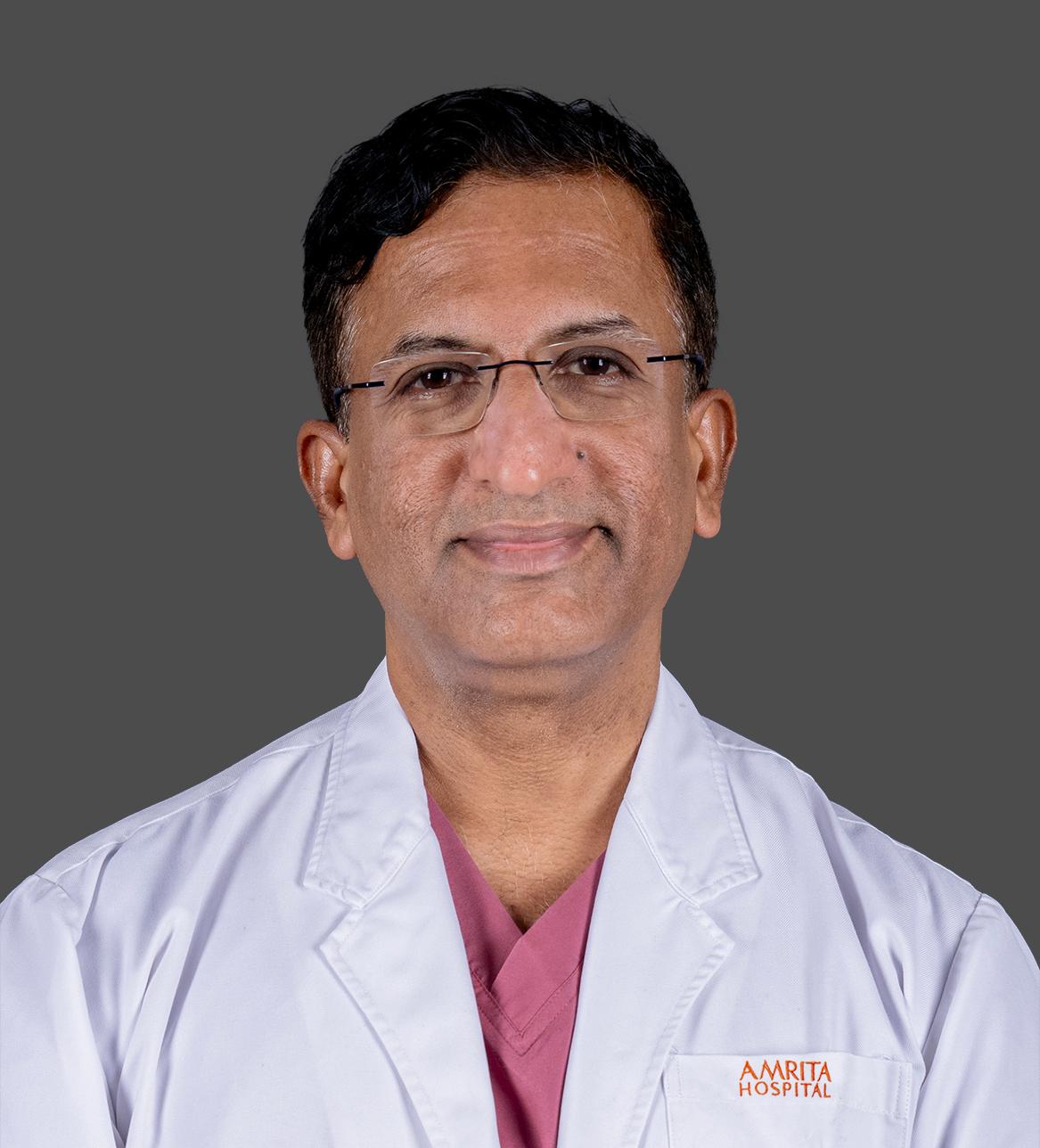
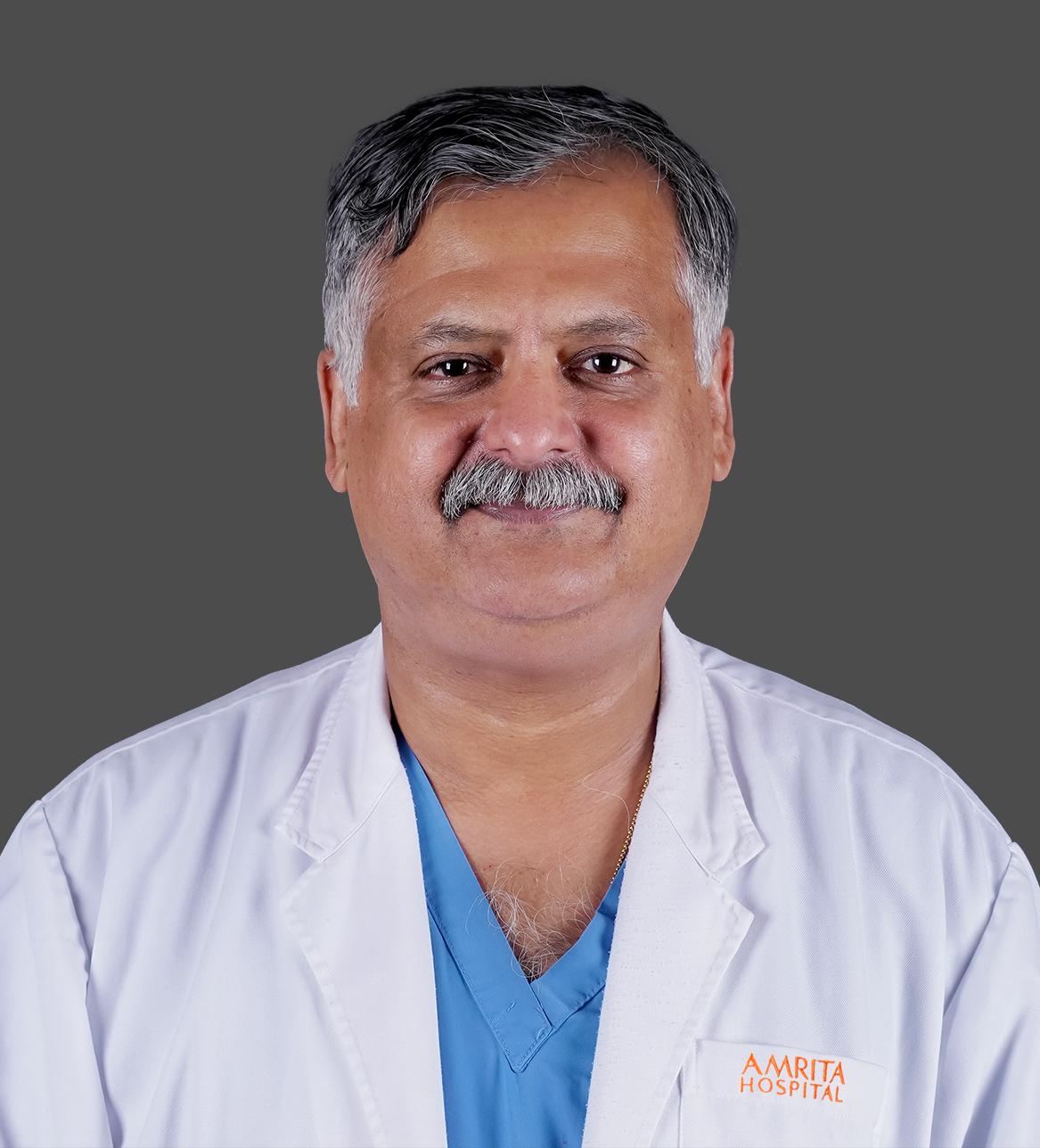
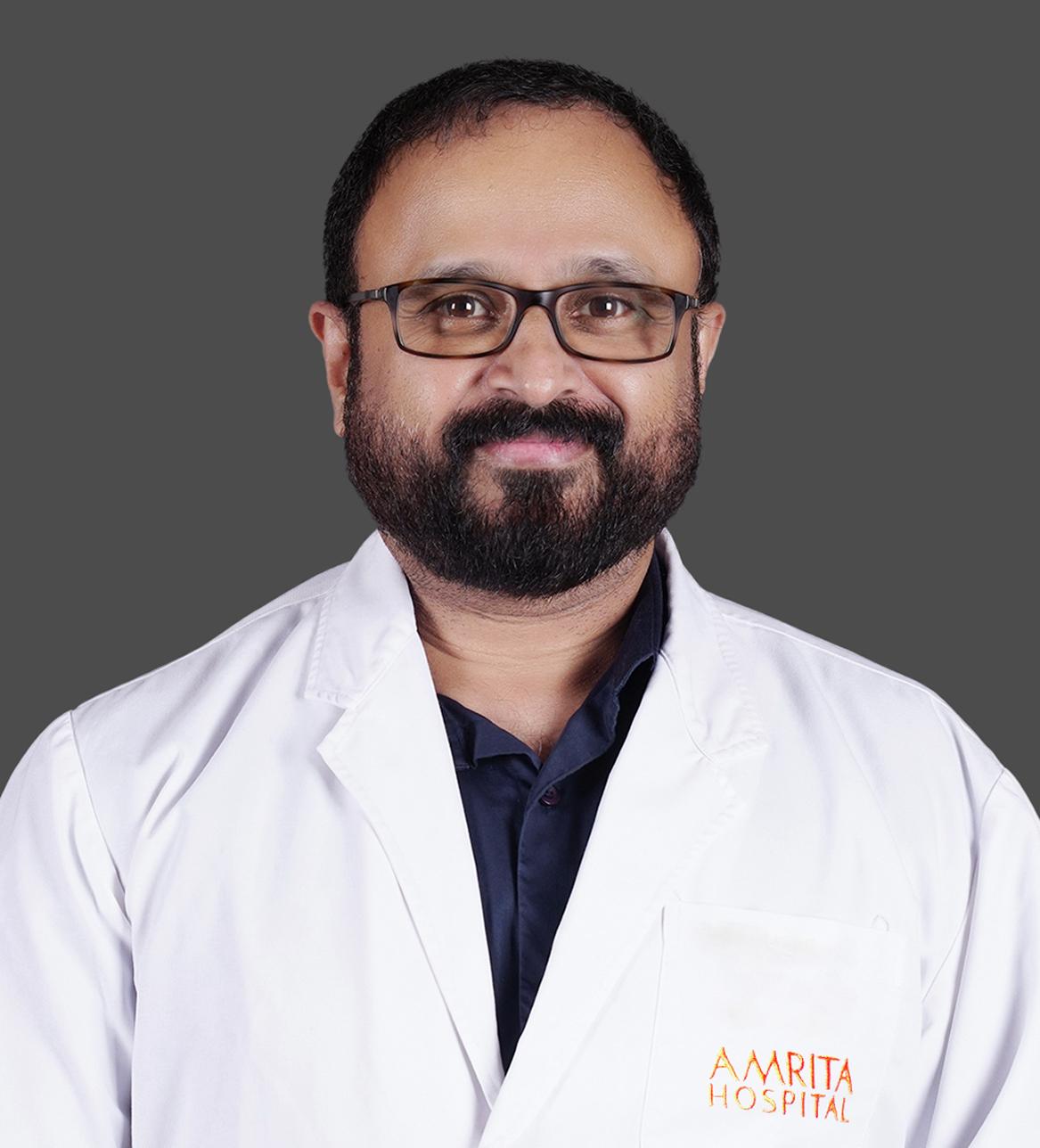
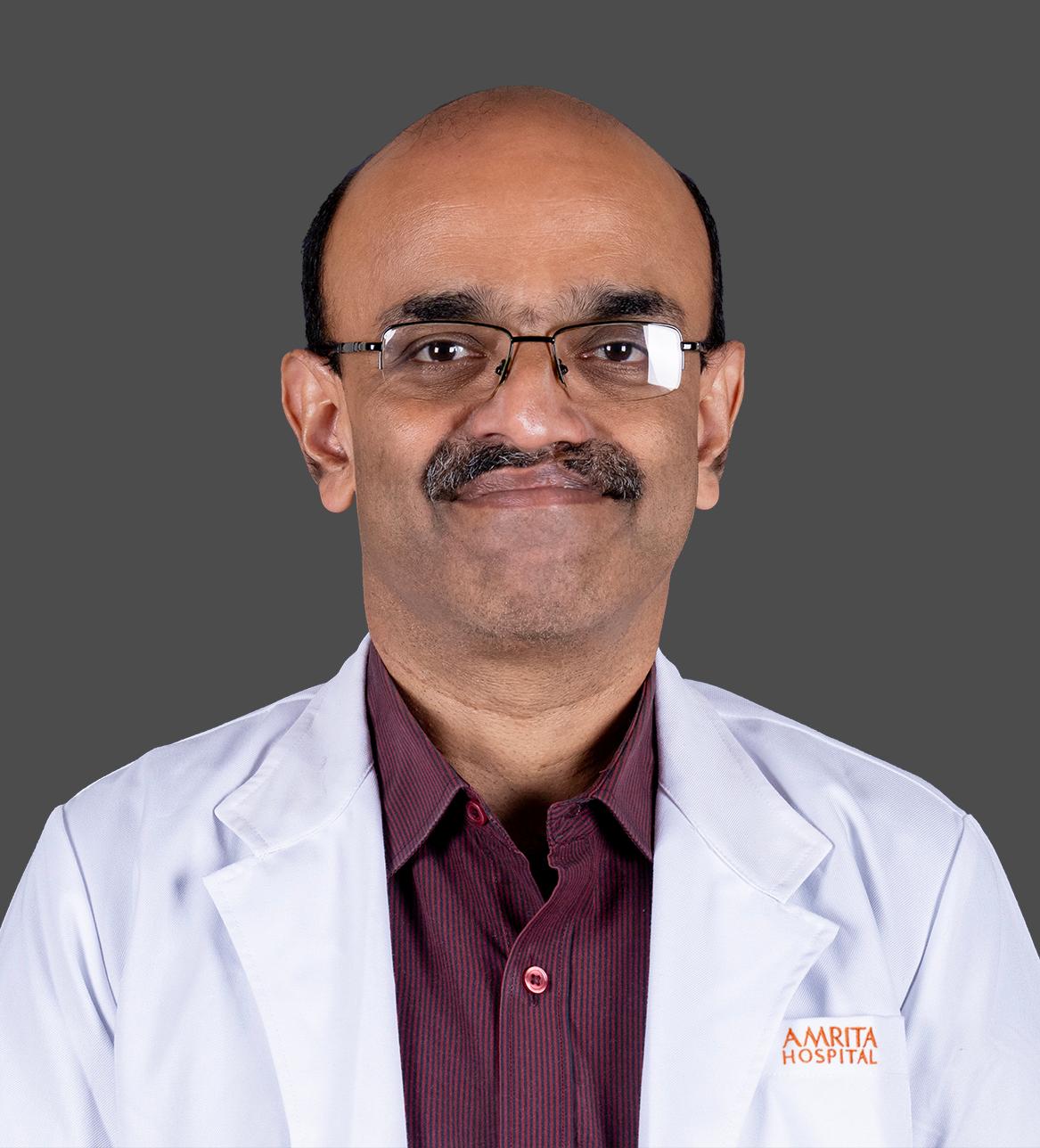
Doctors
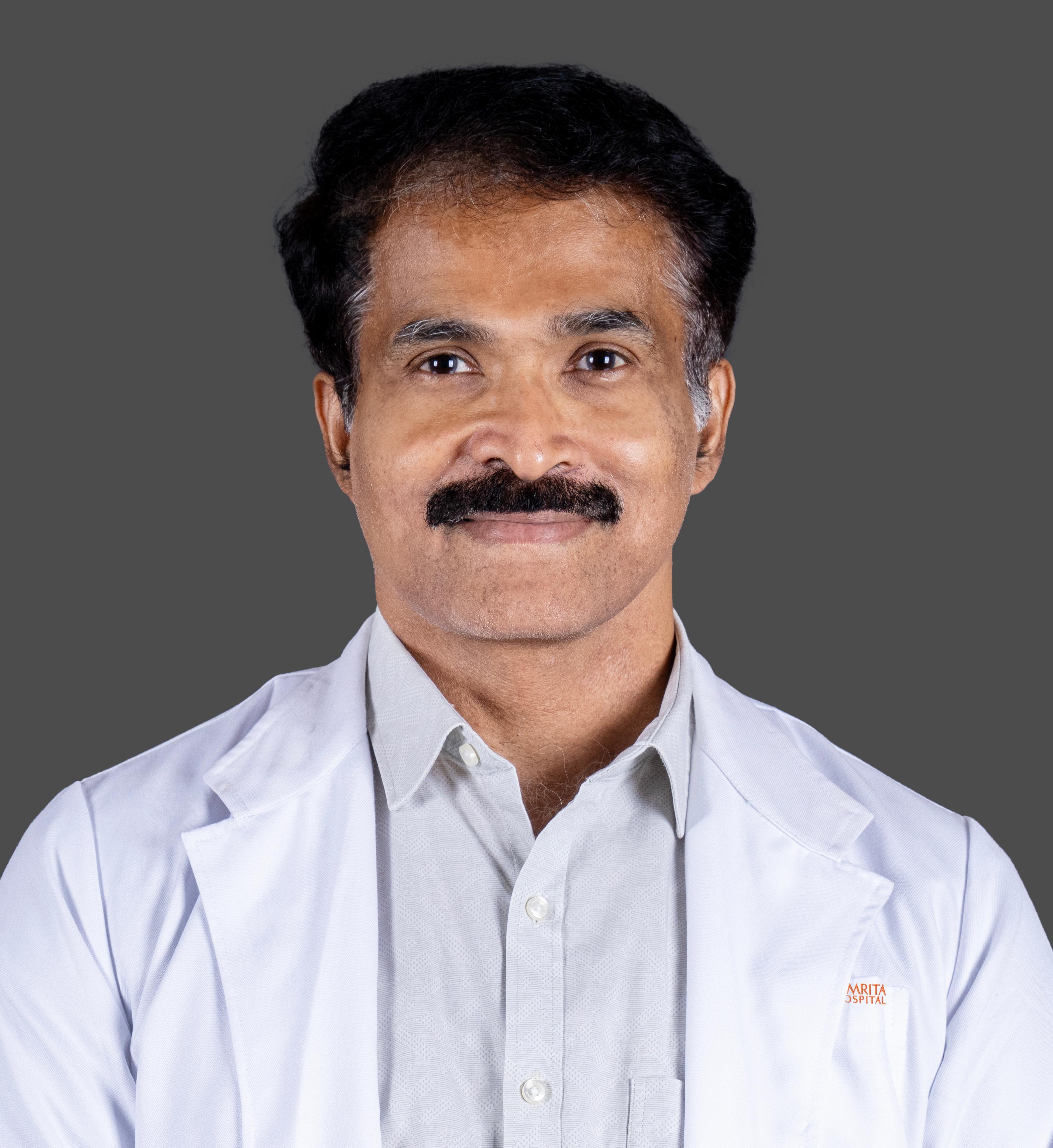
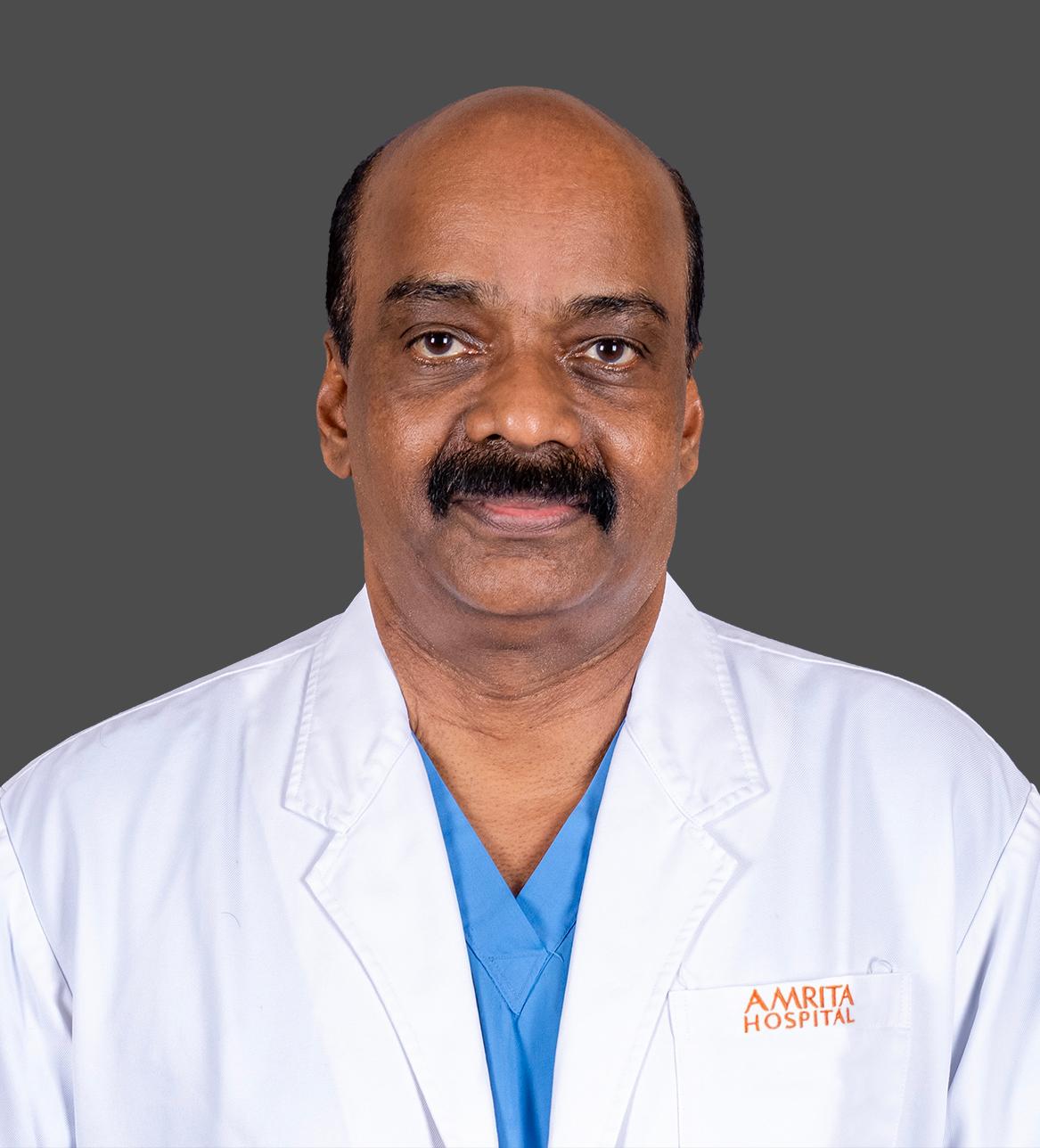
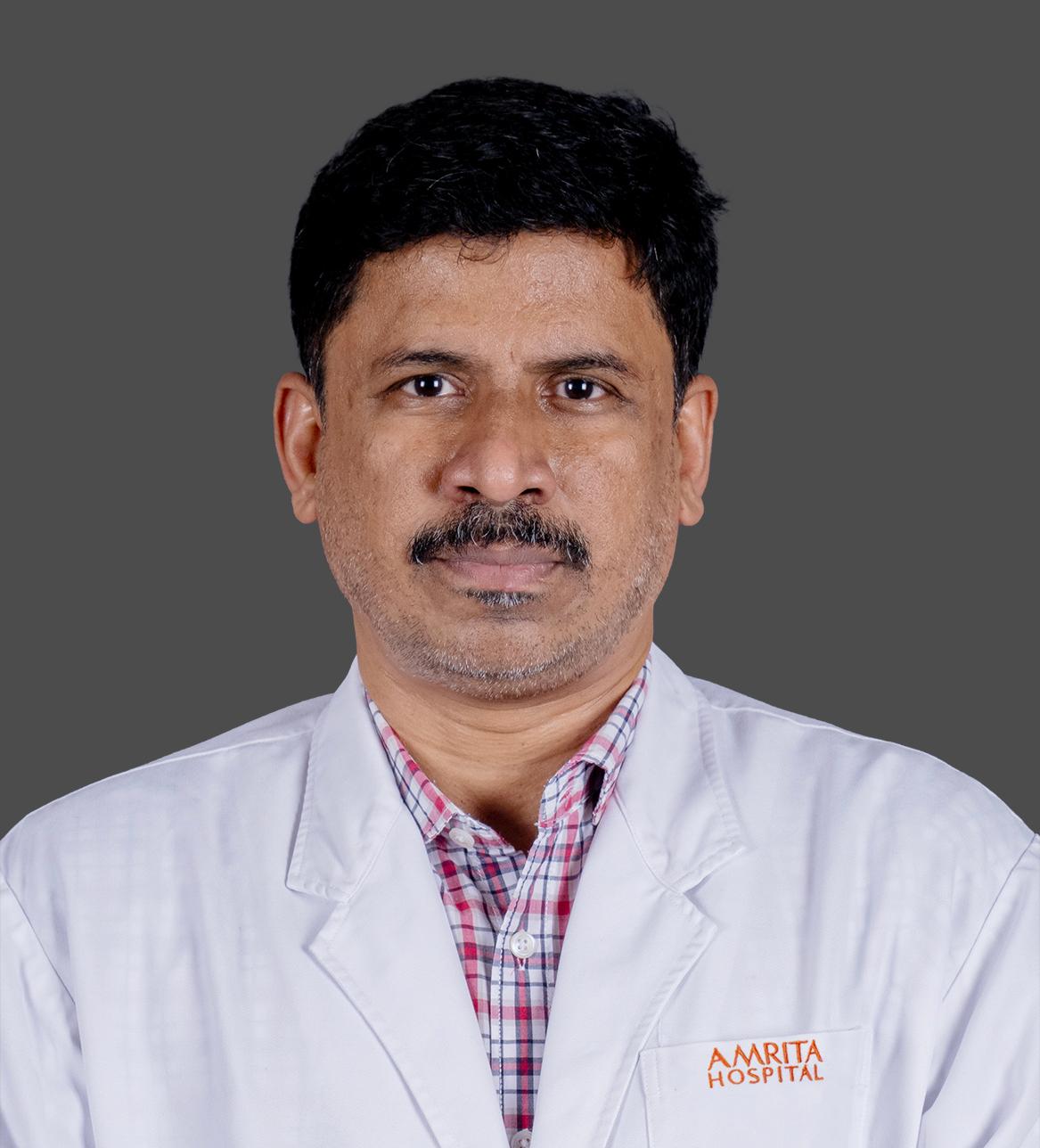
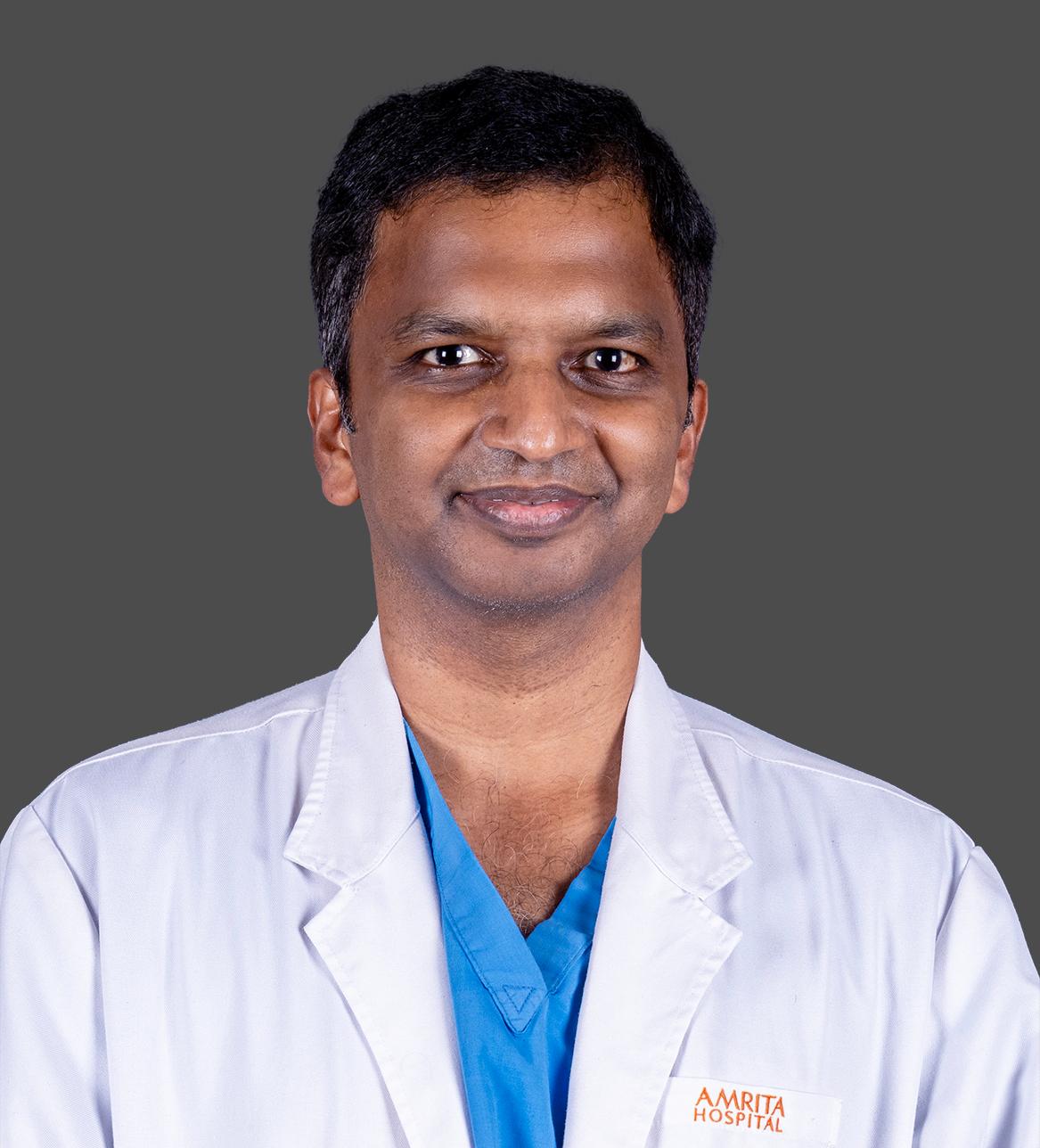
Contact Us
Heart Transplant Co-ordinators
Jinumol Jose, Phone - 9400998022
Vishnu Moni, Phone - 9400998304
Sethu V. Krishnan, Phone - 9400998304
Email: [email protected], [email protected]
Features
Heart Transplant Program at Amrita
- The programme started in January 2015 with our first transplant done on January 05, 2015.
- Total heart transplants done - 8.
- Simultaneous heart and kidney transplant done - 1.
- Comprehensive heart failure clinic.
- Cardiac transplant patients are treated by an integrated multi-disciplinary team comprising off Cardiothoracic surgeons, Cardiologists, Critical Care Specialists, and other Supporting services such as radiology, transfusion services, infectious diseases, microbiology, histopathology, nephrology and dedicated ICU staff.
- Patients are cared for in a well-equipped 3 bedded Transplant ICU managed by specially trained staff.
Indications for Heart Transplant Evaluation Include:
- Ischemic heart disease.
- Hypertrophic heart disease.
- Severe decompensated inoperable valvular heart disease.
- Congenital heart disease.
- Any other cardiac abnormalities that severely limit normal function and/or have a mortality risk of greater than 50 percent at two years.
- Assist Device dependent patients who meet criteria for transplantation.
- Age younger than 60 years (Will consider 60 to 70 years old on case-by-case basis).
- Life-threatening heart rhythm disorders that fail treatment.
- Chest pain refractory to maximum medical and surgical therapy.
Transplant Workup Process
A cardiologist and coordinator will discuss with you and answer any questions you might have. Depending on your medical history, additional physicians visits and tests will be carried out. Most evaluations will include:
- Blood testing
- Heart studies, which may include any or all of the following:
- Echocardiogram
- Electrocardiogram
- Holter monitoring
- Cardiac catheterisation
- Pulmonary function tests
- Urinary system evaluation
- Abdominal ultrasound
- Chest x-ray
- Vascular doppler studies
- Dental exam, including x-ray
- Complete physical exam
You may be discharged from the hospital before all the results are available, and some of the testing may be done as an outpatient.
After the workup process is complete, case will be discussed in the heart team meeting and decision to list in the KNOS (Kerala network for organ sharing) will be taken. Subsequently you will be counselled to relocate to a location close to the hospital.
Specialty Clinics
Heart failure Clinic: 10.00 a.m. to 4.00 p.m.(Every Fridays)
FAQs
Heart transplantation consists of three operations.
- The first operationis harvesting the heart from the donor. The donor is usually an unfortunate person who has suffered irreversible brain injury called "brain death". Very often these are patients who have had major trauma to the head, for example, in an automobile accident. The removed heart is transported on ice to keep it alive until it can be implanted which is optimally less than four hours.
- The second operationis removing the recipient's damaged heart. If there has been previous surgery, cutting through the scar tissue may prolong and complicate removal of the heart.
- The third operationis the implantation of the donor heart. This operation basically involves the creation of only five lines of stitches, or "anastomoses". These suture lines connect the large blood vessels entering and leaving the heart. Remarkably, if there are no complications, most patients who have had a heart transplant are home about one week after the surgery.
Complications
Our immune system attacks transplanted organs. This is what happens when organs are rejected; they are recognized as foreign by the body. Rejection is controlled with powerful "immunosuppressive" medications. If there is not enough immunosuppression the organ can reject acutely. Even when it seems that there is no active rejection, there may be more subtle chronic rejection that consists of growth of tissue, something like scar tissue, which causes blockage of the blood vessels of the heart. The blockage of the vessels is the process that ultimately causes the transplanted heart to fail. It is this chronic rejection that is the major limiting factor for the long-term success of heart transplantation. While immune suppression blocks rejection, because it suppresses the immune system, transplant patients are more susceptible to infection and cancers of various types.
Post-transplant care
Post-transplant care involves:
- Serial biopsy from the transplanted heart
- Monitoring blood levels of immunosuppressant drugs