
Integrative Medicine
Overview
Integrative Medicine provides an evidence-based, medical approach synchronizing Allopathic, Ayurveda, Yoga and Naturopathy under one roof at the Department of Integrative Medicine, Amrita Hospital echoes the statement, "The whole is more than the sum of its parts."
Integrative Medicine conceptualizes a unique blend of different systems to bring the balance of body, mind and spirit creating an ideal living space for an individual for perfect health. It emphasizes the need to look at the whole person, including analysis of physical, nutritional, environmental, emotional, social, spiritual and lifestyle values. It focuses on education and responsibility for personal efforts to achieve balance and wellbeing.
Key features
- Wellness programme
- Life style modification programme
- Preventive health care
- Curative health care
- Integrative management of health disorders
- Health awareness programme for educational institutions, NGOs, corporate companies etc.
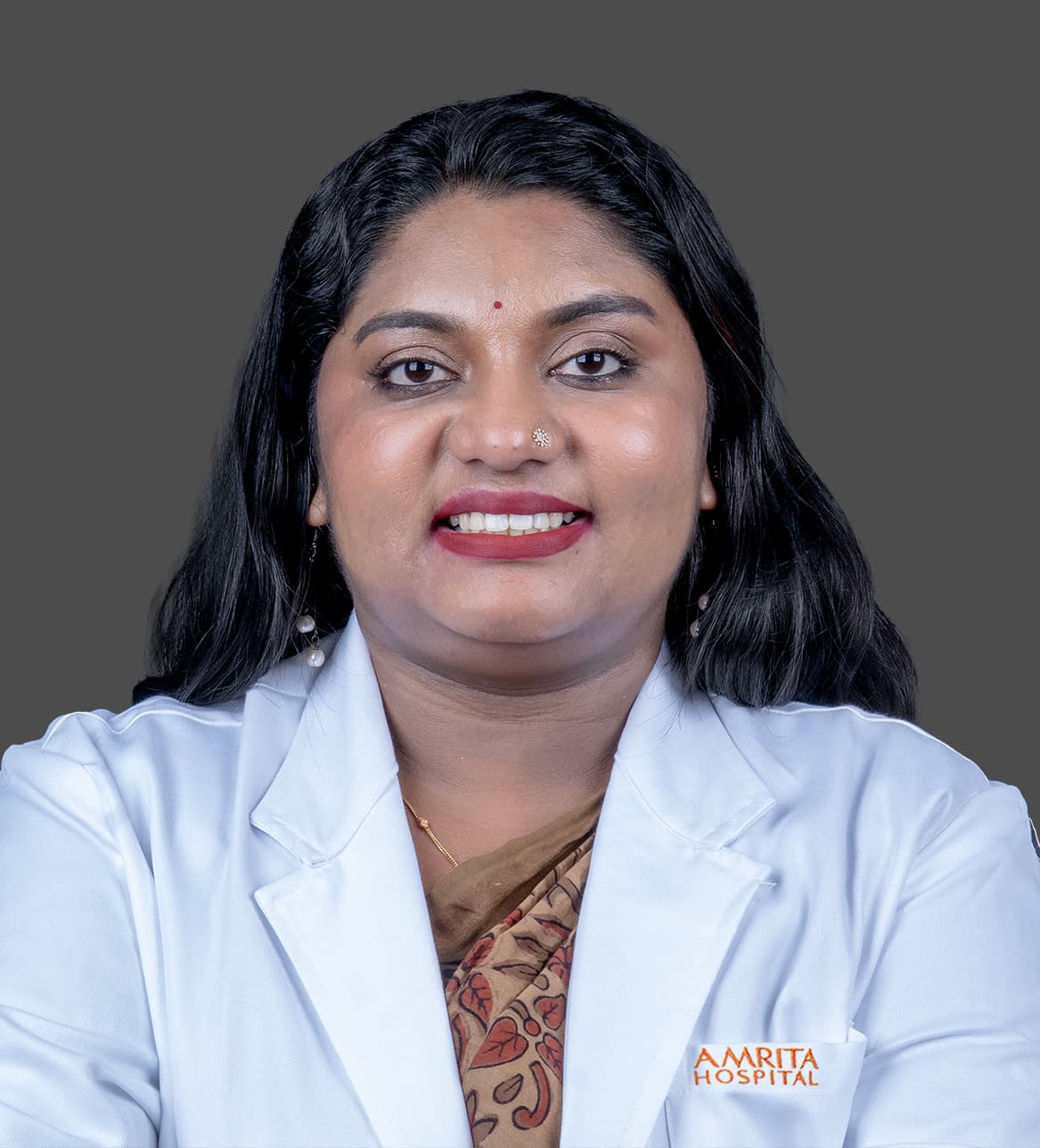
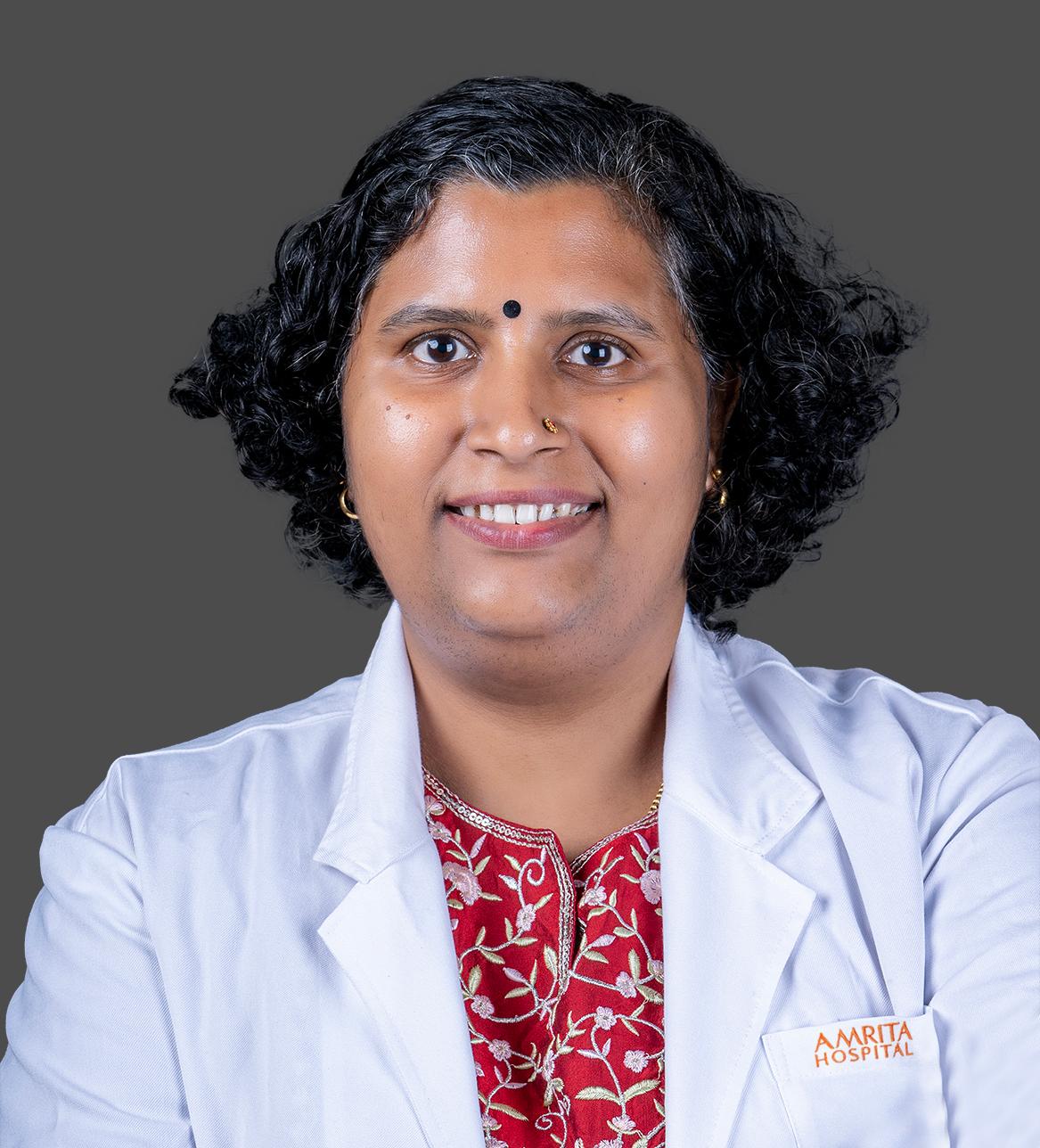
Doctors
Contact Us
Phone: 0484 - 2851234, 0484 – 6681234
Fax: 0484 – 2856035
Ext: OP Reception – 8596, Ayurveda – 8597, Yoga and Naturopathy - 8465
Facilities Available
Sarvanga Abhyangam
- General massage
Sarvanga Swedanam
- Steam bath
Patra Potala Swedam
- Herbal poultice treatment
Podikizhi
- Herbal powder treatment
Njavara kizhi
- Medicated rice poultice treatment
Pizhichil
- Full body oil stream treatment
Shirodhara
- Oil stream treatment on head
Udwarthanam
- Powder massage
Vamanam
- Induced vomiting treatment
Virechanam
- Purgation therapy
Vasthi
- Medicated enema
Nasyam
- Nasal Therapy
Naturopathy
Naturopathy also known as Nature Cure is a subtle as well as simple art and science of pure living with a base belief in nature’s healing effect. It is a non-invasive, and evidence-based system of medicine, imparting treatments with natural elements based on theory of vitality, toxaemia, and self-healing capacity of the body and principles of healthy living.
The therapeutic regimen in Naturopathy is based on the following principles:
- Accumulation of morbid matter
- Abnormal composition of blood and lymph
- Lowered vitality
Nature Cure believes that all the diseases arise due to accumulation of morbid matter or toxins in the body and its removal is the way to provide cure and relief. Nature cure proclaims that this inherent self-constructing and self-healing power of body can be utilized for healing rather than appending the body with external influencing agents like drugs, that will interfere in the body’s healing processes. Correcting the way of life or lifestyle is the primary treatment in Nature Cure. The treatment regimen in Naturopathy is based on the concept of five elements, air, water, heat, mud and space. That is why the treating modality consists of all-natural treatments like Hydrotherapy, Mud therapy, Sun bath etc.
Naturopathy can, thus, be broadly defined as a system where in human beings live in harmony with the principles of nature. These constructive principles are applicable on the physical, mental, emotional and spiritual planes of living. Naturopathy has great health promotive, disease preventive, curative and restorative potential.
Principles of Nature Cure or Naturopathy
- BODY HEALS ITSELF
- THE MAIN CAUSE OF DISEASE IS ENERVATION.
- ACUMULATION OF MORBID MATTERS AND POISONS IN THE BODY CAUSE DISEASE.
- ACUTE DISEASE IS A REMEDIAL PROCESS AND ITSELF A CURE
- GERMS DO NOT CAUSE THE DISEASE BUT ARE PRESENT DURING DISEASE CONDITIONS.
- FOOD IS A BUILDING MATERIAL, IT DOESN'T INCREASE THE VITALITY
- FASTING DOES NOT CURE THE DISEASE, BUT PROVIDE AN ENVIRONMENT FOR HEALING
- EXERCISE OR PHYSICAL ACTIVITIES MAINTAIN THE BALANCE BETWEEN DRAINAGE AND NUTRITION.
- THE EXTERNAL TREATMENT (ALLOPATHY, AYURVEDA, HOMEOPATHY, NATUROPATHY ETC), NO MATTER WHAT THERAPIES THEY ARE, PROVIDES ONLY RELIEF AND NOT CURE
- THE PATIENT'S OWN DESIRE TO GET WELL AND DETERMINATION AND FAITH IN NATURE'S HEALING POWER PLAYS A SIGNIFICANT ROLE IN HEALING THE DISEASE
Naturopathy Treatments (OP only)
- Natural Life Style Modification
- Natural Diet and Wellness Clinics
- Fasting Therapy
- Hydrotherapy
- Mud Therapy
- Weight Reduction Packages
- Detox Packages
Acupuncture
The word Acupuncture is derived from two key words from Latin and English. Acu in Latin Meaning Needle and Puncture meaning Pricking. It is believed to be coined in late 17th Century AD. The technique was originated in the time of Indus Valley Civilization in India during Stone Age, among the Bantus of South Africa, among Eskimos in Brazil.
In India reference of Vedhan or Vydhan indicates that the term “soochee shastra” means acupuncture and “soochee toda” means to prick or insert needle. There are clear indications that acupuncture travelled from India, through Nepal, to China where it was preserved and nourished since ancient times. Traditional Chinese Medicine (TCM) developed this system by conducting scientific researches and introduced in to the modern world with modern needling techniques and has been using this for 2000 years. In China today, even major surgery is often carried out using only acupuncture to kill the pain; it's also used for many other conditions, including insomnia, depression, smoking, and overweight.
How is it done?
Acupuncture is done with very thin hair line width needles made with either silver or copper in varying sizes or t-sun. These needles are pricked in specific acupuncture points in the body. World Health Organization (WHO) published A Proposed Standard International Acupuncture Nomenclature Report in 1991, listing 361 classical acupuncture points organized according to the fourteen meridians, eight extra meridians, 48 extra points, and scalp acupuncture points AND AURICULOTHERAPY POINTS.
The technique needs experience and care and it is noninvasive with no minimal pain.
How does it work?
The mode of action of acupuncture is explained through different theories:
- GATE CONTROL THEORY
- THALAMIC INTEGRATION THEORY
- CORTICAL INHIBITORY SURROUND THEORY
- REFLEX THEORY OF FELIX MANN
- AUTONOMIC THEORY
- ENDORPHIN RELEASE THEORY etc.
Mode of action
- Gate Control Theory of Pain
Introduced in 1965, it explains that acupuncture works through the nervous system to alleviate pain.
The theory states that in the nervous system, there are nerves that both transmit and inhibit pain. These fibres come together in the substantia gelatinosa of the spinal cord. The substantia gelatinosa then sends pain signals to the brain, depending on the amount of pain input.
Acupuncture helps in pain relief by stimulating the pain inhibitory nerve fibres, which lowers the pain input and therefore, relieves the pain.
Thalamic Integration Theory
Since the substantia gelatinosa terminates at the lower level of medulla, it cannot modify the pain impulses arising from the face and head. In 1972, Chang from the Shanghai Institute of Physiology established four gate theory known as Thalamic Integration Theory. The spinal cord, brainstem: cerebral cortex and thalamus are involved in the inhibitory interaction between the different impulses arising from the site of pain and the point of needle insertion.
Acupuncture also has different Objective Effects such as Analgesia, Sedation, Homeostasis, Immune Mechanism etc. Researchers have claimed acupuncture has a definite effect on the metabolic chemistry and electrical activities of brain.
Acupuncture Treatments Available
- Pain Management
- Digestive Disorders
- Respiratory Disorders
- Locomotor Disorders
- Acne, Pimples and Dermatological Disorders
- General Wellbeing & Rejuvenation (etc.)
Yoga
The word yoga is derived from the Sanskrit word “YUJ”, yoga means union of the individual consciousness or soul with the universal consciousness or spirit. Yoga is a 5000-year-old Indian body of knowledge. Yoga is a simple process of reversing the ordinary outward flow of energy and consciousness so that the mind becomes a dynamic centre of direct perception no longer dependent upon the fallible senses but capable of actually experiencing truth.
Yoga is one of the most ancient metaphysical sciences, which investigates the nature of soul and, through its discipline, awakens the super-conscious mind of the man which unites the moral being with the immortal supreme spirit. The real joy of life appears when we can unify nature and culture, wealth and poverty, movement and stillness, attachment and detachment. Yoga can serve both the individual and society. Yoga is neither a sect nor an ideology but a practical training of mind and body. Broadly speaking, it has three main outcomes: it makes us more aware of our natural wisdom, it strengthens the body's ability to recover from illness or injury; it teaches us how to co-operate with others.
In the twenty-first century, yoga is used to develop and maintain physical and mental health. Yoga as a therapy had its first probable mention in Yajnavalkyasamhita, which dates to the second century BCE. More recent hatha yoga texts such as the Hatha Pradipika also mention the various therapeutic benefits of yoga.
The secret of Yoga treats the ailments, not only physical but even the subtle in a holistic way. It focusses on the Panchakosha Level of the body. Hence, it initiates with the balancing of Annamaya Kosha and enumerates the person to indulge in the bliss of Ananadamaya Kosha.
Yoga Treatments
Clinical Yoga; Asana, Pranayama, Dharana and Dhyana for Ailments are being prescribed for both mental and physical ailments.
- Psychiatric and Psychological Disorders
- Physical Culture and Fitness
- Digestive Disorders
- Respiratory Disorders
- Obesity & Weight Reduction clinics
- PCOD & Hormonal dysfunctions
- Pregnancy Yoga Packages
- Relaxation Techniques
- Yoga Kriya & Detox
- Yoga for Learning Disabilities (Dyslexia, Dysgraphia, Dyscalculia etc.)
Services Offered
- Panchakarma therapy
- Rejuvenation programme
- Pregnancy care and post-natal care
- Detoxification programme
- Weight reduction programme
- Karkidaka health care package