
Blood And Marrow Transplantation
Overview
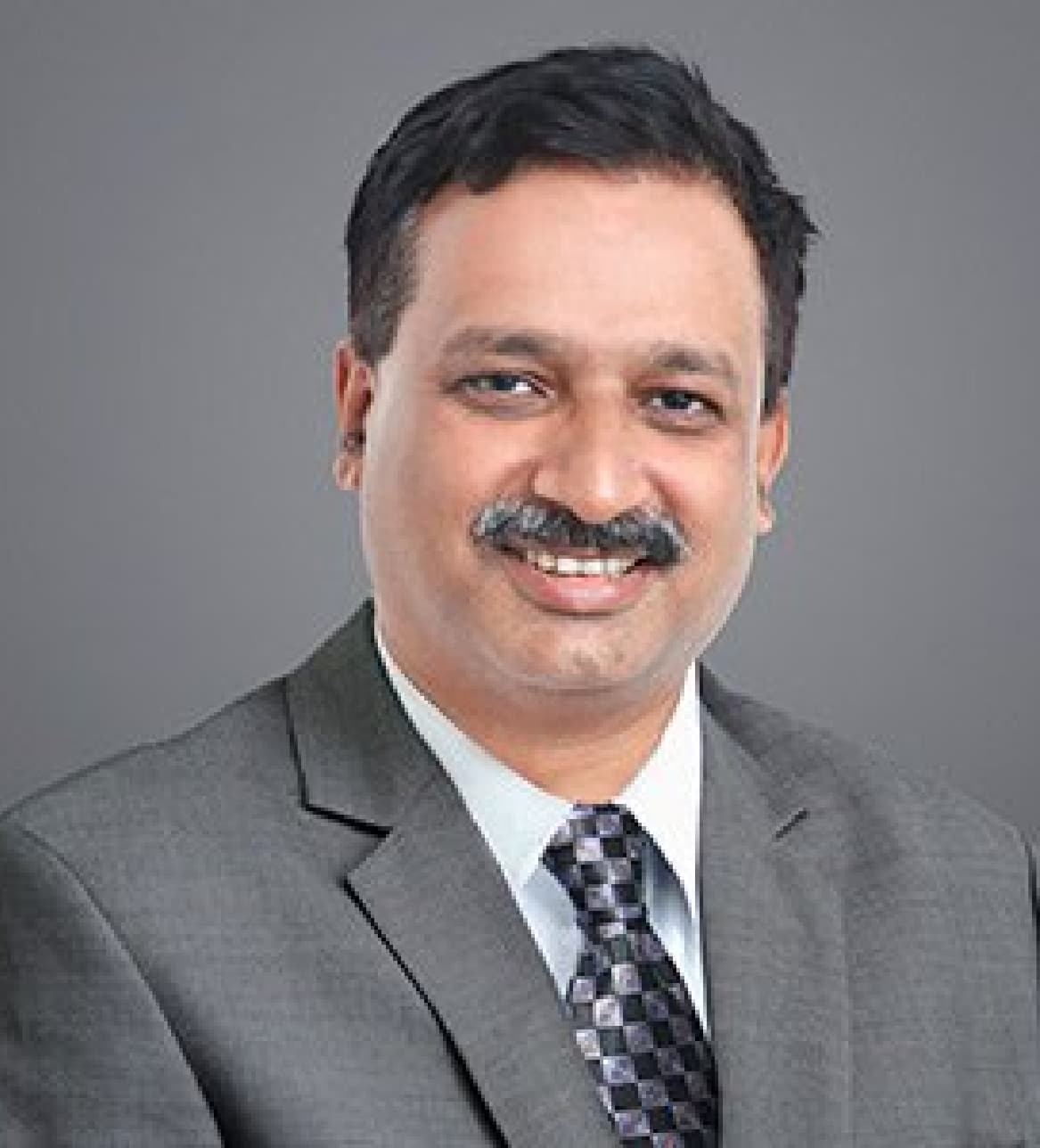
Blood and Marrow (Stem Cell) Transplantation Program at Amrita commenced in January 2013 comprising of both autologous and allogeneic transplants. The facility is 6-bedded and fully HEPA filtered. Dr. Neeraj Sidharthan leads the Blood and Marrow Transplantation Team. The Unit has a full-time nursing staff, duty doctors, Medical Social Worker/Counselor. The team has, so far, performed 142 transplants which includes 74 autologous and 68 allogeneic blood and marrow transplants.
Doctors

Contact Us
Phone: 7034028615
Email: [email protected]
Service
- Performs both pediatric and adult blood and marrow transplants.
- One of the fastest-growing stem cell transplant programs in India.
- We have performed haploidentical and matched unrelated donor transplants, both
of which are first in the State. - Performs unrelated donor apheresis and has also setup an exclusive unit for Stem
Cell Cryopreservation with liquid Nitrogen (N2). - CD34 detection lab facility.
- Registered with Indian Stem Cell Transplant registry and the Asia Pacific Blood and
Marrow Transplantation (APBMT) group. - Unrelated donor search in collaboration with DKMS (the German Bone Marrow
Donor Center) Germany and DATRI. - In-house HLA testing.
- First successful treatment for acute blood cancer (myeloid leukemia) in the country
through a relatively new treatment protocol named ‘Microtransplant’. - First ever Haplo Identical or Half Matched Stem Cell Transplantation in the State.
FAQs
Stem cell transplant can help the body make enough white blood cells, red blood cells or platelets, and reduce the risk of life-threatening infections, anemia and bleeding. Depending on the source of the stem cells, the procedure may be known as:
- Bone marrow transplant
- Peripheral blood stem cell transplant
- Umbilical cord blood transplant.
Also classified as:
- Autologous: when body's own are used for the transplant
- when a donor's stem cells are used
- Syngeneic: is the stem cell transplant from as identical twin.
Stem cell transplants can benefit people with a variety of both malignant (cancerous) and benign (non-cancerous) diseases.
A stem cell transplant may help to treat blood disorders by:
- Killing Malignant cells: Powerful drugs(chemotherapy) with or without radiation therapy to kill the cancer cells.
Healthy stem cells collected from the patient itself or donor are then infused into the body. These new stem cells migrate to the bone marrow and over a course of time produce healthy new cells. The donor cells also are capable of destroying some types of cancer cells. - Help you recover faster from high doses of chemotherapy and radiation: The healthy cells infused in a stem cell transplant may enable the patient to recover faster from chemotherapy and radiation.
Stem cell transplant poses many risks and complications depending on the reason for the transplant, the type of transplant, patient's age and the overall health of the patient.
Complications that can arise with a stem cell transplant include:
- Graft-versus-host disease (allogeneic transplant only)
- Stem cell (graft) failure
- Organ injury
- Infections
- Cataracts
- Infertility
- New cancers or even Death.
Several examinations and diagnostic tests are done to determine if candidates are physically and mentally prepared for the procedure.
Diagnostic tests : Complete medical history and physical examination, routine blood tests, such as complete blood count (CBC) and blood chemistry tests, tests for certain viruses, such as hepatitis, herpes and HIV, bone marrow biopsy, human leukocyte antigen (HLA) typing, electrocardiogram (ECG), echo cardiogram (Echo) or check heart function, chest x-ray and pulmonary function test (PFT) to check lung function.
- Consulting with the healthcare team: Members of the healthcare team teach the person with cancer and the family about the procedure and what to expect. They discuss the risks and benefits of stem cell transplants. They will also arrange:
- Dental care – Bad dental care may cause higher risk during or after a Stem Cell Transplant.
- Nutritional assessment – A dietitian can help make sure the recipient is eating as well as possible.
- Social work assessment – A social worker can help identify social support needs, find available resources and provide support throughout the transplant experience.
- Psychological and emotional evaluation – This assessment determines the person’s strengths and coping strategies.
- Fertility counselling – Infertility can be a side effect of high-dose chemotherapy or radiation therapy.
- The medical team can be called in for the fitness before the procedure.
- Since recipients have been fully informed about all procedures and agree to have a stem cell transplant, they sign a consent form (informed consent).
- Central venous catheter: A central venous catheter (CVC) is a thin, flexible tube. It is placed into the large vein above the heart, usually through a vein in the neck, chest or arm. It is used to take blood samples, give medicines and fluids, give the stem cells.
- Donor preparation: For allogeneic stem cell transplants, the recipient’s transplant doctor identifies potential matches and arranges donor testing.
- Matching: The closest match is an identical twin because identical twins have the same HLAs.
- HLA typing is usually done by a special blood test.
- A match of 6–10 specific antigens is thought to be important.
- A transplant is sometimes done with a match that is slightly less than perfect.
- There is a 1 in 4 (25%) chance that a sibling will be a match.
- The more siblings a person has, the higher the chance of finding a match.
- If a sibling match is not found, parents or extended family members, such as aunts, uncles and cousins, may be tested.
- Parents and children of recipients are unlikely to be perfect matches because they pass on or receive only 3 of the 6 genes needed for a perfect match.
- If a match is not found within the family (often, only brothers and sisters were tested), the search starts for an unrelated donor in the general public, the Bone Marrow Donor Registry like Dhathri (in India) and DKMS (in Germany).
- There is a feasibility of umbilical cord blood transplant where the matched cord blood can be obtained from cord blood registry
- Evaluation : Donors are checked to make sure that they are in good health and physically able to donate stem cells.
- Tests may include: complete history and physical examination of the donor, additional blood and urine tests, electrocardiogram (ECG) and chest x-ray.
- Once donors are informed about the donation process and agree to proceed, they sign a consent form (informed consent).
- When children are matched donors or stem cell donors, a social worker or child-life specialist may be able to help them cope with the medical procedure.
- Harvesting the stem cells: Harvesting is the process of collecting the stem cells and that could be from bone marrow, peripheral blood or umbilical cord blood
- For an autologous transplant, the stem cells are usually harvested when the person is in remission and has recovered from other treatments.
- Occasionally, the stem cells are specially treated to destroy any remaining cancer cells. This process is called purging.
- For some allogeneic and syngeneic transplants, the stem cells may be given to the recipient within several hours of being harvested from the donor.
- In other transplants, stem cells are harvested and mixed with a preservative so that they can be stored by a special freezing process. This is called cryopreservation. This process helps keep stem cells alive until it is time for the transplant.
- Stem cells may be collected from the umbilical cord shortly after a baby is born. They are processed from the cord blood, frozen and stored until they are needed.
- During the stem cell transplant
- Stem cell transplantation involves infusing donor stem cells through a central line into the body after completion of several days of chemotherapy, radiation therapy or both. The infusion usually takes a few hours, and the patient will be awake during the procedure.
- The transplanted stem cells make their way to the bone marrow, where they begin creating new blood cells. It can take a few weeks for new blood cells to be produced and for the patient's blood counts to begin to recover.
- Bone marrow or blood stem cells that have been frozen and thawed contain a preservative that protects the cells. Just before the transplant, the patient may receive medications to reduce the side effects the preservative may cause.
The patient may also likely be given iv fluids (hydration) before and after the transplant to help rid of the body of the preservative. Side effects of the preservative may include headache, nausea, fever, diarrhoea, chills, hives or red urine
Not everyone experiences side effects from the preservative, and for some people these side effects are minimal.
- After the stem cell transplant
In the days and weeks after the stem cell transplant, the patient will have blood tests and other tests to monitor the condition.- Medicines may be require to manage the complications such as nausea and diarrhoea.
- The patient has to be under close medical observation.
- If the patient experience infections or other complications, they may need to remain in the hospital for several days.
- The patient may have to live in close proximity to the hospital in rate to facilitate close monitoring.
- The patient may also need periodic transfusions of red blood cells and platelets until the bone marrow begins producing enough of those cells on its own.
- The patient may be at greater risk of infections or other complications for months to years after the transplant.
The goals of a stem cell transplant include controlling or curing of the blood disorder, extending the life, and improving the quality of life.
The severity of side effects and the success of the transplant vary from person to person and sometimes can be difficult to predict before the transplant. However, it is sometimes helpful to remember that there are many survivors who also experienced some very difficult days during the transplant process but ultimately had successful transplants and have returned to normal activities with a good quality of life.