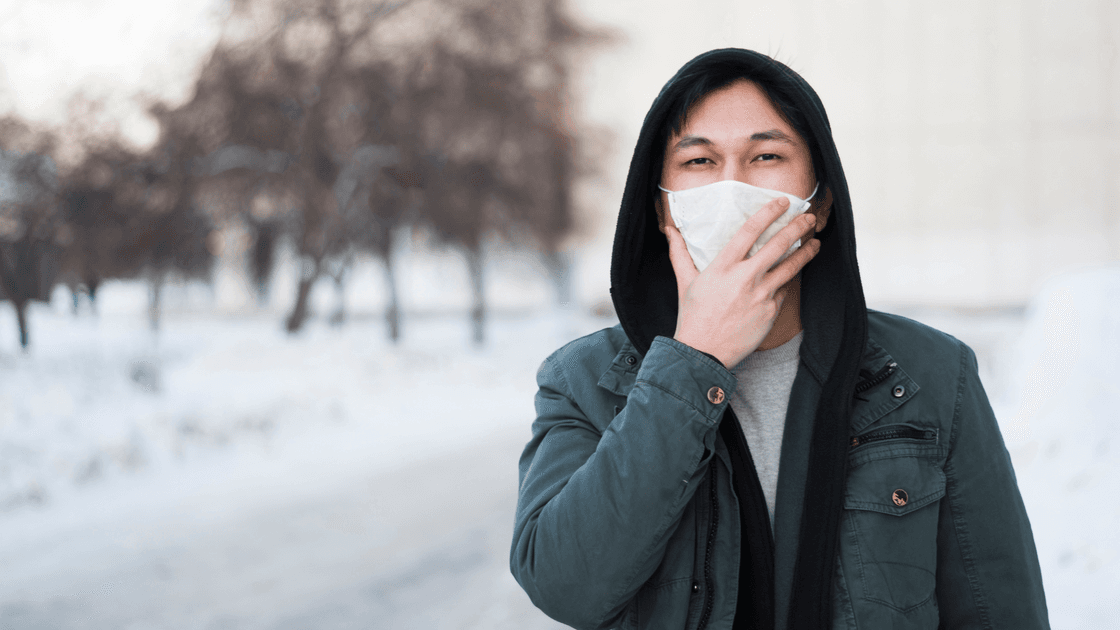
As the winter chill sets in, the crisp morning air may feel refreshing, but it carries a hidden risk to respiratory health. Experts from the Pulmonology team at Amrita Hospital, Faridabad, warn that colder months can exacerbate breathing issues, especially among the elderly, children, and individuals with existing lung conditions. Compounding the concern, deteriorating the Air Quality Index (AQI) levels during winter further heightens the risk of respiratory distress. Therefore, understanding the hazards and adopting simple preventive measures is crucial for safeguarding respiratory health. Even small actions can make a significant difference.
Common Winter Respiratory Concerns
Along with winter comes some unique challenges for the lungs, which might be concerning at times. Among the most frequent problems are:
Asthma and COPD Flare-Ups: The biting cold air can constrict airways, making breathing arduous and triggering sudden asthma attacks.
Bronchitis and Pneumonia: Viruses and bacteria thrive in lower temperatures, increasing the likelihood of lung infections.
Dry and Irritated Airways: Low humidity can parch the throat and airway passages, causing persistent coughing.
Worsening Allergies: Dust mites, mold, and other indoor allergens flourish during winter; aggravating respiratory discomfort.
Identifying these problems at an early stage and taking proper remedies and steps is the initial step towards prevention.
Practical Tips to Keep Your Lungs Healthy
Pulmonologists suggest various effective methods to ensure your lungs are healthy throughout the winter season:
Stay Warm and Protect Your Airways: Cover your nose and mouth with a scarf or mask when going outside. Wearing layers allows your body to adapt comfortably to fluctuations in temperature. Inhaling at an optimal temperature helps minimize the risk of irritation.
Maintain Moist Indoor Air: Dry indoor air can aggravate respiratory passages. Use a humidifier to keep humidity levels between 30 and 50% and avoid excessive heating that can desiccate the air.
Keep Yourself Hydrated: Drink warm beverages like tea and soup that keep mucus thin and facilitate its expulsion. Reducing caffeine and alcohol intake helps prevent dehydration, which in turn supports healthy airways.
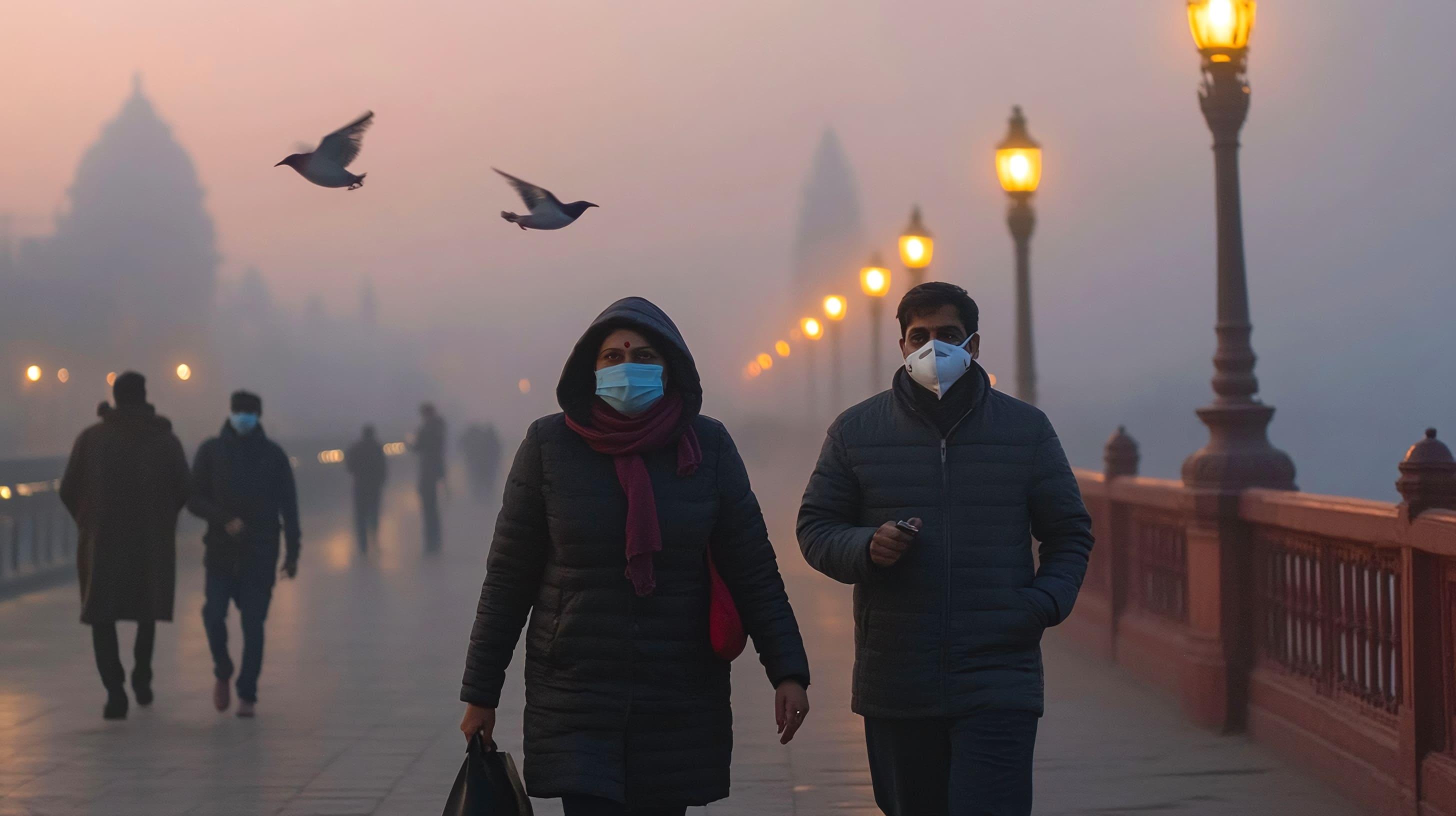
Limit Exposure to Smoke and Pollution: Cigarette smoke, wood stoves, and city pollution are harmful for the lungs. Keep a check on the air quality and try to limit outdoor activities when pollution levels are elevated.
Strengthen Immunity with Nutrition: Following a healthy diet that is rich in vitamins, leafy greens, nuts, and using natural remedies such as ginger, turmeric, and honey can support your immune system, making it easier to fight infections.
Regular Exercise s Workout: Indoor exercises like yoga, treadmill workouts, or stretching are ideal for extreme cold seasons. If exercising outdoors, make sure to wear warm clothes and cover your mouth to protect your lungs from the chilled air.
Regular consultations: Seeking timely medical attention; routine checkups and prompt consultations should never be postponed when symptoms arise, as early intervention can prevent complications and support faster recovery.
Keeping Track of Your Health s Taking Proper Care: Continuous cough, breathlessness, or wheezing should never be ignored. Early intervention prevents complications and ensures swift recovery.
When to Consult a Pulmonologist?
Immediate medical attention is required in cases of:
- Severe shortness of breath
- High fever with chest pain
- Coughing up blood
- Worsening asthma or COPD symptoms
Early guidance from a pulmonologist can prevent serious complications.
Conclusion
Winter does not have to be a time of respiratory discomfort. By maintaining warmth, ensuring indoor air remains humid, nourishing your body, and adhering to strict hygiene practices, you can breathe easily. We at Amrita Hospital, Faridabad, are committed to guiding you through the season with expert care and personalized advice to keep your lungs healthy.
Related Blogs

Debunking 6 common myths about breastfeeding | Breastfeeding Awareness Month 2023

To Give Your Baby a Healthy Start, Don’t Skip on Newborn Screening: What Is It?
Learn more
Understanding Rheumatic Heart Disease
Air Pollution: What you need to know!
Learn more
What should be the approach to management of Localised Clinically Significant Prostate Cancer?
Learn more
What is the Normal level of PSA and who should get a PSA test done?
Learn more
MRI Prostate with PIRADS: Aiding Prostate Cancer Diagnosis
Learn more