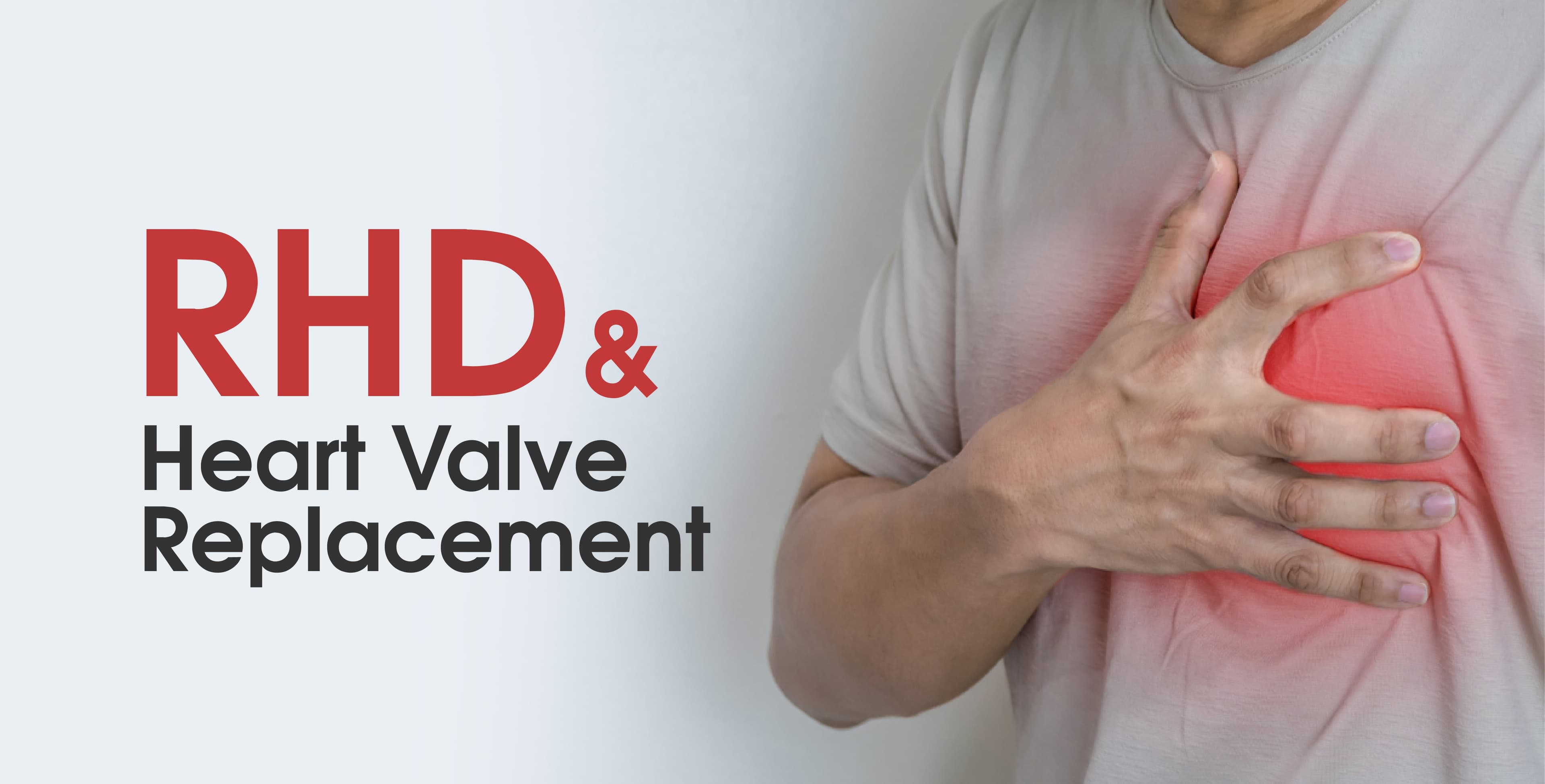
Rheumatic Heart Disease (RHD) is a serious but preventable condition that affects many people in India, especially in rural areas. It is a leading cause of heart problems among children and young adults. Despite medical advances, RHD remains a significant public health challenge, and raising awareness is crucial to combat it.
What is Rheumatic Heart Disease?
Rheumatic Heart Disease is a long-term condition that starts with rheumatic fever, an illness that can develop after an untreated or poorly treated throat infection used caused by a bacteria called Streptococcus.
Rheumatic fever can cause inflammation in various parts of the body, but it is most harmful to the heart. Over time, this inflammation can scar the heart valves, which can lead to valve narrowing or incompetence making it difficult for valves to function properly.
Heart has 4 valves and any of them can be affected but the most commonest affected are the Mitral valve 65-70 % Aortic Valve 20-25 % and the Tricuspid valve 10 % The Pulmonary valve is rarely affected.
RHD in India: A Public Health Challenge
India has a high number of RHD cases approximately 1.5 million, especially in rural areas where healthcare access is limited. The disease mainly affects children and young often during their most productive years. Factors like overcrowding, poor sanitation, and lack of awareness about treating strep throat contribute to the high prevalence of RHD in the country.
Prevalence: RHD affects an estimated 1.5 million people in India.
Mortality Rate: The mortality rate for RHD patients is approximately 4.7% per patient-year.
Demographic Impact: Women are disproportionately affected, comprising about 72% of RHD patients.
Symptoms and Complications
RHD often shows symptoms like shortness of breath, chest pain, fatigue, and palpitations, which can be mistaken for other conditions. As the disease progresses, patients may develop severe complications, including heart failure, stroke, and serious infections of the heart valves. Without timely treatment, RHD can significantly impact quality of life and lead to premature death.
Treatment Options for Rheumatic Heart Disease
Medical Management
In the early stages, treatment focuses on managing symptoms and preventing further heart damage. This includes antibiotics to eliminate any remaining strep infection, anti-inflammatory medications to reduce heart inflammation, and regular check-ups to monitor disease progression.
Surgical Interventions
For advanced RHD, where the heart valves are severely damaged, surgery may be necessary. Valve repair or replacement is often the best way to restore normal heart function and prevent further complications. The choice of procedure depends on the extent of the damage to the valve.
Heart Valve Replacement Options
When it comes to valve replacement, there are two main options: tissue valves and mechanical valves. Each has its pros and cons, which must be carefully considered.
Tissue Valves
Tissue valves are made from animal tissue (usually pigs-porcine or cows-bovine) or donated human heart tissue-homograft.
Advantages
- Patients usually don't need long-term blood-thinning medications.
- Quieter than mechanical valves.
Disadvantages
Less durable and may need to be replaced after 10-20 years, especially in younger patients. More prone to calcification over time, which can lead to valve dysfunction.
Mechanical Valves
Mechanical valves are made from materials like carbon and titanium. They are designed to last a lifetime, making them a good choice for younger patients who might otherwise need multiple valve replacements.
Advantages
- Extremely durable and can last for several decades.
- Highly effective at maintaining normal blood flow.
Disadvantages
- Patients must take blood-thinning medications for life to prevent clots, which can increase the risk of bleeding and require regular blood tests.
- Some patients may be bothered by the clicking sound they produce.
Choosing the Right Valve
The decision between a tissue valve and a mechanical valve depends on factors like the patient's age, lifestyle, risk of bleeding, and personal preferences.
In India, where RHD often affects younger patients, the durability of mechanical valves may be a significant consideration. However, the need for lifelong blood-thinning medication with mechanical valves may be a drawback for some, especially those with limited access to regular healthcare.
Prevention and Public Health Initiatives
Preventing Rheumatic Fever
The best way to prevent RHD is to prevent rheumatic fever by promptly diagnosing and treating streptococcal throat infection with antibiotics. Public health campaigns that educate communities about the importance of treating sore throats and seeking medical care for infection symptoms are essential in reducing the incidence of rheumatic fever and RHD.
Role of Vaccination and School Programs
Research is ongoing into vaccines that could protect against the bacteria causing streptococcal throat infection. School-based health programs that promote hygiene, provide regular health check-ups, and educate children about the risks of untreated sore throats can also play a crucial role in preventing rheumatic fever and RHD.
Rheumatic Heart Disease remains a significant health issue in India, but with increased awareness and better healthcare access, its impact can be reduced. For those already affected by RHD, heart valve replacement—whether with a tissue or mechanical valve—offers a life-saving option that can restore normal heart function and improve quality of life.
Related Blogs

Debunking 6 common myths about breastfeeding | Breastfeeding Awareness Month 2023

To Give Your Baby a Healthy Start, Don’t Skip on Newborn Screening: What Is It?
Learn more
Air Pollution: What you need to know!
Learn more
What should be the approach to management of Localised Clinically Significant Prostate Cancer?
Learn more
What is the Normal level of PSA and who should get a PSA test done?
Learn more
MRI Prostate with PIRADS: Aiding Prostate Cancer Diagnosis
Learn more
What is the significance of BRCA and HRR testing in Ca Prostate?
Learn more