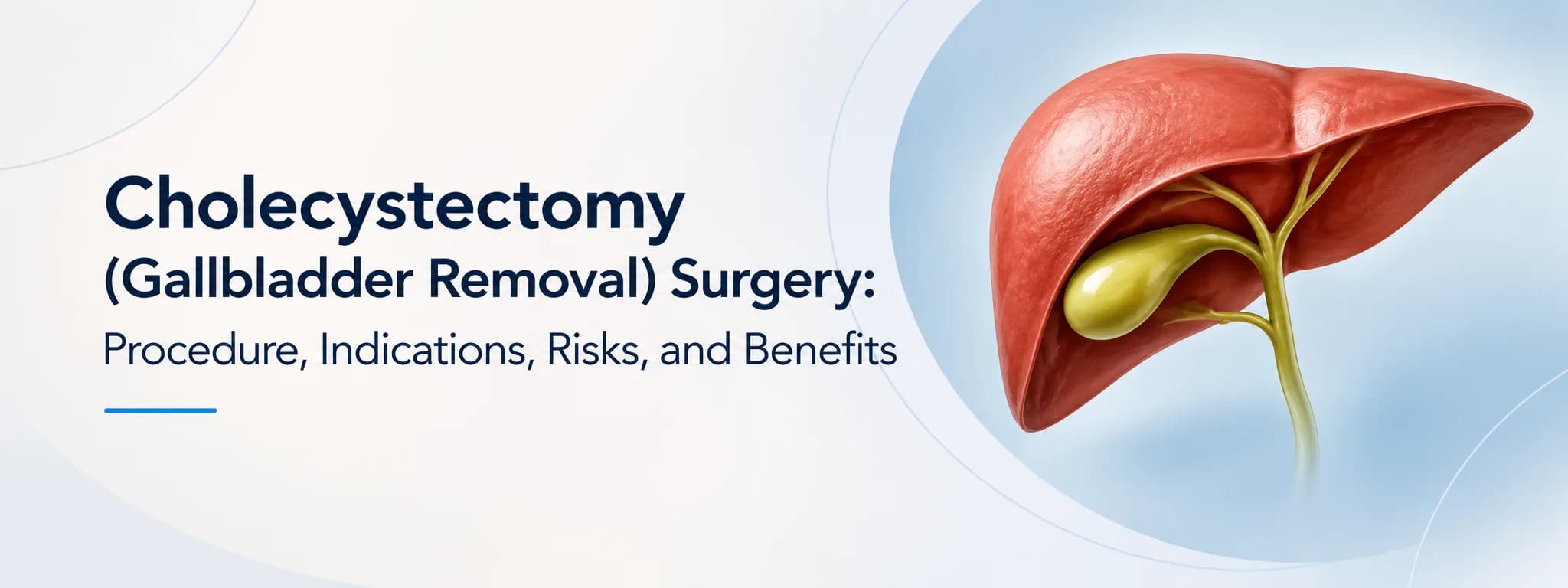
Cholecystectomy is the surgical removal of the gallbladder, a small, pear-shaped organ located beneath the liver in the upper-right side of the abdomen. It is one of the most common abdominal surgeries and is generally associated with a low risk of complications.
Typically performed to treat symptomatic gallstones or gallbladder inflammation, cholecystectomy is usually carried out laparoscopically (keyhole surgery). The procedure can relieve recurrent gallbladder-related symptoms and reduce the risk of further complications from gallstone disease.
In this blog, we discuss what cholecystectomy is, its indications, procedure, risks, benefits, recovery, and life after surgery.
What Is a Cholecystectomy?
Cholecystectomy is a surgical procedure to remove the gallbladder. The gallbladder stores and concentrates bile, a digestive fluid produced by the liver that helps the body digest and absorb fats.
After gallbladder removal, the liver continues to produce bile, but it flows directly through the bile ducts into the small intestine instead of being stored in the gallbladder. Most people can live normally without a gallbladder and eventually return to a regular diet. Some people experience temporary digestive changes while their body adjusts.
Why Is Gallbladder Removal Surgery Performed?
Gallbladder removal is primarily recommended when gallstones or other gallbladder conditions cause symptoms, complications or a significant risk of future problems.
Cholecystectomy is often considered for:
- Symptomatic gallstones: Gallstones causing recurrent abdominal pain or other symptoms are a common indication for surgery.
- Acute cholecystitis: Inflammation of the gallbladder, often caused by a gallstone blocking the cystic duct, can require early surgery.
- Chronic or recurrent cholecystitis: Repeated episodes of gallbladder inflammation can lead to persistent or recurrent symptoms.
- Gallstone-related complications: Gallstones can obstruct the bile ducts and cause problems such as jaundice or infection.
- Gallstone pancreatitis: Gallstones that migrate into the bile duct can trigger inflammation of the pancreas. In mild gallstone pancreatitis, gallbladder removal is generally performed during the same hospital admission once the patient is clinically suitable.
- Common bile duct stones: Stones in the common bile duct may require bile duct clearance through an endoscopic or surgical approach along with treatment of the gallbladder.
- Selected gallbladder polyps: Some polyps require surgical removal based on their size, appearance, symptoms and individual risk factors.
The decision to operate depends on the underlying condition, symptoms, complications, overall health, and surgical fitness.
What Symptoms May Indicate a Gallbladder Problem?
Gallbladder disease does not always cause symptoms, but symptomatic gallstones and inflammation can produce characteristic digestive symptoms. Common symptoms include:
- Pain in the upper-right or upper-middle abdomen
- Abdominal pain that can occur after meals, particularly after fatty meals
- Pain that can radiate towards the back or right shoulder
- Nausea or vomiting
- Indigestion or bloating
- Fever, particularly when inflammation or infection is present
- Jaundice, which can occur when a gallstone obstructs the bile ducts
Severe or persistent abdominal pain, fever, repeated vomiting or jaundice require prompt medical assessment. These symptoms can indicate complications such as acute cholecystitis, bile duct obstruction or infection.
How Are Gallbladder Conditions Diagnosed?
Diagnosis begins with a medical history and physical examination, followed by investigations selected according to the suspected condition.
Medical History and Physical Examination
The doctor will ask about the location, duration, and pattern of abdominal pain, its relationship to meals and associated symptoms such as nausea, vomiting, fever, or jaundice. The abdomen is also examined for tenderness and other signs of disease.
Ultrasound
Abdominal ultrasound is commonly used as the initial imaging test for suspected gallstone disease. It can identify gallstones, gallbladder inflammation, and certain changes in the gallbladder or bile ducts.
Blood Tests
Blood tests can help identify inflammation, infection, or abnormalities involving the liver and bile ducts. Depending on the clinical picture, tests can include a complete blood count and liver function tests.
CT or MRI
CT or MRI may be recommended when additional information is required, particularly when a complication or other abdominal conditions are suspected.
MRCP and Other Investigations
Magnetic resonance cholangiopancreatography (MRCP) is a specialised MRI technique that provides detailed images of the bile ducts and can help identify stones or other abnormalities. Endoscopic ultrasound or other investigations will be considered when the diagnosis remains uncertain.
These investigations help determine whether gallstones are confined to the gallbladder or whether they have caused complications involving the bile ducts, liver or pancreas.
Who Is a Suitable Candidate for Cholecystectomy?
Cholecystectomy is generally considered when the benefits of removing the gallbladder outweigh the risks of surgery. Suitability depends on the disease, symptoms and the patient's overall health.
Doctors consider factors such as:
- The type and severity of gallbladder disease
- Frequency and severity of symptoms
- Previous episodes of cholecystitis or other complications
- Presence of common bile duct stones or gallstone pancreatitis
- Risk of further complications if the gallbladder remains in place
- Overall medical condition and ability to undergo anaesthesia and surgery
- Previous abdominal surgery
- The patient's individual surgical risk
Not everyone with gallstones requires surgery. People with asymptomatic gallstones and no relevant complications are generally managed without immediate gallbladder removal.
In some patients with severe illness or significant medical conditions, surgery may need to be delayed or an alternative treatment considered until they are fit for definitive surgery.
Types of Gallbladder Removal Surgery
There are two main surgical approaches: laparoscopic cholecystectomy and open cholecystectomy.
Laparoscopic Cholecystectomy
Laparoscopic cholecystectomy is the standard approach for most patients who require gallbladder removal. It is performed through several small abdominal incisions using a laparoscope and specialised surgical instruments.
The potential advantages include:
- Smaller incisions
- Less postoperative pain than open surgery
- Shorter hospital stay in many cases
- Faster recovery and return to normal activities
The suitability of laparoscopic surgery depends on the patient's condition and the complexity of the disease.
Open Cholecystectomy
Open cholecystectomy involves removing the gallbladder through a larger abdominal incision. It may be required when laparoscopic surgery is not appropriate or when the surgeon encounters circumstances that make continuing laparoscopically unsafe.
In some cases, a laparoscopic procedure is converted to open surgery because of severe inflammation, bleeding, unclear anatomy, adhesions or other findings encountered during the operation. Conversion is a safety decision rather than a surgical failure.
Cholecystectomy vs. Other Treatment Options
Treatment depends on whether gallstones are causing symptoms or complications and on the patient's overall condition.
For uncomplicated asymptomatic gallstones, immediate treatment is usually unnecessary. Dietary measures can sometimes help reduce symptoms while awaiting treatment, but they do not remove gallstones.
Other approaches may include:
- Symptom management: Dietary adjustments and medicines can sometimes help manage symptoms temporarily.
- Endoscopic treatment: Stones that have entered the common bile duct may be removed using endoscopic retrograde cholangiopancreatography (ERCP), depending on the clinical situation.
- Surgical treatment: Cholecystectomy is the definitive treatment for symptomatic gallstones and several gallstone-related complications.
The appropriate approach depends on the location of the stones, symptoms, complications, and the patient's surgical fitness.
Preparing for Gallbladder Removal Surgery
Preparation helps identify factors that could affect anaesthesia, surgery or recovery. Before the procedure, you may undergo:
- Medical evaluation: Your surgeon reviews your symptoms, diagnosis, medical history and previous operations.
- Diagnostic tests: Blood tests and imaging are performed or reviewed as required.
- Medication review: Tell your doctor about prescription medicines, over-the-counter medicines and supplements. Certain medicines, including blood thinners, may need specific instructions before surgery.
- Management of existing conditions: Conditions such as diabetes, high blood pressure, or heart and lung disease may need to be optimised before surgery.
- Fasting: You will receive specific instructions about when to stop eating and drinking before anaesthesia.
- Anaesthesia assessment: The anaesthesia team evaluates your health and discusses the planned anaesthesia.
- Final pre-operative checks: Consent, investigations and other surgical preparations are completed before the procedure.
Continue your regular medications as advised by your treating team, and follow any specific instructions about medicines before surgery.
How Is Cholecystectomy Performed?
Cholecystectomy is performed under general anaesthesia. The surgical technique differs depending on whether the procedure is laparoscopic or open.
During Surgery
In a laparoscopic cholecystectomy, the surgeon:
- Makes small incisions in the abdomen.
- Inserts a laparoscope and specialised surgical instruments.
- Identifies the gallbladder and the structures connecting it to the bile ducts and blood supply.
- Carefully separates and divides the cystic duct and cystic artery after confirming the relevant anatomy.
- Removes the gallbladder.
- Checks the surgical area for bleeding or bile leakage.
- Removes the instruments and closes the small incisions.
Open surgery follows the same fundamental principle but uses a larger incision to access the gallbladder. The exact technique can vary according to the patient's anatomy, inflammation, previous surgery and findings during the procedure.
Immediately After Surgery
After the operation, you are monitored in a recovery area while the effects of anaesthesia wear off. Pain relief and other medicines are provided as required.
Early movement is encouraged when appropriate to support recovery and reduce the risk of complications associated with prolonged immobility. The surgical team also monitors for bleeding, infection, bile leakage, and other early postoperative problems.
Benefits of Gallbladder Removal Surgery
For people with symptomatic gallbladder disease, cholecystectomy can provide substantial relief and prevent further gallstone-related complications.
The potential benefits include:
- Relief from recurrent gallbladder-related pain: Removing the gallbladder eliminates the source of symptomatic gallstones within the gallbladder.
- Prevention of recurrent gallbladder inflammation: Removing the gallbladder reduces the risk of further episodes of calculous cholecystitis.
- Reduced risk of certain gallstone complications: Definitive treatment reduces the likelihood of recurrent problems arising from gallstones remaining in the gallbladder.
- Improved quality of life: Relief from recurrent pain and other symptoms can improve day-to-day functioning and well-being.
The extent of symptom relief depends on whether the symptoms were actually caused by gallbladder disease. Persistent symptoms after surgery require assessment for other possible causes.
Risks and Possible Complications
Cholecystectomy is a commonly performed procedure, but like any surgery, it carries potential risks. Most patients recover without major complications, but some complications require further treatment.
The following are some of the possible risks:
- Bleeding
- Wound or abdominal infection
- Bile leakage
- Injury to the common bile duct or other bile ducts
- Injury to nearby organs or blood vessels
- Blood clots
- Complications related to general anaesthesia
- Digestive symptoms such as diarrhoea, bloating or indigestion
- Need for additional procedures or surgery in the event of a complication
The risk varies according to the patient's health, the severity of gallbladder disease, previous abdominal surgery and the complexity of the procedure. Severe inflammation can make the operation more technically difficult.
Recovery After Cholecystectomy
Recovery depends on the surgical approach and the individual's health and healing response. Laparoscopic surgery generally allows a faster recovery than open surgery.
Recovery After Laparoscopic Surgery
Many patients undergoing uncomplicated laparoscopic cholecystectomy can go home on the same day or after an overnight stay. Recovery is generally around two weeks, although the time needed to resume specific activities varies.
Recovery After Open Surgery
Open cholecystectomy involves a larger incision and usually requires a longer hospital stay and recovery period. Full recovery can take several weeks, with physical activity increased gradually according to the surgeon's advice.
Pain Management
Mild abdominal pain or discomfort around the incisions is common after surgery. Some people undergoing laparoscopic surgery also experience temporary shoulder discomfort caused by the gas used to inflate the abdomen during the procedure.
Diet and Digestion After Surgery
You may initially find fatty or heavy meals more difficult to tolerate. Smaller meals and a gradual return to your usual diet can help while the digestive system adjusts. Most people eventually return to a normal, balanced diet.
Returning to Work and Daily Activities
The timing depends on the type of surgery, the nature of your work and your recovery. People recovering from laparoscopic surgery generally return to normal activities sooner than those recovering from open surgery.
Returning to Physical Activity
Light activity is usually resumed early, but strenuous exercise and heavy lifting should be avoided until the surgical team confirms that it is safe. Follow your surgeon's instructions rather than using a fixed timeline.
Life After Gallbladder Removal
Gallbladder removal does not prevent the body from producing or using bile. The liver continues to make bile, which now flows directly into the small intestine rather than being stored in the gallbladder.
How Does Digestion Change After Surgery?
Most people eventually digest food normally without a gallbladder. During the initial adjustment period, some people experience diarrhoea, bloating, gas or difficulty tolerating fatty foods. These symptoms are generally temporary.
What Dietary Adjustments May Help?
There is no universal long-term diet required after gallbladder removal. During early recovery, however, it can help to:
- Eat smaller meals rather than large meals.
- Limit very fatty or greasy foods if they trigger symptoms.
- Reintroduce foods gradually.
- Increase fibre gradually rather than making a sudden large increase.
- Maintain adequate fluid intake.
Dietary needs differ between individuals, so persistent symptoms should be discussed with a healthcare professional.
Follow-Up Care
A follow-up appointment allows the surgical team to assess wound healing, recovery and any digestive symptoms. Additional evaluation may be required if symptoms persist or new symptoms develop.
When Should You Seek Medical Attention?
Contact your healthcare team promptly if you develop:
- Fever
- Increasing or severe abdominal pain
- Persistent vomiting
- Jaundice
- Increasing redness, swelling or discharge from the incision
- Difficulty eating or drinking
- Other symptoms that are worsening rather than improving
These symptoms can sometimes indicate infection, bile leakage, bile duct problems or another postoperative complication.
Success Rate and Long-Term Outlook
Cholecystectomy is an effective treatment for appropriately selected patients with symptomatic gallbladder disease. Most people recover well and can live normally without a gallbladder.
The long-term outcome depends on:
- The underlying gallbladder condition
- Whether complications were present before surgery
- Overall health and surgical fitness
- The surgical approach
- Recovery and adherence to postoperative instructions
- Whether symptoms were caused entirely by gallbladder disease
Most people do not require permanent dietary restrictions after recovery. However, persistent abdominal pain, indigestion, diarrhoea, or other symptoms should not automatically be attributed to the absence of a gallbladder. Further evaluation may be needed to identify another digestive or biliary condition.
Gallbladder Removal Surgery at Amrita Hospital, Faridabad
Cholecystectomy is an effective treatment for symptomatic gallstones and several gallbladder-related complications. The choice between laparoscopic and open surgery, as well as the timing of treatment, depends on the underlying condition, overall health and individual surgical assessment.
At Amrita Hospital, Faridabad, gallbladder conditions are managed through its General Surgery and gastrointestinal surgical services, with laparoscopic cholecystectomy available for gallstone disease. We also provide surgical management for conditions involving the bile ducts and other complex gastrointestinal disorders, supported by diagnostic evaluation, pre-operative assessment and post-operative care.
Frequently Asked Questions
When is gallbladder removal surgery recommended?
Cholecystectomy is commonly recommended for symptomatic gallstones and conditions such as acute or recurrent cholecystitis. It can also be required for certain gallstone-related complications, including common bile duct stones and gallstone pancreatitis, or for selected gallbladder polyps.
Is laparoscopic gallbladder surgery painful?
Some pain or discomfort is expected after surgery, particularly around the incision sites. Laparoscopic surgery generally causes less postoperative pain than open surgery, although individual experiences vary.
How long does gallbladder removal surgery take?
The duration varies according to the surgical approach, the patient’s anatomy, and whether inflammation, adhesions, or other complications are present. Your surgeon can provide a more accurate estimate after assessing your condition.
How long does it take to recover after gallbladder removal?
Recovery is generally faster after laparoscopic surgery. Many people resume normal activities within a few weeks, while open surgery usually requires several additional weeks of recovery. The exact timeline depends on the procedure and individual healing.
Can I live normally without a gallbladder?
Yes. The gallbladder stores bile but is not essential for digestion. After removal, the liver continues to produce bile, which flows directly into the small intestine. Most people eventually return to a normal diet and lifestyle.
What foods should I avoid after gallbladder removal?
There is no universal list of foods that must be avoided permanently. During the early recovery period, fatty, greasy, or very large meals can trigger diarrhoea, bloating, or abdominal discomfort in some people. Smaller meals and gradual reintroduction of foods can make the adjustment easier.
Related Blogs

Debunking 6 common myths about breastfeeding | Breastfeeding Awareness Month 2023

To Give Your Baby a Healthy Start, Don’t Skip on Newborn Screening: What Is It?
Learn more
Understanding Rheumatic Heart Disease

Air Pollution: What you need to know!
Learn more
What should be the approach to management of Localised Clinically Significant Prostate Cancer?
Learn more
What is the Normal level of PSA and who should get a PSA test done?
Learn more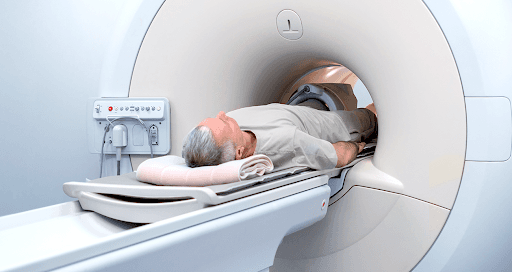
MRI Prostate with PIRADS: Aiding Prostate Cancer Diagnosis
Learn more