
Paediatric Gastroenterology and Hepatology
Overview
Amrita Hospital, Faridabad is the only centre in India to start a comprehensive dedicated Department of Pediatric Gastroenterology and Hepatology being managed by highly skilled team.
It serves as a Centre of Excellence for children from birth to 18 years of age with all disorders of the esophagus, small and large intestine, liver and biliary tract, gallbladder and pancreas. Endoscopy labs facilitate all routine and advanced endoscopic procedures in a safe environment for children.
Diseases Treated
- Hepatitis (Acute and Chronic)
- Biliary Atresia
- Crohn's Disease
- Celiac Disease
- Wilson's Disease
- Hepatic Encephalopathy
- Metabolic Liver Diseases (e.g., Tyrosinemia)
- Mucopolysaccharidosis Type VI (Maroteaux-Lamy Syndrome)
- Pancreatitis (Acute and Chronic)
- Inflammatory Bowel Disease (Ulcerative Colitis, Crohn's Disease)
Doctors

Features
Comprehensive Pediatric Care
The department is dedicated to treating children from birth to 18 years of age with a wide range of gastrointestinal, hepatic, and pancreatic disorders.
Expert Team
Led by Dr. Arti Pawaria and Dr. Mridul Chandra Das, the team consists of formally trained specialists in pediatric hepatology and gastroenterology.
Advanced Endoscopy Labs
State-of-the-art facilities for all routine and advanced endoscopic procedures, ensuring a safe environment specifically designed for children.
Centre of Excellence
Recognized for providing exceptional care and expertise in managing complex pediatric gastroenterology and hepatology cases.
Multidisciplinary Approach
Collaboration with other pediatric subspecialties ensures holistic care for complex cases requiring multiple interventions.
Out Patient Services
- Consultations: Expert consultations for all pediatric gastroenterology and hepatology conditions, providing diagnosis, management, and follow-up care.
- Screening and Early Detection: Regular outpatient services for early detection of gastrointestinal and liver diseases, ensuring timely intervention and management.
- Routine Check-Ups: Ongoing care for children with chronic conditions, including routine monitoring and adjustment of treatment plans.
- Patient Education: Dedicated sessions to educate families about disease management, dietary requirements, and the importance of follow-up care.
- Post-Transplant Follow-Up: Comprehensive outpatient follow-up for post-liver transplant patients, including regular assessments and support for long-term health.
Why Choose Us
- One point referral Centre for the most critical & difficult pediatric cases across the country.
- Disease-specific national registries to generate a national database for research and innovations.
- Robust referral system from the community level to Amrita Hospital for comprehensive management.
What we offer
- Expertise in Rare and Complex Disorders: Specialized care for rare metabolic liver diseases, genetic conditions, and complex gastrointestinal disorders.
- Advanced Diagnostic Services: Comprehensive diagnostic services including liver biopsy, metabolic screening, and endoscopic assessments.
- Training and Education: Continuous training programs, workshops, and seminars for healthcare professionals, enhancing the capacity of peripheral units.
- Family-Centered Care: Emphasis on involving families in the treatment process, providing them with the necessary education and support to care for their child effectively.
- Collaborative Care: Strong referral networks with local hospitals and clinics, ensuring seamless transitions for complex cases requiring advanced treatment.
Service
Our strategic approach to managing peripheral units focuses on the comprehensive handling of various pediatric gastroenterology, hepatology, and liver transplantation diseases. The following steps outline the key strategies and the diseases they address:
- Telemedicine Services
Strategy: Utilize telemedicine for remote diagnosis, follow-up consultations, and guidance for local healthcare providers.
Diseases Addressed: Continuous support for various liver and GI disorders, early-stage liver disease, post-liver transplant follow-up. - Training and Capacity Building
Strategy: Organize continuous training programs, hands-on workshops, seminars, and online courses for local healthcare professionals.
Diseases Addressed: Training on management of diseases like Wilson's disease, Hepatic Encephalopathy, and metabolic liver diseases (e.g., Tyrosinemia). - Collaboration and Referral Systems
Strategy: Establish robust networks with local hospitals and clinics for efficient referral systems for complex cases.
Diseases Addressed: Referral of complex cases such as end-stage liver disease, liver transplantation, severe inflammatory bowel disease. - Resource Allocation
Strategy: Equip peripheral units with essential diagnostic and therapeutic tools, regular supply of medications, diagnostic kits, and maintenance of medical equipment.
Diseases Addressed: Ensuring availability of diagnostic kits for Hepatitis, liver function tests, medications for GI and liver disorders, and support for liver transplant patients.
Our Philosophy
We approach a holistic way to create a Centre of Excellence for Pediatric care.
Academy
- Hand-hold in-training pediatric residents/practicing pediatricians to gain experience and enhance their skills in diagnosing & managing by being visiting faculties in respective medical colleges (on honorary basis/as desired by administration) and with regular student & faculty exchange programs.
- To cater to unmet medical needs of neighbouring South East Asian Region (Bangladesh, Nepal, Sri Lanka, Middle East) & Africa by doing regular outreach OPDs.
- To develop international collaborations for research and continued medical education.
Facilities
Pediatric Liver Diseases
- Pediatric Liver transplant (pre, peri and post transplant)
- Acute Liver failure
- Chronic Liver Failure
- Genetic and Metabolic Liver diseases in children
- Jaundice in children- Biliary atresia surgery etc
Paediatric Gastrointestinal Diseases
- Diagnostic and Therapeutic Endoscopies
- Paediatric Swallowing and Oesophageal Disorders- PEG tube placement
- Gastrointestinal emergencies- GI bleeding, endoscopic foreign body
Paediatric Pancreatic diseases
Pediatric Small Intestinal Transplant
Fellowship Programmes/Trainings
- Nutrition in pediatric clinical practice
Gallery
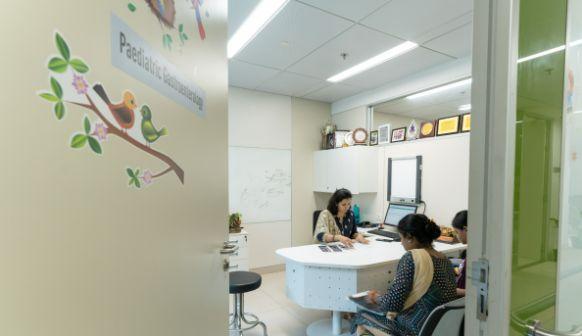
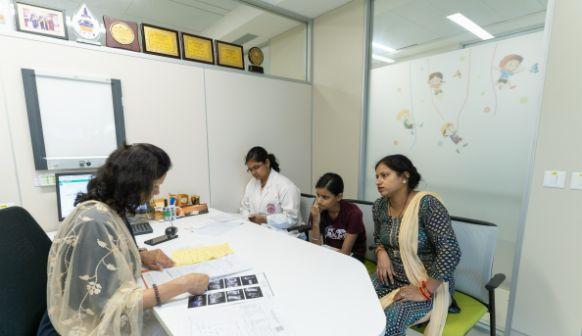
FAQs
A polypectomy is a procedure to remove polyps—small, abnormal growths that can appear on mucous membranes such as those in the colon, stomach, or nasal passages. This procedure is often performed because polyps can be precursors to cancer, especially in the colon. Removing them helps prevent potential cancer development.
If someone ingests a corrosive substance, rinse the mouth with water if the person is conscious and alert, but do not induce vomiting as it can cause further damage. Symptoms include severe pain in the mouth, throat, and stomach, difficulty swallowing, nausea, vomiting, and in severe cases, difficulty breathing.
Preparation depends on the location of the polyp. For colon polyps, you might need to follow a special diet or undergo bowel cleansing. The procedure is generally performed under sedation or anesthesia, with minimal discomfort. Recovery is typically short, with mild discomfort or cramping. Full recovery can take a few days, depending on the procedure’s complexity.
Long-term effects of corrosive ingestion can include scarring of the gastrointestinal tract, chronic pain, and swallowing difficulties, often requiring ongoing medical treatment or surgeries. Prevention includes safely storing corrosive substances out of reach of children and ensuring that all containers are clearly labeled and handled with care.
Constipation can be caused by a low-fiber diet, inadequate fluid intake, sedentary lifestyle, certain medications, and medical conditions such as hypothyroidism. Symptoms include infrequent bowel movements, hard or lumpy stools, and abdominal discomfort. It’s advisable to see a doctor if constipation persists despite lifestyle changes, or if it is accompanied by severe pain, bleeding, or sudden changes in bowel habits.
Constipation can be managed by increasing fiber intake through fruits, vegetables, and whole grains, drinking plenty of water, and engaging in regular exercise. Over-the-counter treatments like fiber supplements, stool softeners, and mild laxatives can also be used, though they should not be relied upon long-term without medical advice.
Metabolic screening is a test used to detect metabolic disorders, often in newborns. Early detection through metabolic screening allows for prompt intervention, which can prevent severe health issues or developmental delays. Conditions commonly screened include phenylketonuria (PKU), cystic fibrosis, and galactosemia.
The screening typically involves a blood test, usually from a heel prick in newborns. If a screening test is positive, further diagnostic testing is necessary to confirm the presence of a disorder. A positive result doesn't necessarily mean that the child has the condition, but it does suggest that additional evaluation is required. Early diagnosis and treatment are crucial for better health outcomes.
While complications from a polypectomy are rare, they can include bleeding, infection, or perforation of the organ where the polyp was removed. Similarly, ingesting corrosive substances can lead to severe complications such as scarring of the esophagus or stomach, chronic pain, and, in severe cases, perforation or infection. Both situations require careful monitoring and follow-up care to manage and mitigate risks.
Follow-up care is essential to ensure that any removed polyps have been fully excised and to monitor for the development of new polyps. In cases of corrosive substance ingestion, follow-up care helps to assess the healing process, manage any complications, and ensure proper nutritional rehabilitation. Regular screenings, tests, and consultations with healthcare providers are critical components of effective follow-up care.
Patient Stories
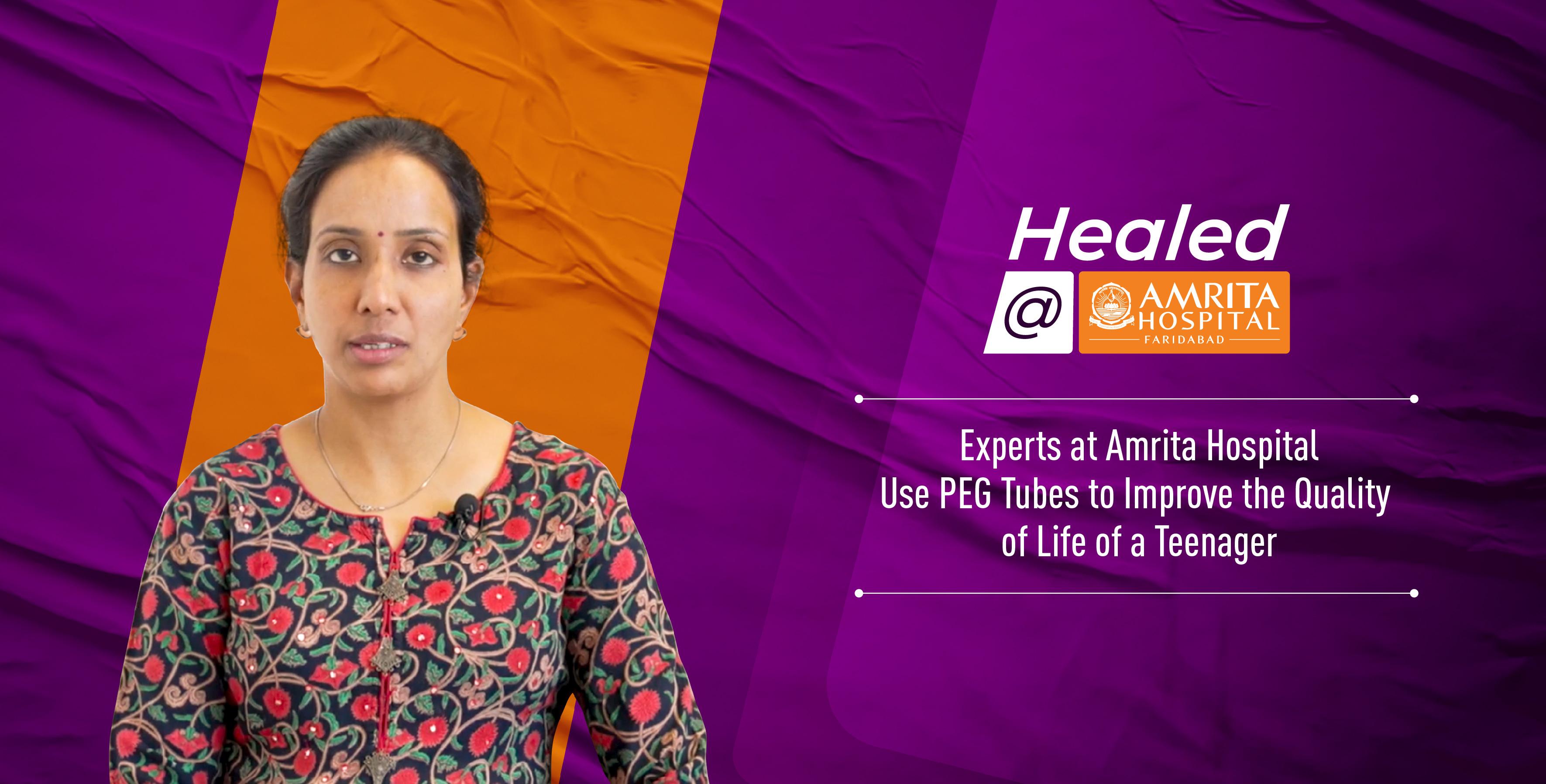
Experts at Amrita Hospital Use PEG Tubes to Improve the Quality of Life of a Teenager
Ms. Nidhi
Diagnostic Tests and Procedures
- Recurrent & Chronic Abdominal Pain
- Diagnosis: GERD, Peptic ulcer disease, H. pylori related gastritis, Giardiasis, Functional abdominal pain.
- Procedure: Upper GI Endoscopy (Duodenal biopsy, Antral biopsy, Esophageal dilatation).
- Malabsorption Syndromes (Failure to Thrive)
- Diagnosis: Celiac Disease, Tropical Sprue, Small intestinal bacterial overgrowth, Intestinal & peritoneal Tuberculosis.
- Procedure: Upper GI Endoscopy (Duodenal biopsy), Colonoscopy, Sigmoidoscopy (Biopsy).
- Diarrhoeal Diseases
- Diagnosis: Persistent diarrhoea, Lactose Intolerance (Primary/Secondary), Inflammatory Bowel Disease (Ulcerative colitis/Crohn disease), Chronic diarrhoea, Congenital diarrhoeas.
- Procedure: Colonoscopy, Sigmoidoscopy (Biopsy, Sclerotherapy), Polypectomy.
- Constipation
- Diagnosis: Functional constipation, Hirschsprung Disease, Slow motility constipation, Pelvic floor dys-synergia.
- Procedure: Colonoscopy, Sigmoidoscopy, GI physiology and motility services (Anorectal manometry).
- Recurrent Vomiting
- Diagnosis: Cyclical vomiting, Malrotation of gut, Pyloric stenosis, Duodenal stenosis/atresia.
- Procedure: Upper GI Endoscopy, PEG Tube Placement, Post Caustic Ingestion Esophageal/Pyloric Stricture Dilatation.
- Accidental Ingestion of Corrosive Injury
- Diagnosis: Management of post caustic injury, Nutritional rehabilitation & preparing for corrective surgery.
- Procedure: Upper GI Endoscopy, Esophageal Stricture Dilatation, PEG Tube Placement, Post Caustic Ingestion Esophageal/Pyloric Stricture Dilatation, Nutritional rehabilitation.
- Gastrointestinal Issues
- Diagnosis: Pain abdomen, Vomiting, Constipation, Swelling of the tummy, Blood in stool or vomiting of blood, Not gaining weight and height, Poor appetite, Collection of water in the abdomen (Ascites), Gastroesophageal reflux (GERD), Acidity, Celiac disease (Gluten allergy), Food allergy, Inflammatory bowel disease.
- Procedure: Upper GI Endoscopy, Colonoscopy, ERCP, Capsule endoscopy, Enteroscopy, Feeding Tube Placement, Polypectomy, Esophageal Stricture Dilatation, GI physiology and motility services (Esophageal manometry, Anorectal manometry, Esophageal Ph metry and Impedance study).
- Liver Transplantation
- Diagnosis: Chronic liver diseases, Jaundice and liver failure.
- Procedure: Liver Biopsy (Percutaneous, Transjugular), TIPSS, Endoscopic variceal ligation, Metabolic screening.
- Jaundice and Liver Failure
- Diagnosis: Acute Viral hepatitis, Acute Liver Failure, Viral Hepatitis A, B, C, E.
- Procedure: Liver Biopsy (Percutaneous, Transjugular), TIPSS, Endoscopic variceal ligation.
- Chronic Liver Diseases
- Diagnosis: Wilson disease, Autoimmune liver disease, Extra-hepatic portal vein obstruction, Metabolic Liver disease, Budd Chiari syndrome, Cryptogenic cirrhosis.
- Procedure: Liver Biopsy (Percutaneous, Transjugular), Endoscopic variceal ligation, Metabolic screening.
- Diseases of Pancreas
- Diagnosis: Acute Pancreatitis, Chronic Pancreatitis, Recurrent Acute Pancreatitis, Annular Pancreas, Pancreatic duct calculi, Pancreatic divisum.
- Procedure: ERCP, Capsule endoscopy, Liver Biopsy, Metabolic screening.
- Neonatal Cholesatasis (Conjugated Hyperbilirubinemia)
- Diagnosis: Biliary Atresia, Choledochal cyst, Idiopathic hepatitis, Galactosemia, Hereditary Fructose Intolerance, Tyrosinemia, Hereditary hemochromatosis, PFIC (Progressive familial Intra-hepatic Cholestasis), Metabolic liver diseases (Mitochondriopathy, Urea cycle defects).
- Procedure: Liver Biopsy, TIPSS, ERCP, Capsule endoscopy, Metabolic screening.
- Storage Diseases
- Diagnosis: Glycogen Storage disease, Lysosomal storage disease, Tay-Sachs disease, Neimann-Pick disease, Gaucher disease.
- Procedure: Liver Biopsy, Metabolic screening.
- Diseases of Gall Bladder
- Diagnosis: Choledochal cyst, Gall stones, Cholecystitis, Choledocholithiasis.
- Procedure: ERCP, Liver Biopsy (Percutaneous), Capsule endoscopy, TIPSS.
Outreach Program
Conducts regular outreach camps in rural and underserved areas for screening, awareness, and consultations.
Diseases Addressed: Liver diseases (e.g., Hepatitis, Biliary Atresia), Gastrointestinal disorders (e.g., Crohn's disease, Celiac disease).
Treatments
- Endoscopic Procedures: Routine and advanced endoscopic interventions, including polypectomy, esophageal dilatation, and foreign body removal.
- Liver Transplantation: Comprehensive care for children requiring liver transplants, including pre-operative evaluation, surgical intervention, and post-operative care.
- Nutritional Management: Tailored nutritional plans for children with chronic liver diseases, malabsorption syndromes, and failure to thrive.
- Plasma Exchange: High-volume plasma exchange for children with acute and chronic liver failure.
- Telemedicine: Remote consultations, diagnosis, and follow-up care for patients in underserved areas, ensuring continuous support.